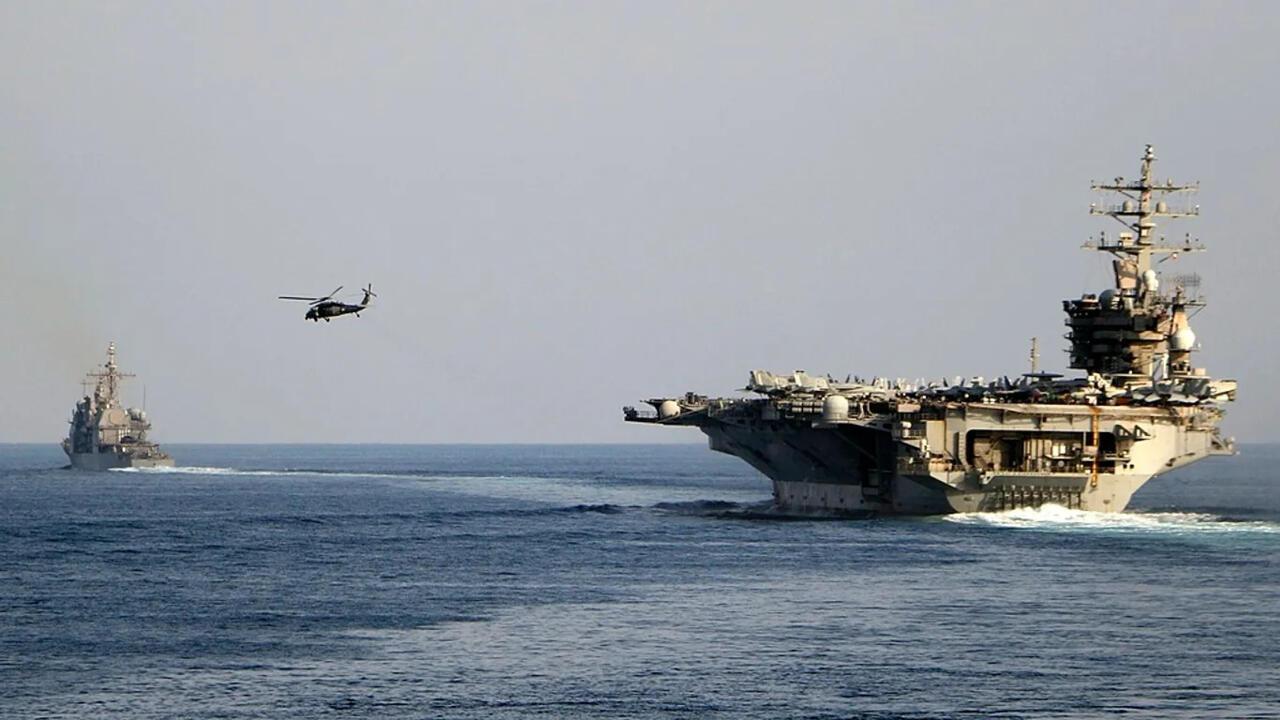
Ayatollah Seyyed Mojtaba Khamenei Orders New Legal Rules for Strait of Hormuz Amid US Blockade
Key Takeaways
- Khamenei declares a new Strait of Hormuz order establishing legal rules for the Gulf.
- IRGC Navy published a new order with designated transit routes and warnings about naval mines.
- Iran vows retaliation and envisions a Gulf future without America.
Hormuz escalates again
Iran’s leadership and military commanders have continued to frame the Strait of Hormuz as entering a “new chapter” of management, while the United States and its allies have refused to lift a naval blockade.
“The clear and strategic message delivered by the Leader of the Islamic Revolution on April 30, 2026, was far more than a political speech: it was the official unveiling of a “New Hormuz Order”—a document that marks a turning point in the contemporary history of regional maritime security”
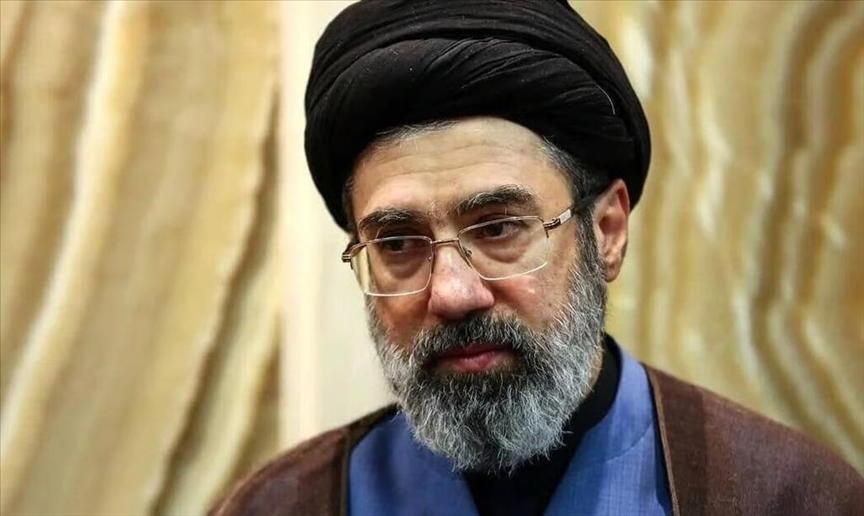
In a message marking a national day in Iran, Ayatollah Seyyed Mojtaba Khamenei said the region’s future will be “without America,” and pledged that “Iran will establish new legal rules governing the Strait of Hormuz and the Persian Gulf,” according to Muslim Network TV.

Press TV described Khamenei’s declaration as the start of a “new chapter” in the management of the Strait of Hormuz, while also reporting that senior military commanders warned that any renewed US aggression would face “severe retaliation.”
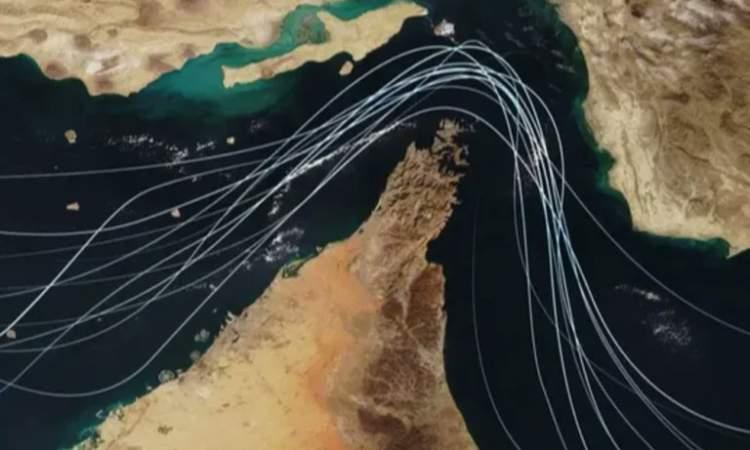
The IRGC announced it is completing preparations to impose a new “navigation system” through the Strait of Hormuz, with a statement carried by Al Sharq saying the strait has been “almost entirely closed since the war with the United States and Israel erupted on February 28.”
Al Sharq also reported that Iran identified two routes for passage and warned of “naval mines,” while the IRGC said, “Due to the war situation in the Gulf and the Strait of Hormuz, from March 9, 2025 to April 8, 2026,” ships must comply with maritime safety procedures.
In parallel, Mont Carlo International reported that Iran “closes the Strait of Hormuz again” and said the strait will remain closed as long as the American blockade is not lifted, while Iranian forces said “the control of the Strait of Hormuz has returned to its previous state.”
Across the reporting, the core dispute remains whether Iran can impose a new system for passage while the United States maintains pressure through blockade and sanctions.
Legal framework and tariffs
Iran’s messaging about Hormuz has combined legal claims, management rules, and a tariff-like approach to passage, with multiple outlets describing how Tehran wants to institutionalize control over navigation.
Muslim Network TV reported that Khamenei said the “new legal framework and management system for the Strait of Hormuz will advance comfort and development for all the region’s nations,” and Press TV similarly described Iran’s “new chapter” as a shift in how the waterway is managed.
The West Asian commentary in عصر ایران framed the dispute as the “birth of a ‘tariff regime’ in the Strait of Hormuz,” arguing that the plan began as a wartime measure and is becoming “the bedrock of Iran’s postwar energy strategy.”
That same piece cited a legal argument that critics “relying on the UNCLOS 1982” believe Iran “does not have the right to collect any charges for ‘mere transit’ of ships,” while it also quoted Article 26 as prohibiting charges “solely by virtue of the passage of foreign ships through the territorial seas.”
It further argued that Iran can rely on “cost of services,” describing services such as “marine pilots, towing, search-and-rescue, and environmental protection,” and it asserted that Iran can argue the amounts charged are “costs of security and navigation services.”
In parallel, جريدة الدستور reported that Iran had floated plans to reopen the strait by imposing “heavy charges on passing oil tankers,” and said Gulf states including Oman objected.
Even as the outlets differ in tone, they converge on the idea that Iran is moving from monitoring to a system that includes fees and permissions, with the IRGC’s operational rules described elsewhere as requiring coordination and permission for passage.
IRGC rules and threats
Operationally, Iran’s IRGC has laid out passage rules that distinguish between military and non-military traffic and require IRGC permission, while warning that ships that approach could be treated as cooperating with an enemy.
“By Press TV Website Staff Iran has moved to redefine the balance of power in the Persian Gulf, with the Leader of the Islamic Revolution, Ayatollah Sayyed Mojtaba Khamenei, declaring the start of a “new chapter” in the management of the Strait of Hormuz”
Tabnak reported that the IRGC Navy Command posted on Twitter a “new order” for passage, stating: “Non-military vessels may pass only via the route designated by Iran,” that “Transit of military vessels through the strait remains forbidden,” and that “Passages are allowed only with the permission of the IRGC Navy.”
Tabnak also said the order would apply “in line with the ceasefire period of battlefield silence and after Lebanon’s ceasefire is implemented,” and it described a set of conditions attributed to a “well-informed source close to SHAM” about commercial ships, prohibition on military ships, and coordination with Iranian forces.
In Mont Carlo International, Iranian forces said “the control of the Strait of Hormuz has returned to its previous state,” and the Iranian Supreme National Security Council said the strait “will remain closed as long as the American blockade is not lifted.”
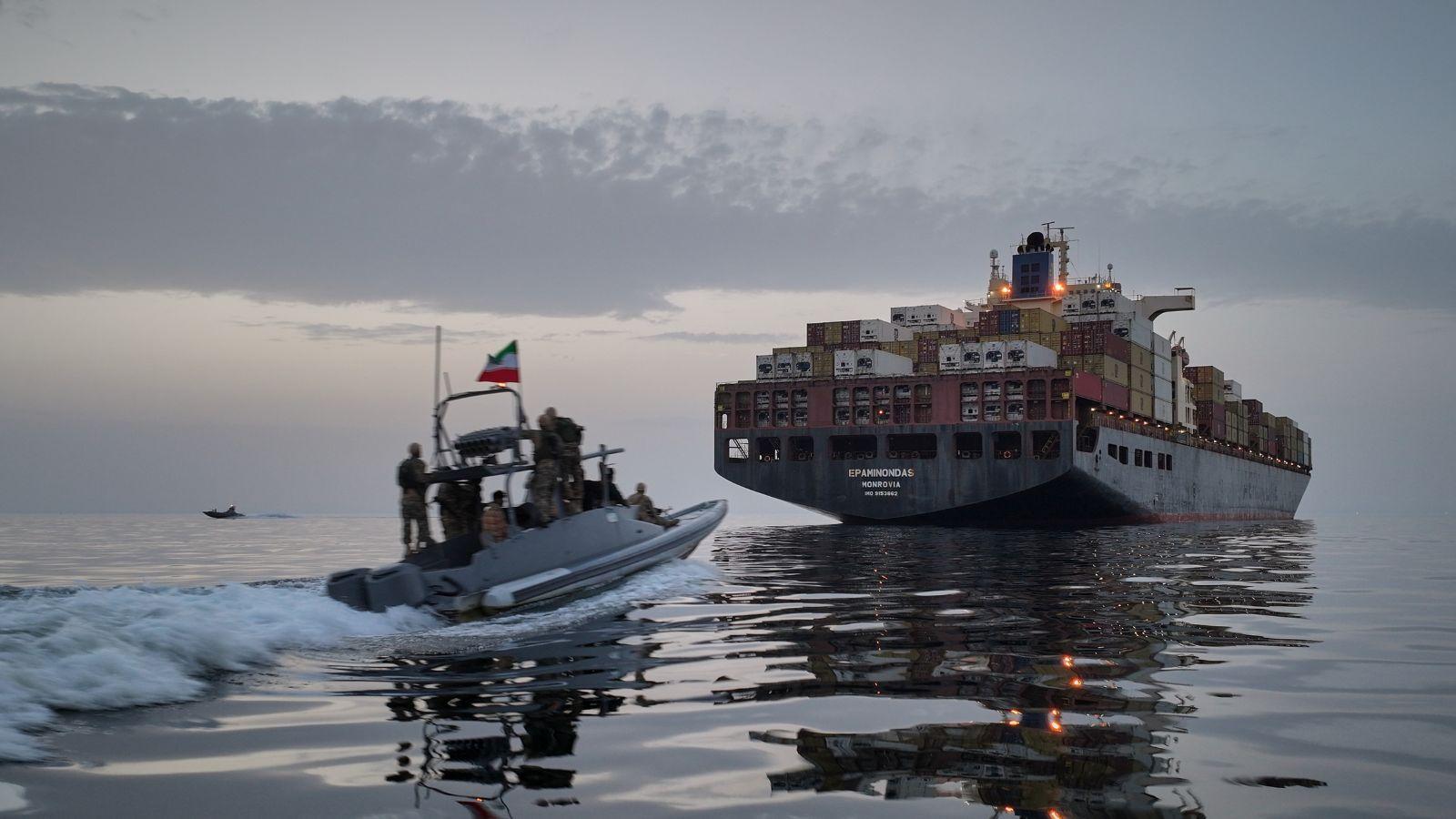
Mont Carlo International also quoted the IRGC naval forces on state television saying, “no vessel, no matter what it is, should depart its mooring in the Persian Gulf and the Sea of Oman,” and warned that “any attempt to approach the Strait of Hormuz will be considered cooperation with the enemy, and the offending vessel will be targeted.”
Al Sharq reported that the IRGC Navy warned of “anti-ship mines” and asked ships to comply with maritime safety procedures from “March 9, 2025 to April 8, 2026,” while it said the IRGC called on ships to coordinate with its naval forces and use two alternate routes.
Together, these accounts depict a system where Iran’s naval forces manage access through designated routes, permissions, and safety procedures, and where the consequences of approaching without compliance are framed as targeting.
Ceasefire, negotiations, and incidents
The reporting ties Iran’s passage system to ceasefire timelines and ongoing negotiations with Washington, while also describing incidents at sea and diplomatic responses.
Al Sharq said the IRGC’s warning came “two days after announcements of a two-week ceasefire between the United States and Iran,” and it described relief over the truce being “tempered by concerns about continued fighting in other parts of the region.”
It also reported that Iran said moving ahead with talks to sign a permanent peace agreement with the United States would be “illogical” after Israel struck Lebanon with its fiercest raids to date, leaving more than 250 people dead.
Mont Carlo International reported that Iran said it received “new proposals” from Washington and stressed it would not offer “any concessions,” while mediation efforts were led by Pakistan and backed by Egypt to reach a final agreement.
That same report said the Iranian Supreme National Security Council considered the attempt to disrupt passage and use a naval blockade as “a violation of the ceasefire,” and it said Tehran would continue to monitor and manage navigation by collecting information, issuing passage certificates, and collecting fees related to security, safety, and environmental protection services.
Mont Carlo International also described maritime incidents involving Iranian forces, including that “two vessels belonging to the IRGC approached an oil tanker 20 nautical miles northeast of Oman” and “opened fire on the oil tanker.”
In Washington, Mont Carlo International said U.S. media reported a White House crisis meeting after Iran announced closure of the strait, and it listed senior officials said to have attended.
Competing narratives and stakes
Different outlets portray the same Hormuz developments through sharply different lenses, with some framing Iran’s actions as legal management and others emphasizing blockade pressure and the risk of wider confrontation.
“The Baltic Sea is on the verge of a military escalation”
Muslim Network TV presents Khamenei’s message as a vow to end “foreign abuses” and describes the Strait of Hormuz as a “divine blessing” and a key connector for regional states, while it claims Iran has the “largest coastline along the Persian Gulf” and has borne “the greatest burden” in defending independence.

Press TV, meanwhile, frames the situation as US pressure waning and says political leaders dismissed Washington’s blockade threats as “illegal and unworkable,” while it reports that President Masoud Pezeshkian said the United States has destroyed trust by striking Iran “twice during diplomatic talks.”
In contrast, Mont Carlo International emphasizes the possibility of the United States widening its naval blockade and says Trump told advisers that Tehran cannot extort the United States by closing the strait, while Axios reported a White House crisis meeting and the Wall Street Journal said the U.S. military could begin intercepting oil tankers and commercial ships tied to Iranian interests.
The stakes are also described in economic terms and in terms of maritime safety: Al Sharq said the strait is “the world’s chokepoint for oil transport,” that closure has pushed oil prices higher, and that “four ships were allowed to pass on Wednesday, the lowest number so far in April.”
Meanwhile, جريدة الدستور argued that the twin sieges around the strait are normally used to move “up to a fifth of the world’s oil and natural gas shipments,” and it said the closure has driven energy prices higher while the war “devastated Iran’s economy” and drove the Iranian rial to its lowest levels against the dollar.
Across these narratives, the immediate consequence is continued uncertainty over passage, with IRGC rules requiring coordination and permission, while U.S. officials and media accounts describe potential expansion of interception and blockade.
More on Iran
Donald Trump Says US Navy Seized Oil Cargo Like Pirates During Iran Blockade
24 sources compared

Donald Trump Says U.S.-Iran Hostilities Terminated as War Powers Deadline Arrives
20 sources compared
U.S. Rebuilds Logistics Supply Chain After Ceasefire, Boosts CENTCOM Airlift From Ramstein
12 sources compared

Iran Executes Yaqub Karimpur And Nasser Bakrzadeh For Spying For Israel
17 sources compared