
Iran · 03 May, 2026 · 6 min read
Iran Executes Yaqub Karimpur And Nasser Bakrzadeh For Spying For Israel
Iran executed two men accused of spying for Israel. Radio Free Europe/Radio Liberty reported the executions.
EU leadership statements on whether to condemn aggression during Lebanon ceasefire coverage.
11 of 12 outlets skipped it: NATO/US plan to withdraw about 5,000 troops from Germany and NATO’s response framing it as a defense-spending responsibility issue..
18outlets compared
Same story, two versions
tap a side to read it in full
روزنامه شرق
“Ursula von der Leyen... today (Thursday) issued a statement welcoming a ceasefire in Lebanon. Without condemning the overt aggression by the Israeli regime against Beirut, she stated: "We welcome the 10-day ceasefire between Israel and Lebanon, brokered with the mediation of President Trump."”Read the original ↗
MehrNews
“The President of the European Commission, without condemning the overt aggression by the Zionist occupiers against Beirut, announced: "We welcome the ten-day ceasefire between Israel and Lebanon. ... which was established through the mediation of President Trump."”Read the original ↗
Both outlets echo a criticism that the EU statement praises the ceasefire while not explicitly condemning aggression, shaping readers’ perceptions of EU neutrality/positioning in Lebanon.
Executions and escalation
Iran executed two men accused of spying for Israel in the early hours of May 2, according to the judiciary-run Mizan news agency.
“Iran Executes Two Men Accused Of Spying For Israel”
Mizan said Yaqub Karimpur and Nasser Bakrzadeh were put to death for "intelligence cooperation and espionage in favor of the Zionist regime and the Mossad intelligence service."
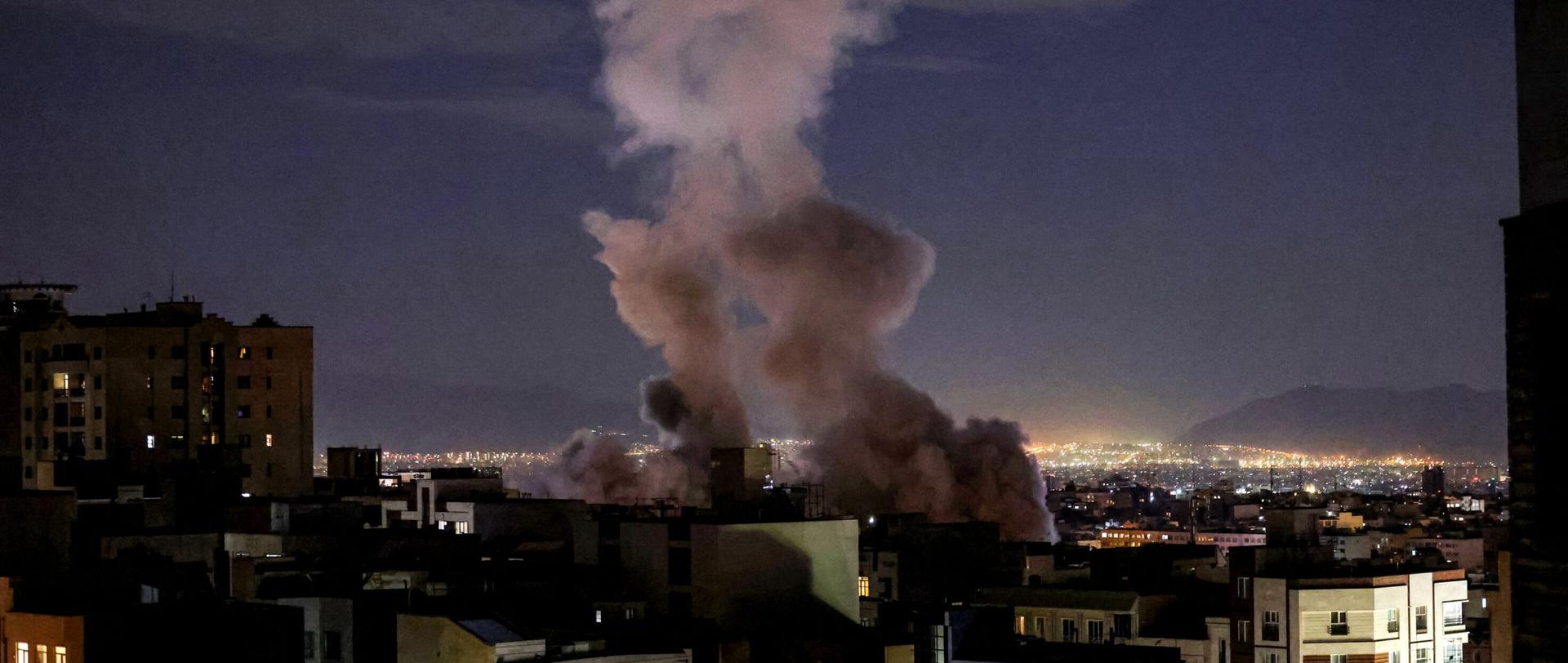
The report said Karimpur had "continued effective cooperation with the Mossad service during the imposed war," passing sensitive national intelligence to a Mossad officer.
The same Reuters-style account in Radio Free Europe/Radio Liberty framed the executions as part of a broader climate of escalation, noting that a senior Islamic Revolutionary Guards Corps commander said renewed confrontation with the United States is "likely."
Mohammad Jafar Asadi, described as a deputy commander of the Khatam al-Anbiya Central Headquarters, made the remarks on May 2 and said the evidence shows that "America does not honor any agreement or commitment."
Asadi dismissed US statements and actions since the April 8 cease-fire as largely performative, saying they were designed to stop oil prices from falling and to help Washington "escape the trap it created for itself."
The Radio Free Europe/Radio Liberty report also said his forces are in a state of "full readiness" for any contingency, placing the executions alongside warnings of further military readiness.
Draft peace talks and readiness
The May 2 escalation comments came just days after Iran delivered a draft proposal for a peace deal to mediator Pakistan, according to Radio Free Europe/Radio Liberty.
The report said Iran submitted its draft to Islamabad on April 29, state media reported, without detailing its contents.
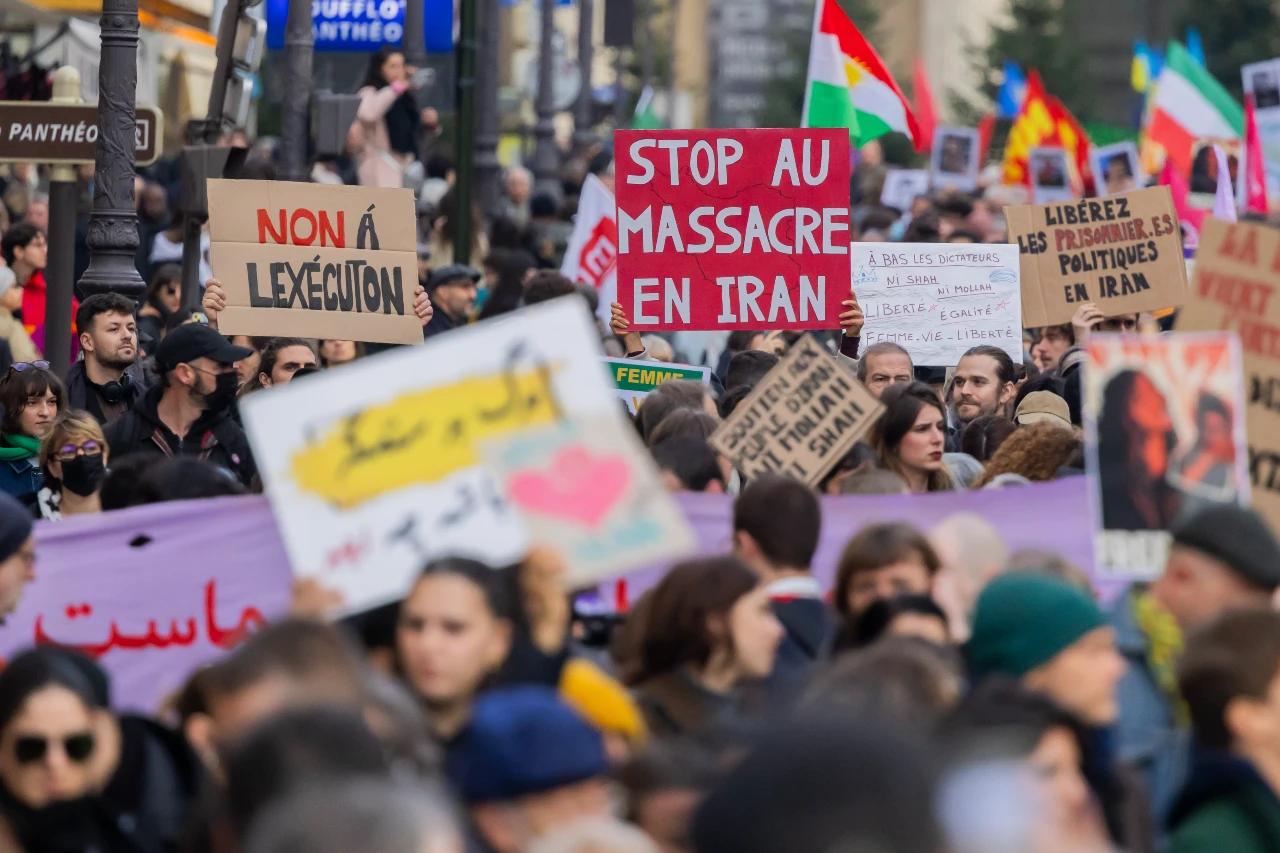
It described the war as launched by the United States and Israel on February 28 and said it has been on hold since April 8, though one round of peace talks in Pakistan has already collapsed without result.
In Washington, President Donald Trump suggested the Iranian offer fell short, telling reporters, "At this moment I'm not satisfied with what they're offering."
Radio Free Europe/Radio Liberty reported that Trump attributed the impasse to "tremendous discord" within Iran's leadership and framed the choice starkly: "Do we want to go and just blast the hell out of them and finish them forever -- or do we want to try and make a deal?"
The report added that Trump said he would “prefer not” to take the first option, "on a human basis."
Against that diplomatic backdrop, Mohammad Jafar Asadi said the evidence shows that "America does not honor any agreement or commitment" and dismissed US actions since the April 8 cease-fire as performative.
Turkish diplomacy and ceasefire
While Iran’s officials spoke of readiness and disputed US intentions, Turkish diplomacy continued to focus on keeping negotiations moving under Pakistan mediation.
“Turkish Foreign Minister Hakan Fidan and Iranian Foreign Minister Abbas Araghchi held a phone call to discuss the latest developments in ongoing negotiations between Iran and the US.”
Yeni Safak English reported that Turkish Foreign Minister Hakan Fidan and Iranian Foreign Minister Abbas Araghchi held a phone call to discuss the latest developments in ongoing negotiations between Iran and the US.
It said the call came as a Pakistan-mediated ceasefire holds, but efforts to reach a permanent end to the conflict continue.
The report said Fidan spoke by phone with Araghchi on Friday to review the latest developments, and that the two ministers exchanged views on the status of the talks mediated by Pakistan.
Hürriyet Daily News added that Fidan held a phone conversation with Araghchi on May 1 to discuss the latest developments regarding Tehran's negotiations with Washington and to exchange views about the current state of efforts to bring the two sides to the table and hold the existing ceasefire.
Hürriyet Daily News said the two ministers exchanged views but that they have not provided further details about the conversation.
The same report tied the diplomatic push to regional security concerns, saying it underlines the need for keeping the Strait of Hormuz open for civilian maritime for the good sake of global economy as well as energy and food security.
EU and UN pressure for diplomacy
European and UN-linked reporting emphasized diplomacy and the need to preserve ceasefire arrangements while warning against renewed confrontation.
In one account, the European Union welcomed the ceasefire and announced support for the path of diplomacy, with Kaya Kalas writing on X that the ceasefire agreement between the United States and Iran is "a step back from the brink of the crisis."

The same report said the agreement provides "a very necessary opportunity to reduce threats, halt missile launches, resume shipping, and create space for diplomacy to achieve a durable agreement," and added that the Strait of Hormuz must once again be open for passage.
It also quoted an EU official saying the mediation track should remain open because the root causes of this war remain unresolved.
Another report, attributed to Tabnak citing Sputnik News Agency, said Kaja Kalas told a press conference in Luxembourg that "If tonight's confrontation resumes, it will come at a very high cost for everyone, and that is why it is important that the next round of negotiations be held."
Tabnak also quoted Kalas saying freedom of navigation in the Strait of Hormuz 'is not negotiable,' and claimed: 'Daily rerouting, whether the Strait of Hormuz is open or closed, is reckless. Transit through this strait must remain free.'
ShahrArian News described Fu Cong speaking at a United Nations General Assembly meeting, defending China’s veto of Bahrain’s resolution on the Strait of Hormuz and arguing that the region’s situation has reached a critical point between war and peace.
Humanitarian stakes and sanctions
As the ceasefire framework continued, Amnesty International argued that temporary pauses are not enough and warned that civilians face a double risk from both renewed attacks and repression.
“The fragile and temporary ceasefires between the United States and Iran, as well as between Israel and Lebanon, must give way to a durable and comprehensive regional ceasefire”
Amnesty International said the fragile and temporary ceasefires between the United States and Iran, as well as between Israel and Lebanon, must give way to a durable and comprehensive regional ceasefire that covers all countries affected by the conflict.

It said the two ceasefire agreements currently in force are fragile and temporary and risk being breached at any moment, which would once again endanger the lives of millions of civilians.
Amnesty International also said the United States and Iran continue to exchange threats and to carry out attacks and seizures of ships in the Strait of Hormuz, while in Lebanon the latest ceasefire has led to a reduction but not a halt of hostilities.
The organization warned that Iranian civilians face a double risk of international-law crimes, "on the one hand in case of a resumption of illegal attacks by the United States and Israel and on the other in case of renewed deadly repression by Iranian authorities."
Amnesty International’s statement said the attacks carried out on February 28 by the United States and Israel against Iran were illegal because they violated the prohibition on the use of force in the UN Charter and triggered retaliatory illegal acts by Iranian authorities.
It also cited a scale of casualties, saying that since then, more than 5,000 people have been killed and millions of civilians across the Middle East have had their lives upended.