
Donald Trump Says U.S.-Iran Hostilities Terminated as War Powers Deadline Arrives
Key Takeaways
- Trump says hostilities with Iran have terminated, asserting the War Powers deadline no longer applies.
- No U.S.-Iran firefights since April 7, 2026, with a ceasefire extended.
- U.S. forces remain in the region and a naval blockade continues.
Hostilities Declared Over
President Donald Trump told congressional leaders that U.S.-Iran hostilities have “terminated” as a crucial War Powers deadline arrived, while the administration continued to enforce a naval blockade and keep U.S. forces in the region.
“Trump provided an update to the posture of U”
In letters dated Friday, Trump wrote, “There has been no exchange of fire between United States Forces and Iran since April 7, 2026” and added, “The hostilities that began on February 28, 2026, have terminated.”
ABC News reported that Trump had ordered “major combat operations” against Iran on Feb. 28, with “massive joint U.S.-Israeli strikes,” and that a two-week ceasefire ordered by Trump on April 7 had been extended.
The BBC said Trump argued he did not need congressional approval because the ceasefire “had paused the clock on any such obligation,” even though the U.S. and Iran had not reached a longer-term peace deal.
The Washington Post described Trump’s claim as coming “as the United States continues to enforce a naval blockade of Iran and as he declined to rule out additional strikes on the country.”
NBC News said the letters came as the conflict hit the 60-day mark, noting that the Trump administration notified Congress on March 2, starting the clock.
Multiple outlets tied the announcement to the 1973 War Powers Resolution, with the BBC stating that the law requires approval within 60 days or else the president must end the use of forces.
Even as Trump declared the hostilities ended, the letters emphasized that the “threat posed by Iran to the United States and our Armed Forces remains significant,” according to the AP and also echoed in other reporting.
Ceasefire, Blockade, and the Clock
The administration’s legal position hinged on how it characterized the ceasefire and whether it stopped the War Powers clock, even as U.S. actions continued in ways critics described as ongoing hostilities.
Trump’s letters asserted that “On April 7, 2026, I ordered a 2-week ceasefire” and that “The ceasefire has since been extended,” while also stating “There has been no exchange of fire between United States Forces and Iran since April 7, 2026.”
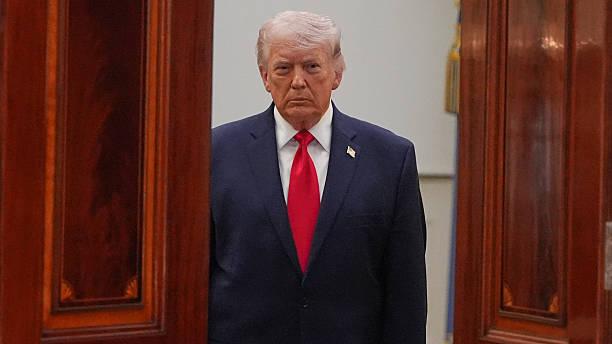
The BBC framed the dispute as a question of whether the ceasefire meant Trump “does not need their approval for Iran war,” citing the 60-day requirement under the War Powers Resolution.
NBC News reported that the U.S. military strikes on Iran began on Feb. 28, and that the Trump administration notified Congress on March 2, “starting the 60-day clock then,” while a temporary ceasefire went into effect on April 8 to allow negotiations and to reopen the Strait of Hormuz.
NBC News also said Iran blocked traffic in the Strait and that the U.S. had a naval blockade of Iranian ports, using “more than 100 fighter and surveillance aircraft, two carrier strike groups, and more than one dozen ships” to enforce it.
In a direct challenge to the administration’s interpretation, NBC News quoted Michael Glennon saying Trump’s argument is “a stretch” and that “the hostilities are continuing as a consequence of the administration’s enforcement of the blockade.”
Stephen Pomper, also quoted by NBC News, called the blockade “a hostile act” and “an act of war,” adding that it “puts U.S. troops at risk.”
The Guardian and CBS News both described the ceasefire-clock argument as contested, with the Guardian quoting Jeanne Shaheen that Trump’s declaration “doesn’t reflect the reality that tens of thousands of US service members in the region are still in harm’s way,” and CBS News quoting Defense Secretary Pete Hegseth saying the ceasefire means the 60-day clock “pauses or stops.”
Iran’s Response and U.S. Warnings
While Trump declared hostilities terminated, Iran’s military leadership and U.S. officials offered sharply different characterizations of the situation, and both sides pointed to the blockade and the risk of renewed fighting.
“Trump says deadline for Congress to approve Iran war doesn’t apply: Hostilities have ‘terminated’ Trump says deadline for Congress to approve Iran war doesn’t apply: Hostilities have ‘terminated’ WASHINGTON (AP) — The White House asserted to Congress in a letter Friday that hostilities with Iran have “terminated” despite the continued presence of U”
ABC News reported that Iran’s armed forces said it is “likely” the U.S.-Israel war on the country will resume as “evidence shows the US is not committed to any agreements or treaties,” quoting Mohammad Jafar Asadi, deputy of the military headquarters, saying, “The armed forces are fully prepared for any new adventures or foolishness from the Americans.”
ABC News also described the U.S. Treasury’s Office of Foreign Assets Control issuing a warning to shippers that fulfilling any demand for an Iranian toll for passage through the Strait of Hormuz risks exposure to U.S. sanctions, stating, “These risks exist regardless of payment method.”
The OFAC alert, as reported by ABC News, said demands to pay a toll could come in ways including “fiat currency, digital assets, offsets, informal swaps, or other in-kind payments,” such as “charitable donations to the Iranian Red Crescent Society.”
PBS and AP reporting tied the standoff to the Strait of Hormuz, with PBS saying the U.S. and Iran were locked in a standoff over the strait “through which a fifth of the world’s traded oil and gas passes in peacetime,” and that a U.S. Navy blockade stopping Iran’s tankers from getting out has Iran’s economy reeling.
PBS also reported that Trump rejected Iran’s latest proposal to end the war, telling reporters, “They want to make a deal, but I’m not satisfied.”
In the same PBS account, Trump said the U.S. has “just two options in Iran,” quoting him: “do we want to go and just blast the hell out of them and finish them forever? Or do we want to try and make a deal?”
The AP described Trump’s letter as asserting that the “threat posed by Iran to the United States and our Armed Forces remains significant,” even as the administration claimed the clock had effectively ended.
Congressional Fight Over Authority
The declaration of “terminated” hostilities immediately intensified a political and constitutional fight in Congress over whether the War Powers Resolution requires authorization despite the ceasefire and continued blockade.
Axios reported that Trump had notified Congress that hostilities were “terminated” while he “did not rule out future military action,” and it described the War Powers Act clock as something Trump was “effectively resetting.”
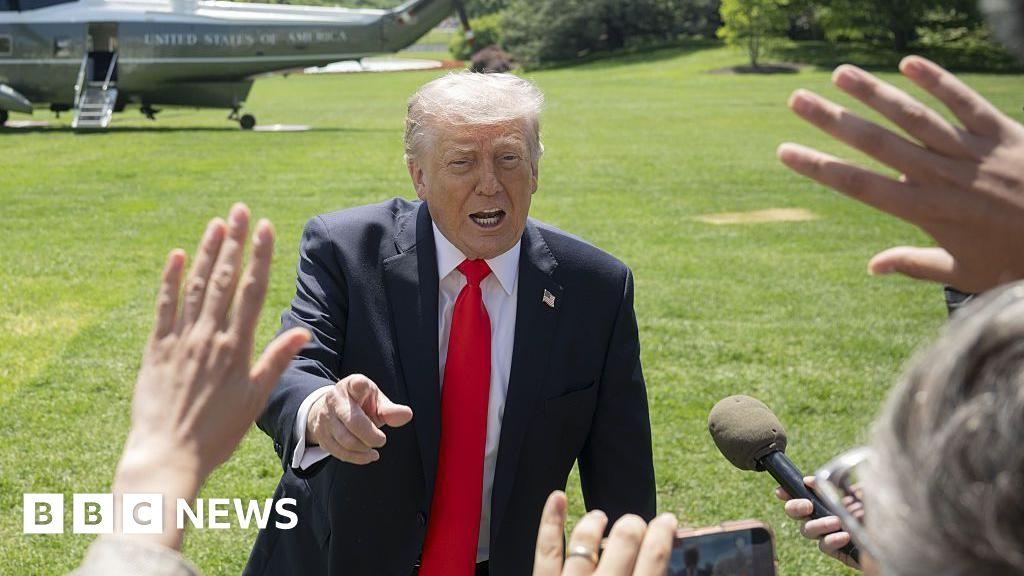
Axios also quoted Trump’s letter to Speaker Mike Johnson: “There has been no exchange of fire between United States forces and Iran since April 7, 2026,” and “The hostilities that began on February 28, 2026, have terminated.”
The Senate vote described by Axios showed Democrats and Republicans split, with a war powers resolution failing 47–50 and two Republicans, Sens. Susan Collins (R-Maine) and Rand Paul (R-Ky.), voting with Democrats.
Politico reported that Trump’s missive sought to head off “a growing battle on Capitol Hill,” and it quoted Trump telling reporters, “There has been no exchange of fire between the United States and Iran since April 7, 2026,” while also saying “The hostilities that began on February 28, 2026, have terminated.”
The BBC described the legal dispute as whether Trump could treat the ceasefire as pausing the clock, and it quoted Georgetown University Law professor Heather Brandon-Smith saying, “A ceasefire is not a permanent end to the conflict.”
NBC News added that Democrats and some Republicans argued the ceasefire did not stop the clock, quoting lawmakers who wrote, “Hostilities have not ceased; both sides are enforcing naval blockades through military force.”
The Guardian quoted Chuck Schumer on X calling the administration’s position “That’s bullshit,” and it quoted Jeanne Shaheen saying Trump’s declaration “doesn’t reflect the reality that tens of thousands of US service members in the region are still in harm’s way.”
What Comes Next
As the legal deadline passed, the reporting emphasized that the conflict’s trajectory remained uncertain, with the administration continuing to update force posture while lawmakers debated whether to authorize force or force withdrawal.
“Trump tells Congress ceasefire means he does not need their approval for Iran war President Donald Trump has told Congress that US hostilities with Iran have "terminated" during an ongoing ceasefire, as he argued he did not need to meet a deadline for legislative approval of the war”
The Guardian said Trump’s letter “effectively waves off the 1 May legal deadline,” and it quoted Trump stating that “the threat posed by Iran to the United States and our Armed Forces remains significant,” adding that the Pentagon would continue to “update its force posture” across the region “as necessary and appropriate.”

The Guardian also reported that the ACLU sent a letter to the White House expressing “profound concern” that Trump was “carrying out an illegal war,” and it quoted the ACLU’s claim that “there is no pause button – and certainly no reset button – under the statute.”
CBS News described the administration’s enforcement of the naval blockade as “considered an act of war,” and it quoted Hegseth saying the U.S. could return to action “at the push of a button.”
NBC News similarly quoted Glennon saying the argument is “a stretch,” and it quoted Pomper calling the blockade “an act of war,” reinforcing that the dispute is not just legal but operational.
In Congress, AP reported that Sen. Susan Collins said the 60-day deadline is “not a suggestion, it is a requirement,” while AP also quoted Sen. Todd Young saying lawmakers “must ensure that the people, through their elected representatives, weigh in on whether to send our military into combat.”
ABC News reported that OFAC’s warning to shippers about Iranian toll payments came as shipping traffic through the Strait of Hormuz remained “at a virtual standstill,” and that the indefinite ceasefire dragged on “without a clear resolution to the war -- or a full reopening of the strait -- in sight.”
PBS added that negotiations continued by phone after Trump called off envoys’ trip to Pakistan, and it reported that an explosion of leftover bombs killed 14 Revolutionary Guard members, described as “the largest number of Revolutionary Guard members reported to be killed since the ceasefire.”
More on Iran
Trump Says Iran Hostilities Have Terminated as Germany Anticipates 5,000 Troop Withdrawal
21 sources compared
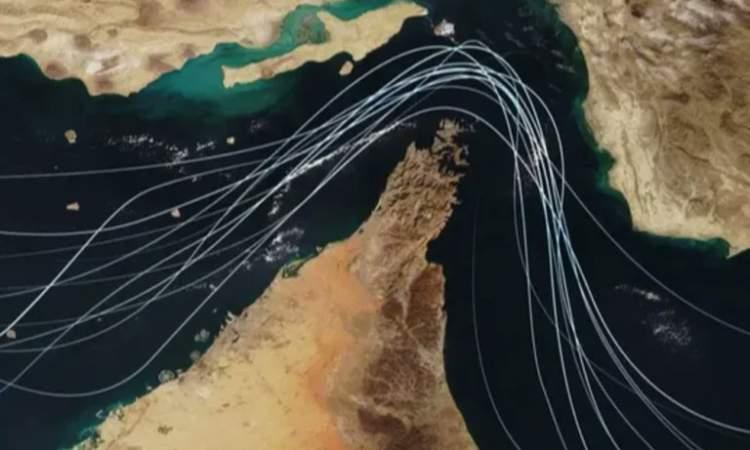
Donald Trump Says US Navy Seized Oil Cargo Like Pirates During Iran Blockade
24 sources compared
U.S. Rebuilds Logistics Supply Chain After Ceasefire, Boosts CENTCOM Airlift From Ramstein
12 sources compared
Ayatollah Seyyed Mojtaba Khamenei Orders New Legal Rules for Strait of Hormuz Amid US Blockade
18 sources compared