Trump Reviews Iran’s 14-Point Proposal to End the War After U.S. Rebuff
Key Takeaways
- Iran submits a 14-point proposal to the U.S. to end the war.
- Trump is reviewing the proposal and expresses skepticism about a deal.
- Negotiations take place in Islamabad, Pakistan, with Pakistan as mediator.
Trump reviews Iran offer
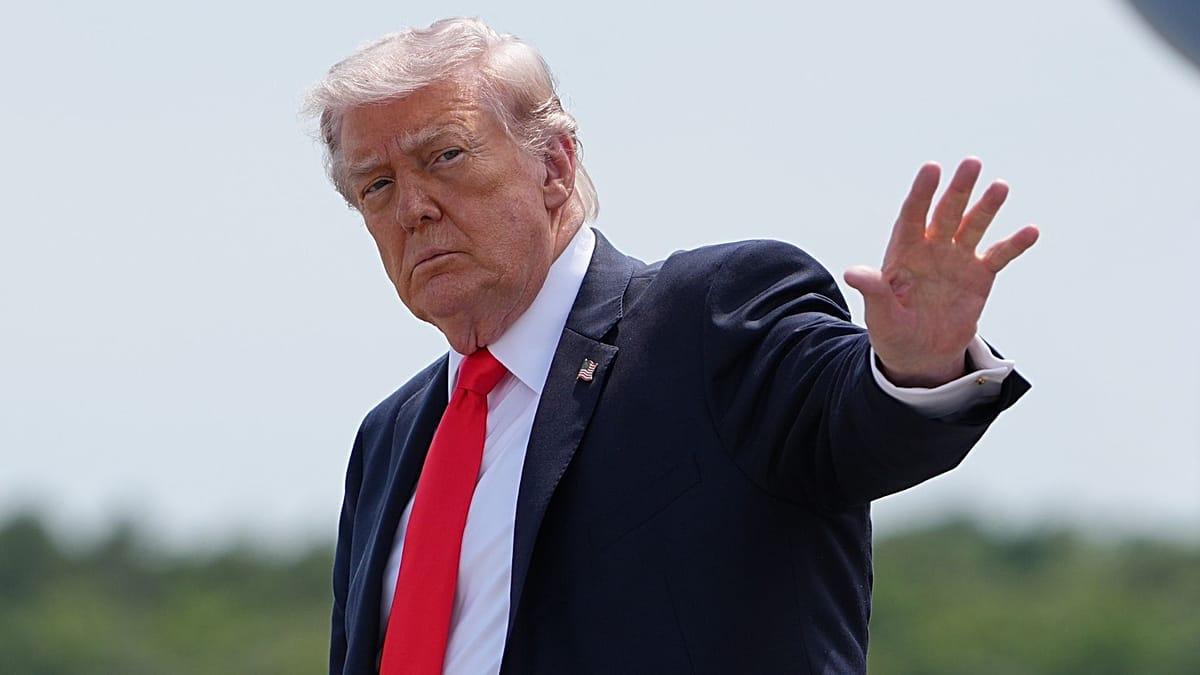
President Donald Trump said he was reviewing a new Iranian proposal to end the war while also expressing skepticism it would lead to a deal, telling reporters, “I’ll let you know about it later,” before boarding Air Force One.
Trump added that “they’re going to give me the exact wording now,” and shortly after speaking to reporters he posted on social media that he “can’t imagine that it would be acceptable in that they have not yet paid a big enough price for what they have done to Humanity, and the World, over the last 47 years.”
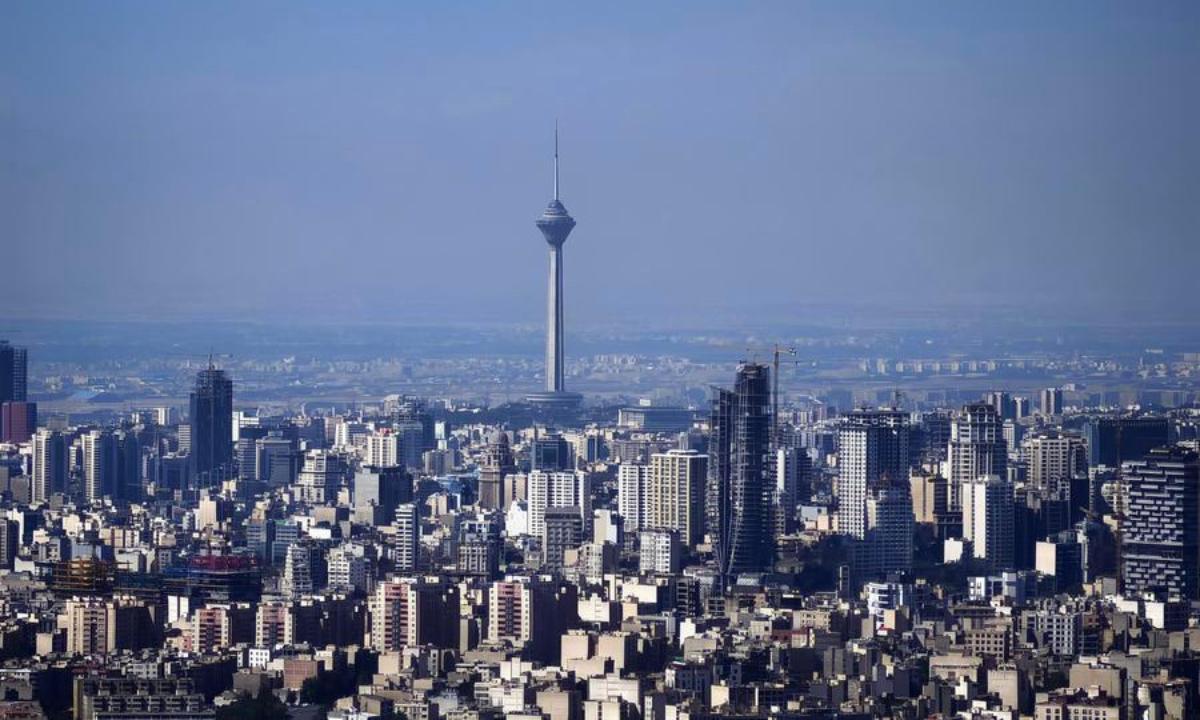
AP reported that two semiofficial Iranian news outlets, Tasnim and Fars, believed to be close to Iran’s paramilitary Revolutionary Guard, said Iran had sent a 14-point proposal via Pakistan in response to a nine-point U.S. proposal.
AP also said Iran’s state-run media have not reported on the new proposal, and that Pakistan has hosted previous negotiations between Iran and the United States.
The AP account placed the proposal in the context of ongoing diplomacy, noting that “the three-week ceasefire appears to be holding.”
AP further reported that Trump had floated a new plan to reopen the Strait of Hormuz at the mouth of the Persian Gulf, where about a fifth of the world’s trade in oil and natural gas typically passes.
In parallel, AP said the U.S. warned shipping companies they could face sanctions for paying Iran to pass safely through the Strait of Hormuz, as the standoff over control of it continued.
Blockade, Hormuz, and leverage
The dispute over the Strait of Hormuz sits at the center of the U.S.-Iran standoff described across multiple reports, with Trump publicly linking the blockade to leverage while Iran insists on its own approach to maritime movement.
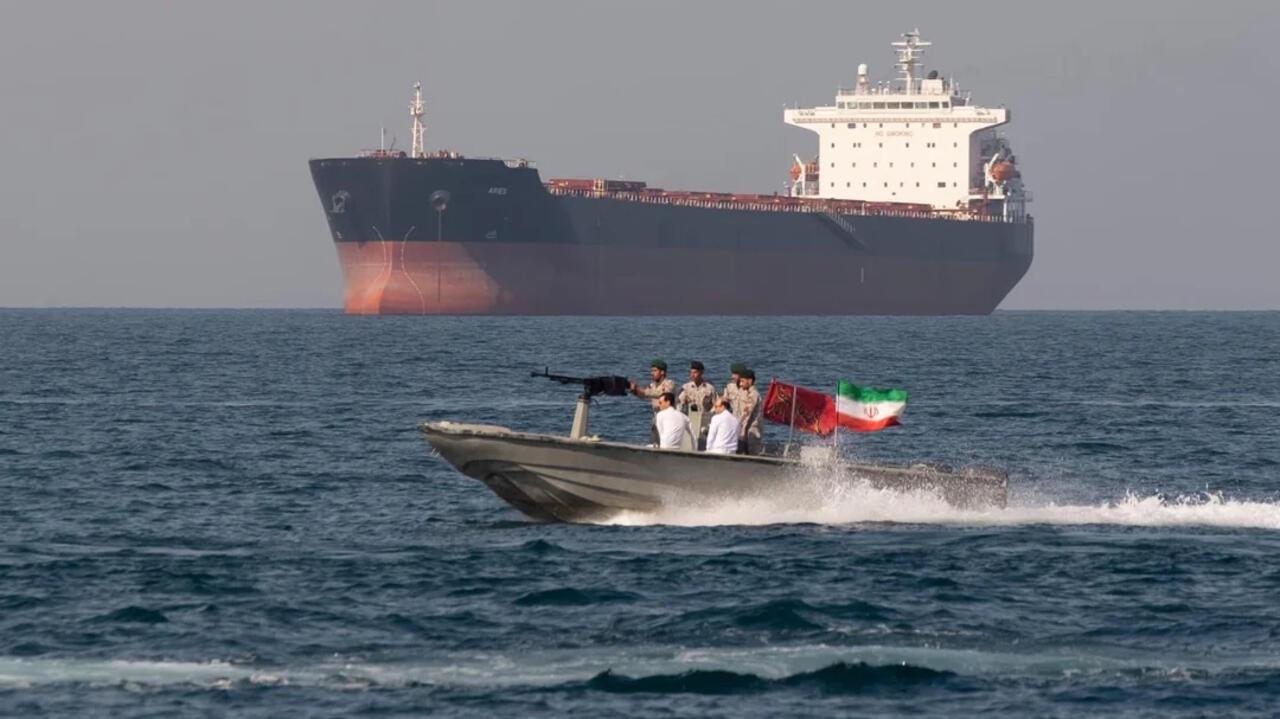
AP said the U.S. warned shipping companies about possible sanctions for paying Iran to pass safely through the strait, and it reported that Iran effectively closed the strait by attacking and threatening ships after the U.S. and Israel launched a war on Feb. 28.

AP added that Tehran later offered some ships safe passage via routes closer to its shore, charging fees at times, and that the U.S. on Friday warned against transfers not only in cash but also in “digital assets, offsets, informal swaps, or other in-kind payments,” including charitable donations and payments at Iranian embassies.
AP also reported that the U.S. responded with a naval blockade of Iranian ports since April 13, depriving Tehran of oil revenue it needs to shore up its ailing economy, and that on Saturday the U.S. Central Command said 48 commercial ships have been told to turn back.
In the BBC’s account of the talks, the Strait of Hormuz is described as a “vital” issue that could derail negotiations, with Trump saying Iran is “doing a very bad job” of allowing ships to pass through the strait and proclaiming, “This is not the deal between us!”
The BBC also reported that “Very few Gulf ships pass, while hundreds of ships and about 20,000 sailors remain stuck there,” and it said Iran announced new transit routes to “avoid the presence of different kinds of naval mines in the main transit area.”
The Atlantic’s framing of the standoff emphasized Trump’s view that the blockade is a pressure mechanism, quoting Trump saying, “The blockade ‘is genius,’” and adding, “now they have to cry uncle.”
Narges Mohammadi and the human stakes
While negotiations and maritime pressure dominated the diplomatic track, AP also reported a parallel development involving imprisoned Iranian rights lawyer Narges Mohammadi, whose health was described as deteriorating.
AP said the health of Mohammadi was at “very high risk,” and it reported that her foundation and family said Iran’s Intelligence Ministry was opposing her transfer to Tehran for treatment by her own doctors.
AP described Mohammadi, a Nobel Peace Prize laureate in her early 50s, as having been urgently transferred to a hospital in Zanjan in Iran’s northwest on Friday after a cardiac crisis and fainting.
AP reported that medical teams in Zanjan requested her records before performing any treatment while recommending she be transferred to Tehran, and it said her Paris-based husband, Taghi Rahmani, stated in a voice message shared with AP by the foundation that the Intelligence Ministry opposed the transfer for angiography, or imaging of the blood vessels.
AP also said the Norwegian Nobel Committee urged Iranian authorities to immediately transfer Mohammadi to her medical team, stating, “She has the mental resilience for imprisonment, but her body does not have the readiness. The Ministry of Intelligence wouldn’t even mind if (she) died,” and it added that Rahmani told Sky News that their children hadn’t seen Mohammadi for over a decade, since 2015.
AP further reported that before her arrest on Dec. 12, Mohammadi had already been serving a sentence of 13 years and nine months on charges of collusion against state security and propaganda against Iran’s government, but had been released on furlough since late 2024 over medical concerns.
The AP report also said her legal team is pursuing the matter with the General Prosecutor’s office, as the foundation described.
Islamabad talks and competing narratives
As the U.S.-Iran negotiations continued under Pakistani mediation, different outlets described the talks’ progress and the reasons for deadlock in contrasting ways, while naming key participants and specific sticking points.
The BBC reported that negotiations between the United States and Iran began on Saturday in Islamabad to bring an end to the war in the Middle East, and it said U.S. Vice President J.D. Vance arrived in Islamabad accompanied by Jared Kushner and Special Envoy Steve Witkov.
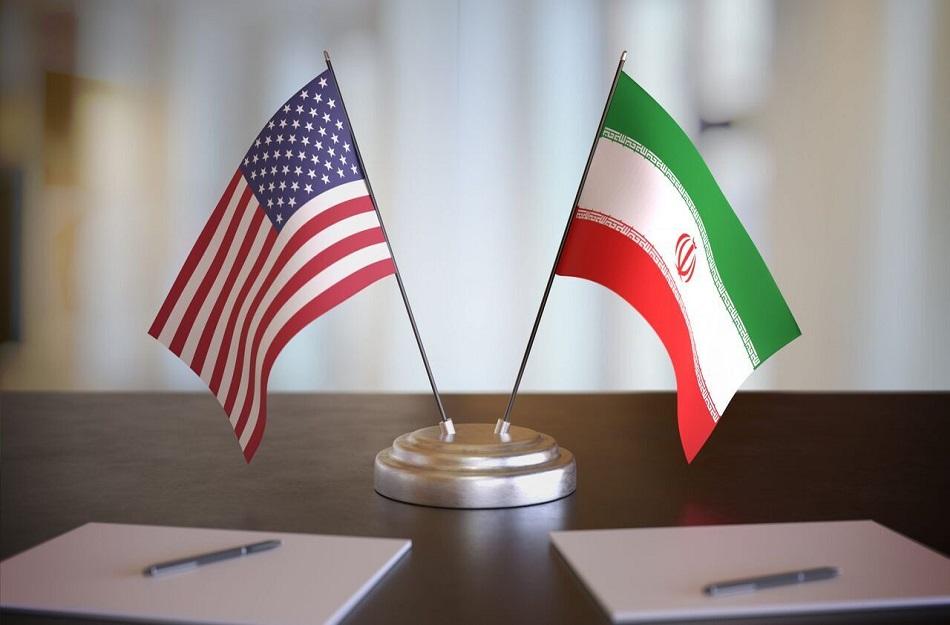
The BBC also said Iranian Parliament Speaker Mohammad Bagher Qalibaf, who heads Iran’s delegation, and Foreign Minister Abbas Araghchi arrived at midnight just before the talks began, and it quoted Vance’s warning that “If they try to game us, they will find that the negotiating team is not as responsive.”
The BBC described obstacles including Lebanon, quoting Iranian President Masoud Bazhkian on X: “Continuing these actions will render the negotiations futile,” and it added, “Our fingers are still on the trigger. Iran will never abandon its Lebanese brothers and sisters.”
In a different account, Al-Sharq reported that the third round of talks in Islamabad ended in the early hours of Sunday after nearly a full day without reaching an agreement, and it said U.S. Vice President Vance stated that Tehran “chose not to accept the American terms.”
Al-Sharq said Vance described the talks as lasting “21 hours” and said the American delegation would return to the United States without an agreement, while stressing the need for “a clear and positive assurance that Iran would not seek to acquire a nuclear weapon.”
Al-Sharq also quoted Iranian spokesperson Ismail Baqai saying that “in the last 24 hours various major issues were discussed, including the Strait of Hormuz, the nuclear file, war reparations, lifting sanctions, and the complete end to the war,” and it said Baqai stressed that “the success of the diplomatic track depends on the seriousness of the other party and good faith.”
Nuclear dispute and next steps
The nuclear issue remained the oldest and most persistent sticking point in the negotiations, with multiple reports describing how each side frames its demands and what is required for a deal to move forward.
“Islamic Resistance fighters targeted a gathering of vehicles and soldiers of the Israeli enemy army in the town of Al-Bayyada with a barrage of rockets and artillery shells, and achieved confirmed hits: statement 11 Pakistani media outlets cite sources connected to the negotiations: Next few days will be crucial in determining the course and outcome of the Iranian-American negotiations Israeli media: Sirens sounded in Yer’on in the Western Galilee due to fears of drone infiltration Islamic Resistance fighters targeted a gathering of vehicles and soldiers of the Israeli enemy army in the town of Al-Bayyada with a barrage of rockets and artillery shells, and achieved confirmed hits: statement 11 Pakistani media outlets cite sources connected to the negotiations: Next few days will be crucial in determining the course and outcome of the Iranian-American negotiations Israeli media: Sirens sounded in Yer’on in the Western Galilee due to fears of drone infiltration”
The BBC said the “biggest—and certainly the oldest—sticking point is the nuclear issue,” and it reported that Trump said he launched a process of “epic wrath” to ensure Iran would never possess a nuclear weapon, while Iran insists it has never sought to build a nuclear bomb and argues it has the right to enrich uranium for civilian purposes as a signatory to the Nuclear Non-Proliferation Treaty.

The BBC also described Trump’s ten-point proposal as a “practical basis for negotiation” that includes a demand for international recognition of Iran’s rights to enrich uranium, and it said reports indicate Trump’s fifteen-point plan calls on Iran “to end all uranium enrichment operations on its soil.”
The BBC further reported that when asked about this earlier this week, U.S. Defense Secretary Pete Hegseth said Iran “will never have a nuclear weapon or the ability to obtain one.”
In a separate account focused on the “14-point” proposal, یورونیوز said Iranian media reported the Islamic Republic had sent a new proposal to end the war and reopen the Strait of Hormuz, and it quoted Trump saying, “They want things I cannot agree to.”
یورونیوز also said the new Iranian proposal consists of 14 clauses and outlines a two-stage process, with the first stage examining the Strait of Hormuz and end-of-war conditions alongside U.S. commitments to end attacks, and the second stage devoted to limits on Iran’s nuclear program in exchange for sanctions relief.
Finally, AP reported that Iran said it hanged two men convicted of spying for Israel, naming Yaghoub Karimpour and Nasser Bekrzadeh, and it said the judiciary’s news outlet Mizanonline reported Karimpour was accused of sending “sensitive information” to an officer in Israel’s Mossad and that Bekrzadeh allegedly sent details about government and religious leaders as well as information about Natanz.
More on Iran

Trump Announces Project Freedom To Guide Stranded Ships Out Of Strait Of Hormuz Monday
19 sources compared
Iran Claims It Struck U.S. Navy Vessel Near Strait of Hormuz, CENTCOM Denies
19 sources compared
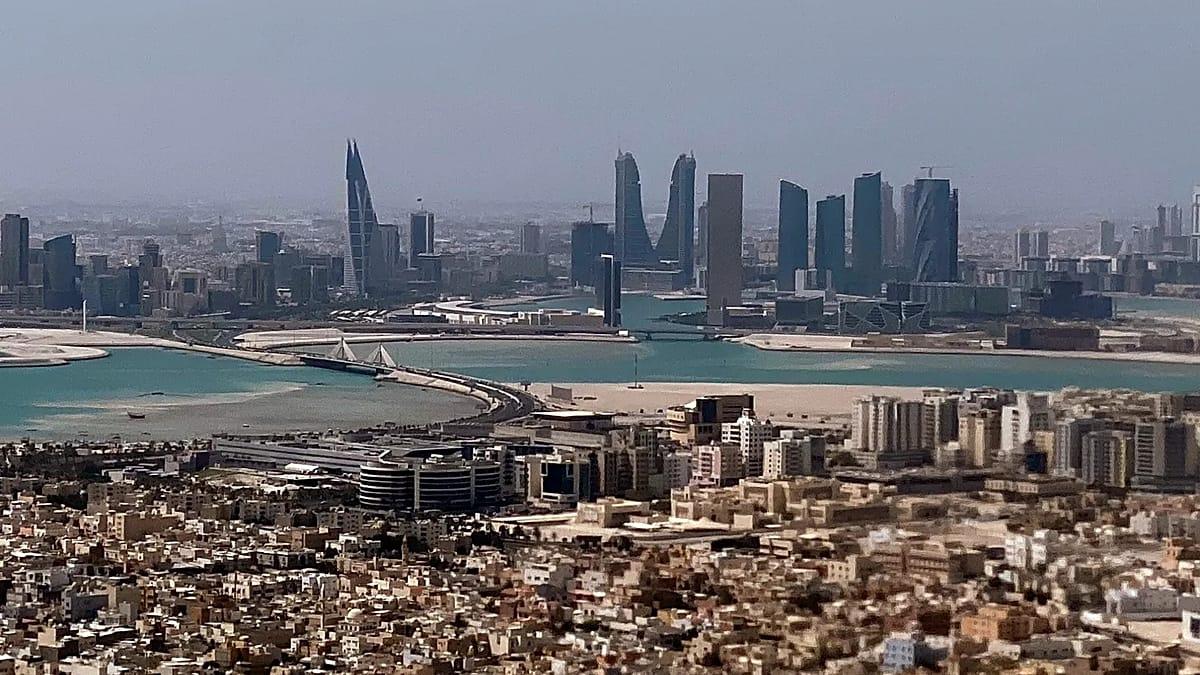
Iran Destroys 74 Missiles And 117 Drones In Bahrain, Bahrain Defence Forces Say
10 sources compared
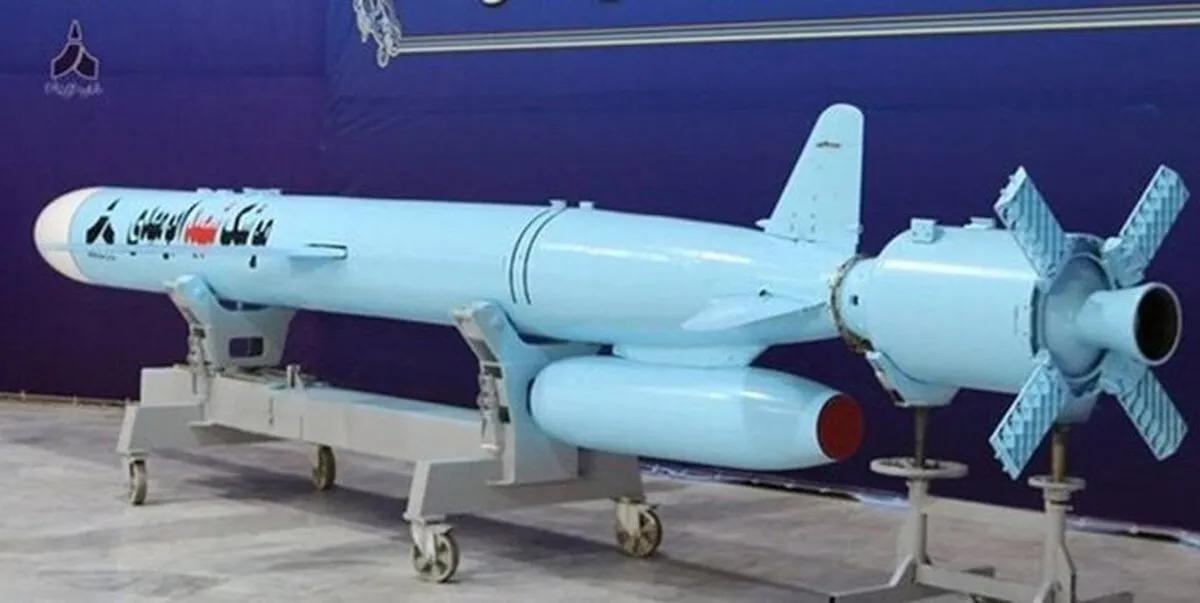
Iranian Media Claims Two Missiles Hit US Frigate Near Strait of Hormuz, Washington Denies
29 sources compared