Ukraine War15 December, 20252 min read
Trump Says Beefed-Up U.S. Security Guarantees Advance Ukraine Peace Talks and Bring War Closer to End
United States agreed to provide NATO-like, time-limited security guarantees to Ukraine President Trump said the Ukraine war is closer than ever after Berlin peace talks

14 outlets told this the same way.
Outlets did split on Russian Attack Kills At Least 33 On Two Buses In Kramatorsk →
Ukraine peace talks update
President Trump said the end of the nearly four-year war in Ukraine is now "closer now than we have been, ever."
“President Trump said Monday that an end to the war in Ukraine is ‘closer now than we have been, ever,’ ... The U.S. was represented in talks by envoy Steve Witkoff and Jared Kushner; Trump phoned into a leaders’ dinner...”
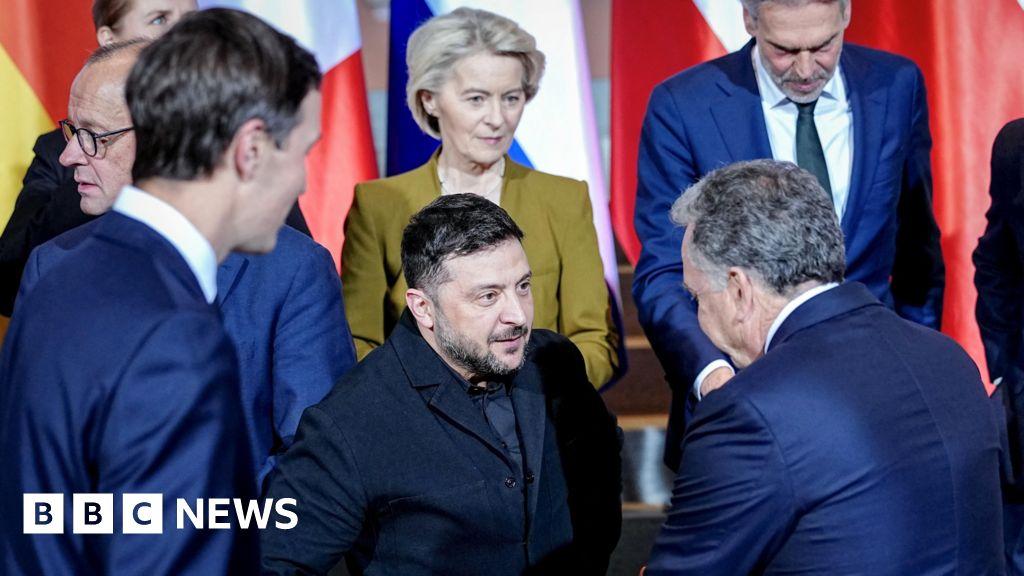
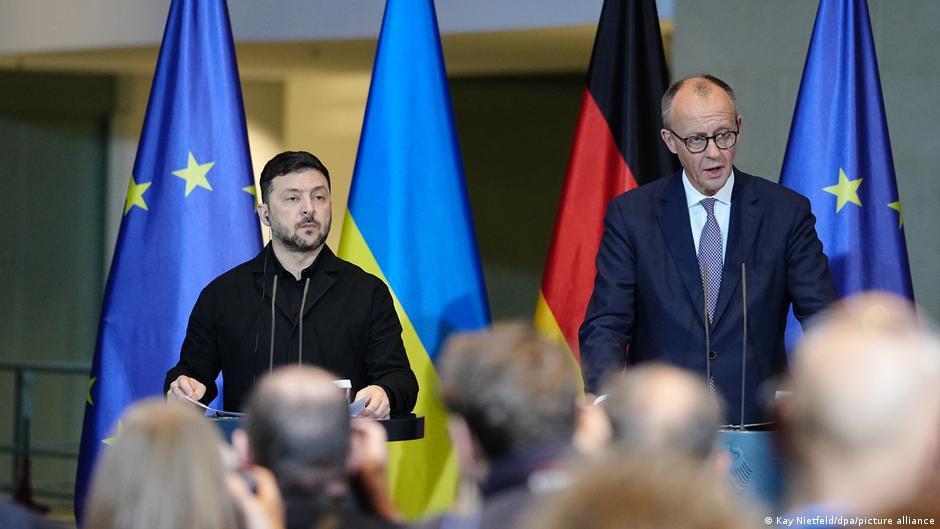
The comment followed two days of talks in Berlin where U.S. envoys Steve Witkoff and Jared Kushner met with President Volodymyr Zelenskyy and European leaders, and Mr. Trump phoned into a negotiators' dinner.
U.S. officials told reporters roughly 90% of issues have been resolved.
Territorial concessions are the main remaining sticking point, and the discussions advanced a U.S. security-guarantees framework intended to bring the sides closer to a settlement.
Negotiators described a package of Article-5-like guarantees, deconfliction, and monitoring measures that Kyiv wants to be legally binding.
Further talks and working groups are expected to continue the effort.
Ukraine security guarantee proposals
U.S. and European officials released details of a security-guarantee package described as 'Article-5-like' that offers military, intelligence, logistical and diplomatic measures to deter further aggression, help deconflict, and monitor compliance. U.S. officials emphasized the package would not include U.S. ground forces. European leaders described proposals for a European-led multinational force to operate inside Ukraine, backed by U.S. support.
They also outlined plans to rebuild Ukrainian forces to a cited peacetime strength, with several outlets reporting a peacetime figure of roughly 800,000. Kyiv seeks written, legally binding guarantees and ceasefire monitoring as preconditions for any territorial compromises.
Territorial concessions dispute
Territorial concessions, especially over parts of the Donbas and other Russian-held areas, remain the principal unresolved issue. Multiple outlets report Moscow has insisted on territorial gains while Kyiv resists ceding land it says was seized by force; some reports say U.S. negotiators have floated withdrawal ideas to bridge the gap, but Ukrainian leaders call such demands unacceptable absent binding guarantees. German and other European leaders warned that any ceasefire must be backed by substantial legal and material guarantees from the U.S. and Europe before Ukraine considers altering front lines.
“Kyiv has previously insisted it will not cede territory Russia seized (roughly 20% of Ukraine since 2022).”
Security guarantees and financing
Procedural and political questions remain unresolved. U.S. officials said Washington would send a proposed security guarantees agreement to the Senate but did not clarify whether it would be submitted as a ratified treaty requiring two-thirds approval, and some outlets describe the guarantees as time-limited.
Journalists reported the U.S. provided Ukraine with a more detailed document after Kyiv complained earlier drafts lacked specifics. European leaders said they would coordinate to provide robust guarantees and explore financing options, including discussions of underwriting large loans using frozen Russian assets, but several news organizations note the process depends on further negotiations and domestic political steps in multiple countries.
Reactions to Berlin talks
Political context and reactions vary across reports. European leaders welcomed 'significant progress' but stressed any deal must protect Ukrainian sovereignty and be backed by robust guarantees. Some outlets warned that public and political support for a European peacekeeping coalition is limited in several countries.
“Plans for a European‑led peacekeeping 'Coalition of the Willing' face limited public support: majority backing only in Britain, near-even in the US, and majority opposition in Germany, France and Poland.”
Journalists reported ancillary ideas discussed in Berlin, from an economic free zone to a plan to underwrite large loans using frozen Russian central-bank assets. Analysts cautioned that how Putin reacts remains unclear and that much depends on follow-up diplomacy and domestic approvals in the U.S. and Europe.