
Trump Says China Won’t Help Iran as Strait of Hormuz and U.S. Blockade Intensify Pressure
Key Takeaways
- Trump says Iran agreed to stop arming and financing Hamas and Hezbollah.
- U.S. seizes Iranian cargo ship, Iran vows retaliation and delays peace talks.
- Standoff in the Strait of Hormuz intensifies as U.S. blockade tightens pressure.
Trump, Hormuz, and Iran
Donald Trump’s visit to China is described as not expected to have a significant impact on pushing toward a settlement with Iran, with the article saying it will not open the Strait of Hormuz, will not lift the U.S. blockade on Iranian ports, and will not yield any breakthrough related to the nuclear program.
The same source quotes Trump saying, "I’m not in need of China’s help on Iran. We will prevail one way or another, peacefully or otherwise."

In a separate report, Marco Rubio told NBC News in an interview that the United States has not asked Beijing for help regarding Iran and that "We have not asked China for help and we do not need their help."
The IRNA report also says Rubio claimed that China and the United States agree that the Strait of Hormuz should not be militarized, while the Arabic article frames the Strait of Hormuz as intensifying economic pressure tied to Iran’s closure of the strait and the U.S. naval blockade.
Ceasefire, threats, and talks
DW says the war between the United States and Israel against the Islamic Republic of Iran began on Saturday, 9 Esfand 1404, and that forty days later Tehran and Washington agreed on a two-week ceasefire.
It adds that in the waning hours of the remaining time of that ceasefire, Donald Trump announced that, at the request of several Pakistani officials, the possible resumption of attacks on the Islamic Republic would be temporarily halted and the ceasefire extended, while negotiations between the Islamic Republic and the United States, mediated by Pakistan, ended without result.
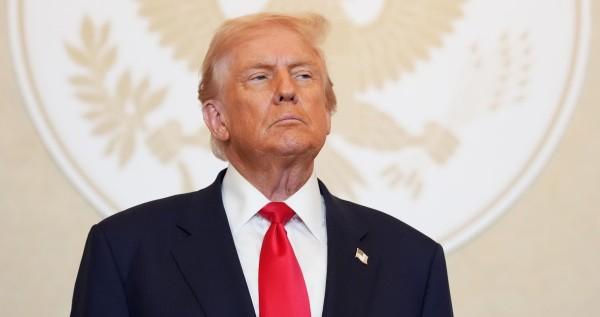
DW reports Trump warned on Sunday, May 17 (27 Ordibehesht) that if Iran does not quickly reach a peace agreement with the United States, “nothing will remain,” quoting his Truth Social post: “For Iran, time is running out, and they should act very quickly, or nothing will remain of them.”
The same DW article says the warning came hours after threats from Abulfazl Shakarchi, the senior spokesperson for the armed forces, who said Iran’s assets and its army would face new, aggressive, surprising and stormy scenarios and would sink in the self-made swamp of the President’s adventurism.
Strait of Hormuz stakes
The Arabic article says the crisis deepens the longer it lasts, pushing the U.S. inflation rate to 3.8 percent, the fastest jump in three years, and driven by a 40 percent rise in gasoline prices since the war began on February 28.
It also says U.S. Defense Secretary Pete Hegseth faced close scrutiny in Congress over the cost of the war, which has risen to $29 billion after he had spoken two weeks earlier of $25 billion.
In a separate West Asian piece, the y alibnan article argues that if freedom of navigation in Hormuz is permanently compromised, consequences will reach far beyond the Middle East and that “If freedom of navigation in Hormuz is lost, America’s credibility goes down the tube.”
The same y alibnan article frames the Strait of Hormuz as the world’s most strategic energy artery, stating that roughly a fifth of global oil and major LNG shipments pass through it, and it warns that the issue is not only about nuclear ambitions or regional aggression but also about the erosion of American credibility.
More on Iran

Trump and Netanyahu Hold Tense Call Over New Iran Deal Proposal, Axios Says
10 sources compared

U.S. Senate Advances Tim Kaine War Powers Resolution To End War With Iran
20 sources compared
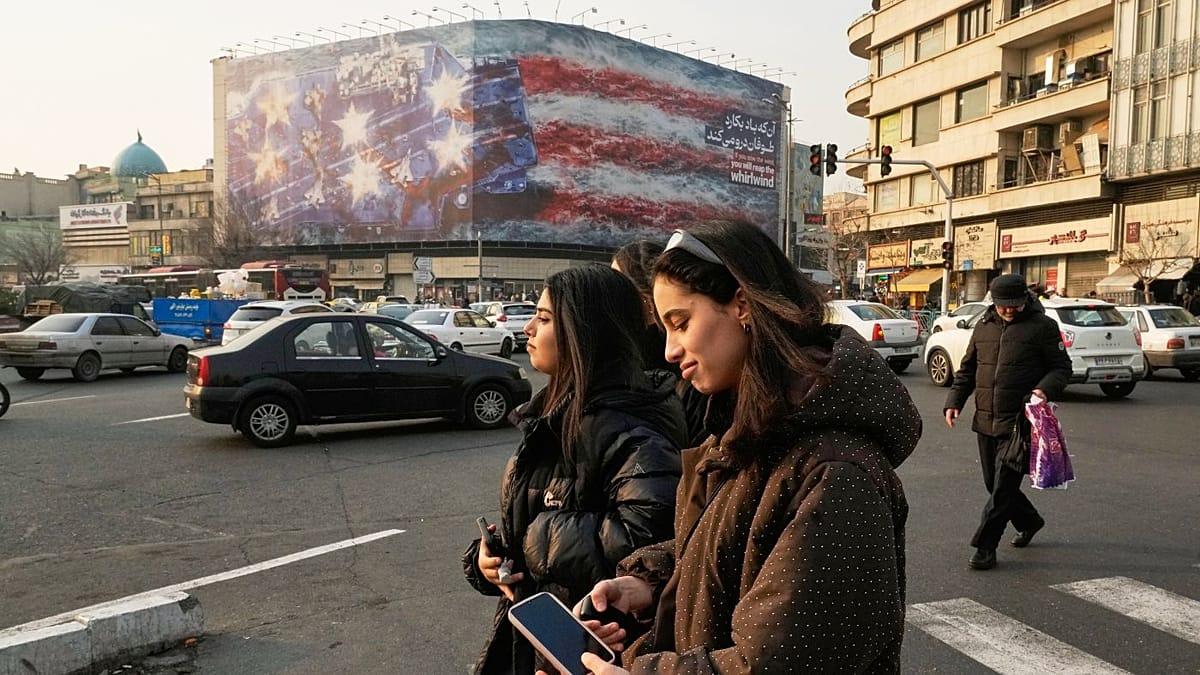
JD Vance Says U.S. Made A Lot Of Progress In Iran Talks After Trump Postponed Attack
21 sources compared

US Central Command Chief Brad Cooper Rejects Responsibility for Minab School Strike
10 sources compared