
Trump Says He Will Accept Iran’s 20-Year Nuclear Suspension After Beijing Talks With Xi
Key Takeaways
- Trump would accept a 20-year suspension of Iran's nuclear program with a real guarantee.
- The openness follows Beijing talks with Xi Jinping, signaling a diplomatic shift.
- Negotiations edge toward a one-page memo to end the war.
Nuclear pause and Strait
On May 15, President Donald Trump said he would accept a 20-year suspension by Iran of its nuclear programme if it is a "real 20 years," while he also said the two sides had agreed Tehran could not be allowed to have a nuclear weapon and must reopen the Strait of Hormuz, which it is currently blocking.
The BBC reported that Trump made the remarks on Air Force One after talks in Beijing with Chinese President Xi Jinping, and that he told a reporter: "Twenty years is enough, but the level of guarantee from them, in other words it's got to be a real 20 years."

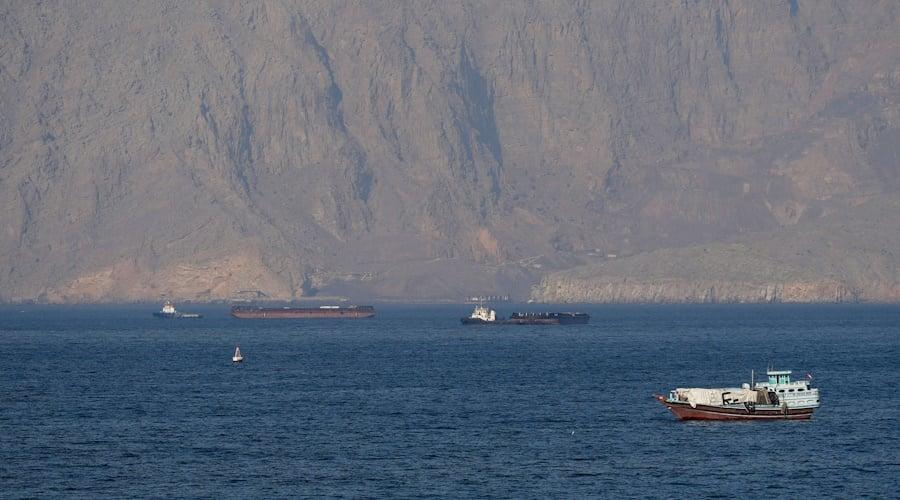
The Radio Free Europe/Radio Liberty account tied the nuclear diplomacy to the Strait of Hormuz dispute, saying Tehran effectively closed the strait and has said it will begin charging tolls through the international waterway after US-Israeli air strikes were paused as part of a cease-fire.
In the same Radio Free Europe/Radio Liberty report, China’s UN envoy criticized a proposed US-Bahraini resolution on the Strait of Hormuz, saying: "We don't think the content is right, and the timing is not right."
UAE rejects Tehran
The UAE rejected what it called Tehran’s “attempts to justify” its attacks on Gulf countries after Iran accused Abu Dhabi of being an “active partner” in the US military campaign, with the Radio Free Europe/Radio Liberty report quoting the UAE Minister of State Khalifa bin Shaheen Al Marar.
In that statement released on May 15, Marar said the UAE affirmed its "categorical rejection of Iranian claims and attempts to justify Iranian terrorist attacks."
The same Radio Free Europe/Radio Liberty report said Iranian Foreign Minister Abbas Araqchi wrote on Telegram that the UAE has been "an active partner" in what he called "US aggression," and it described Araqchi pointing to “consequences” of Iranian air strikes on US military bases in the country’s territory.
The BBC also framed the wider negotiation context by saying Pakistan has been playing the role of mediator, while both sides appear far apart after rejecting each other’s most recent proposals to end the war.
Guarantees, blockade, and talks
Iran’s position in the negotiations was presented through competing messages about Washington’s response and the conditions for returning to talks, with IranWire saying Trump stated he is “agreeable” to a 20-year suspension provided Tehran offers a “real commitment.”
IranWire quoted Trump saying: "Twenty years is enough, but the level of guarantee provided by them must truly be a real commitment for those 20 years."
IranWire also reported that Abbas Araghchi said Iran has received messages from Washington indicating the U.S. is willing to continue negotiations, while Araghchi expressed doubt and said: "As soon as we feel and ensure they are serious and ready for a fair deal, we will return to the negotiations."
Separately, the Radio Free Europe/Radio Liberty report said the United States imposed a naval blockade on Iran in mid-April, about six weeks after the start of the US-Israeli war with Iran on February 28, and it described the blockade as part of the pressure surrounding the Strait of Hormuz dispute.
More on Iran

Israel Kills Seven in Lebanon as Israel-Lebanon Ceasefire Extended 45 Days in Washington
15 sources compared

BRICS Foreign Ministers End New Delhi Talks Without Joint Declaration Over Iran War Dispute
12 sources compared
Iranian Military Seizes Honduras-Flagged Hui Chuan Near Strait of Hormuz, U.K. Says
16 sources compared
Iran Seizes Honduras-Flagged Hui Chuan Floating Armoury Near Fujairah
11 sources compared