USA29 November, 20252 min read
Trump Says He Will Pardon Convicted Drug Trafficker Ex-President Juan Orlando Hernández On Eve Of Honduran Election
Trump pledged a full and complete pardon for former Honduran president Juan Orlando Hernández Hernández was convicted in 2024 and sentenced to 45 years for drug trafficking
77 outlets told this the same way.
Outlets did split on Trump Interrupted by Protesters at San Antonio Rally for Ken Paxton →
Trump's pardon of Hernández
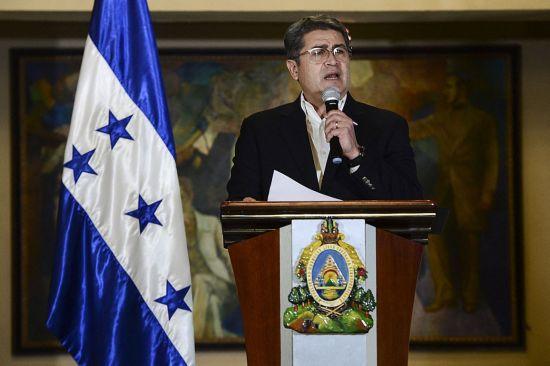
President Donald Trump announced on social media he will grant a "full and complete pardon" to former Honduran president Juan Orlando Hernández, who was extradited to the United States in 2022, convicted in New York in March 2024 on drug‑trafficking and weapons charges, and later sentenced to 45 years. Trump posted the pledge on Truth Social, saying advisers he "greatly respect" or who told him Hernández was "treated very harshly and unfairly" influenced his decision, and the post prompted immediate news coverage across outlets. The announcement was widely reported as coming just days before Honduras’s presidential election, making the timing a central element of coverage.
“President Donald Trump announced he will pardon former Honduran President Juan Orlando Hernández... Trump said advisers told him Hernández was ‘treated very harshly and unfairly.’”
Pardon and election influence
The pardon announcement came in the immediate lead-up to Honduras's closely watched presidential vote and was accompanied by Trump's public endorsement of National Party candidate Nasry 'Tito' Asfura. Trump also warned that U.S. support could be withheld if Asfura loses, and media framed the move as politically charged, with some outlets calling it direct U.S. involvement in a sovereign election and others linking it to his broader regional messaging about Venezuela and leftist influence. Several reports noted Asfura welcomed the backing, while rivals and critics accused the U.S. of improper interference.
Hernández criminal case overview
U.S. prosecutors and legal reporting emphasized that Hernández facilitated shipments of hundreds of tons of cocaine to the U.S., accepted millions in bribes, and used state institutions to shield traffickers. Some outlets summarized that portrait by calling the situation a 'narco-state'.
“Former Honduran president Juan Orlando Hernández was accused at trial of using police and military forces to help move more than 400 tonnes of cocaine to the United States...”
Hernández denied the allegations, but cooperating witnesses and prosecutors' testimony were central to his 2024 conviction and the 45-year sentence. Coverage included quotes from U.S. officials, including Attorney General Merrick Garland, describing an abuse of power.
Pardon amid U.S. anti‑drug
Observers placed the pardon against a backdrop of stepped‑up U.S. anti‑drug operations in the Caribbean and strong rhetoric toward Venezuela. Several reports noted that the U.S. authorized strikes on suspected drug‑smuggling vessels, increased naval deployments and labeled some cartel networks as foreign terrorist organizations.
Some sources say those actions have resulted in dozens of deaths and raised human‑rights concerns. Commentators and human‑rights groups warned that pardoning a convicted leader alleged to have helped traffickers could undercut those operations and U.S. credibility in prosecuting cross‑border trafficking.
Reactions to the pardon
Critics, including human-rights groups, former officials and some U.S. lawmakers, warned the pardon would undermine anti-corruption and anti-narcotics efforts, damage U.S. credibility and politicize justice. Supporters and Hernández's family hailed the move as correcting an injustice. Some news reports quoted Hernández's wife and lawyer thanking Trump and calling the prosecution politically motivated.
“The promise... drew sharp criticism from Democrats, former officials and law‑enforcement experts — including Reps. Joaquin Castro and Norma Torres... who said a pardon would undercut U.S. credibility...”
Other reports ran statements from U.S. officials and analysts who said a pardon risks eroding cross-border cooperation. Legal experts noted a U.S. presidential pardon would erase federal convictions but would not necessarily stop local prosecutions.