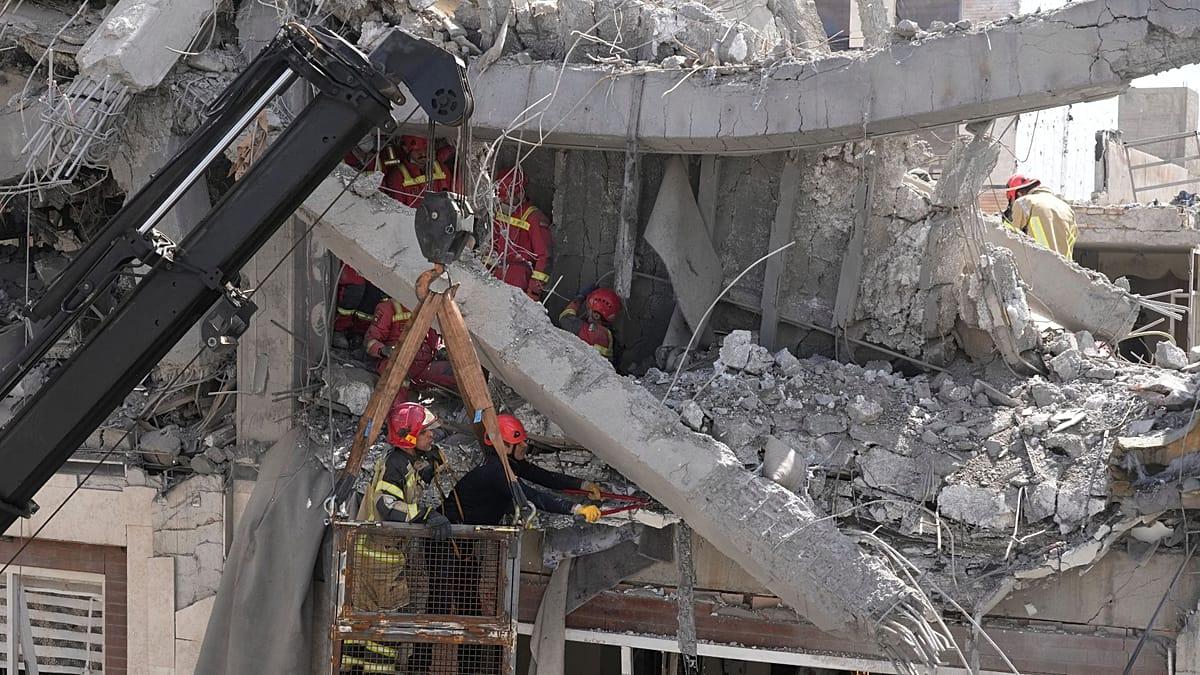
Iran Delivers New Peace Proposal to United States via Pakistan as Trump Says He’s Not Satisfied
Key Takeaways
- Iran delivers a new peace proposal to the United States via Pakistan mediator.
- The proposal's text was handed to Islamabad, per IRNA.
- Trump says he is not satisfied with Iran's latest proposal.
New proposal, old standoff
Iran delivered a new proposal for peace talks to the United States via Pakistan as negotiations remained frozen despite a weeks-long ceasefire, according to multiple reports.
“Donald Trump has said that he is “not satisfied” with Iran’s latest peace proposal to end the war which has killed thousands and triggered a global energy crisis”
Al Jazeera said an Iranian diplomatic source told the channel that Iran’s government submitted a new proposal to Pakistani mediators on Thursday, while a Pakistani official told Reuters that it had been received and forwarded to the United States.

The Guardian similarly reported that Iran “handed the offer to Pakistan on Thursday night, to pass on to Washington,” while noting that “the contents were not immediately clear.”
In Washington, Donald Trump told reporters he was “not satisfied” with the latest Iranian proposal, saying, “They want to make a deal, I’m not satisfied with it, so we’ll see what happens.”
The Guardian added that Trump said his options remained “either blast them away or make a deal,” and Reuters’ reporting also framed Trump’s position as uncertain whether a deal would be reached.
The standoff has been sustained by a ceasefire that Al Jazeera said has been in place since April 8, freezing hostilities that began on February 28 after the US-Israeli attack on Iran.
The same ceasefire context was echoed by CNA, which said the war launched on Feb 28 has been on hold since Apr 8 and that only one failed round of direct talks had taken place between Iranian and US representatives.
Why talks stalled
The new proposal arrived after stalled talks and a widening dispute over how negotiations should proceed, with both sides tying the diplomatic track to leverage around the Strait of Hormuz.
Al Jazeera said negotiations to end the war had been stalled for weeks, adding that talks in Islamabad began on April 11 and lasted for more than 21 hours but “failed to produce even a basic framework for further discussions.”

The Guardian described an earlier all-night negotiation session in Islamabad in April as the “highest-level engagement between the two sides since the 1979 revolution,” but said Tehran and Washington “hardened their positions” after the US “abruptly walked out.”
In the background, Al Jazeera said the international community remained eager for a deal that would “reopen the Strait of Hormuz,” through which “20 percent of the world’s shipments of oil and liquefied natural gas usually flow.”
CNA reported that Iran maintained its “stranglehold on the Strait of Hormuz,” cutting off “vast amounts of oil, gas and fertiliser from the world economy,” while the United States imposed a “counterblockade on Iranian ports.”
Against that backdrop, Trump’s public demands centered on nuclear constraints, with Al Jazeera saying Trump “has repeatedly said that any deal with Iran must guarantee it will not pursue a nuclear weapon.”
The New York Times added that Iran’s state news agency reported the proposal was sent to Pakistani mediators on Thursday evening, and that two senior Iranian officials said it removed a previous condition requiring Trump to lift the sea blockade before face-to-face talks.
Threats, diplomacy, and retaliation
While Trump publicly signaled impatience with the proposal, Iranian officials framed diplomacy as conditional on changes to US posture, and other voices described the conflict’s endgame as a contest over face-saving and leverage.
“Skip to main content Updated 7 hours ago - World Iran offers new response on draft peace deal, Trump "not satisfied" Barak Ravid email (opens in new window) sms (opens in new window) facebook (opens in new window) twitter (opens in new window) linkedin (opens in new window) bluesky (opens in new window) Add Axios as your preferred source to see more of our stories on Google”
Al Jazeera reported that Trump said he would “blast them away” if negotiations failed and added, “They’re asking for things I can’t agree to,” while also warning that a resumption of conflict might be necessary.
Al Jazeera also quoted Iranian Foreign Minister Abbas Araghchi saying Tehran is open to diplomacy if Washington alters what he described as its “threatening rhetoric” and “expansionist approach.”
In the same report, Sultan Barakat, a senior professor in public policy at Hamad Bin Khalifa University in Qatar, told Al Jazeera that “Both sides are really desperate to bring an end to this war in a way that allows them to save face,” and he said Tehran’s decision not to attack US warships in the blockade showed a desire for a deal.
CNA added a different strand of messaging by quoting judiciary chief Gholamhossein Mohseni Ejei saying, “the Islamic Republic has never shied away from negotiations,” while also insisting, “we certainly do not accept imposition,” and stating, “We do not welcome war in any way; we do not want war, we do not want its continuation.”
Reuters’ framing of Trump’s stance was echoed by The Guardian, which said Trump told reporters “Right now, we have talks going on, they’re not getting there,” and that he would prefer not to take the first option “on a human basis.”
CBS News described a warning from a senior Iranian commander that any new US attacks would draw “sustained, wide-ranging, and painful retaliation,” placing the threat of renewed violence alongside the diplomatic exchange.
War powers and competing narratives
As diplomacy stalled, a parallel dispute over whether the US president must seek congressional authorization for continued hostilities shaped the political narrative around the ceasefire.
CBS News said Trump told congressional leaders that addressing the war “under a decades-old law meant to limit the use of military force without authorization from Congress,” and it described a 1973 federal law requiring the president to end military hostilities not authorized by Congress within 60 days.

CBS News reported that Friday marked the 60th day since Trump formally notified lawmakers about the Iran war, but that the administration’s position was that “the clock isn’t ticking on the 60-day time limit because the U.S. and Iran have been in a ceasefire since early April.”
It added that “There has been no exchange of fire between the United States Forces and Iran since April 7, 2026,” quoting Trump’s letters to House Speaker Mike Johnson and GOP Sen. Chuck Grassley.
The Guardian similarly said Trump waved off a Friday deadline imposed by the war powers act, requiring congressional authorization to continue hostilities beyond 60 days, and it described Trump’s argument that the ceasefire “paused the 60-day clock.”
In contrast, CBS News quoted Senate Minority Leader Chuck Schumer pushing back on Trump’s view that “hostilities” with Iran are over, writing on X: “That’s bulls***,” and saying “This is an illegal war and every day Republicans remain complicit and allow it to continue is another day lives are endangered, chaos erupts, and prices increase, all while Americans foot the bill.”
The dispute over the war’s status also intersected with the blockade and shipping restrictions, with CNA saying the hostilities that began on Saturday, Feb 28 had terminated “For War Powers Resolution purposes,” while the same report described Iran’s economic pressure and the US blockade’s impact.
Markets, sanctions, and next steps
The consequences of the ceasefire-and-blockade standoff are reflected in economic pressure, legal deadlines, and the continued effort to manage shipping through the Strait of Hormuz.
“TEHRAN: Iran delivered a new proposal for peace talks with the US via mediator Pakistan, state media reported on Friday (May 1), with negotiations between the two sides frozen despite a weeks-long ceasefire”
CNA reported that the lack of fighting “has not assuaged markets,” with oil prices “still more than 50 per cent above their prewar levels,” while the European Central Bank held interest rates amid fears of soaring inflation.

It also said that on Thursday the US military stated its blockade had stopped Iran from exporting “US$6 billion worth of oil,” and that inflation in Iran had reached “53.7 per cent” in recent weeks.
Euronews reported that oil prices were still roughly “50% above their pre-war levels” and that the US imposed new sanctions on “three Iranian foreign currency exchange firms” on Friday, while the Treasury warned others that paying a “toll” to Tehran for safe passage through the Strait of Hormuz could trigger sanctions.
DW reported that the US State Department approved military sales totaling “over $8.6 billion (€7.3 billion)” to Israel, Qatar, Kuwait and the UAE, while also describing the continued blockade of the Strait of Hormuz.
In parallel, CNA said the US was launching its own international coalition to restart shipping, dubbed “the Maritime Freedom Construct,” and it reported that French Foreign Minister Jean-Noel Barrot insisted the US mission would “complement and not compete with each other.”
Looking ahead, Al Jazeera said Trump threatened that a resumption of conflict might be necessary if negotiations failed, while The Guardian said Trump’s options remained “either blast them away or make a deal.”
More on Iran
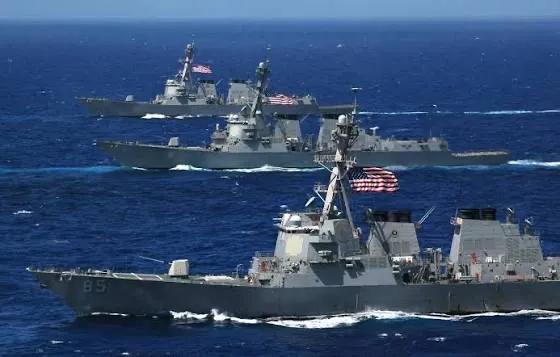
U.S. Navy Awards Domino Data Lab Nearly $100 Million to Detect Iranian Mines in Strait of Hormuz
10 sources compared
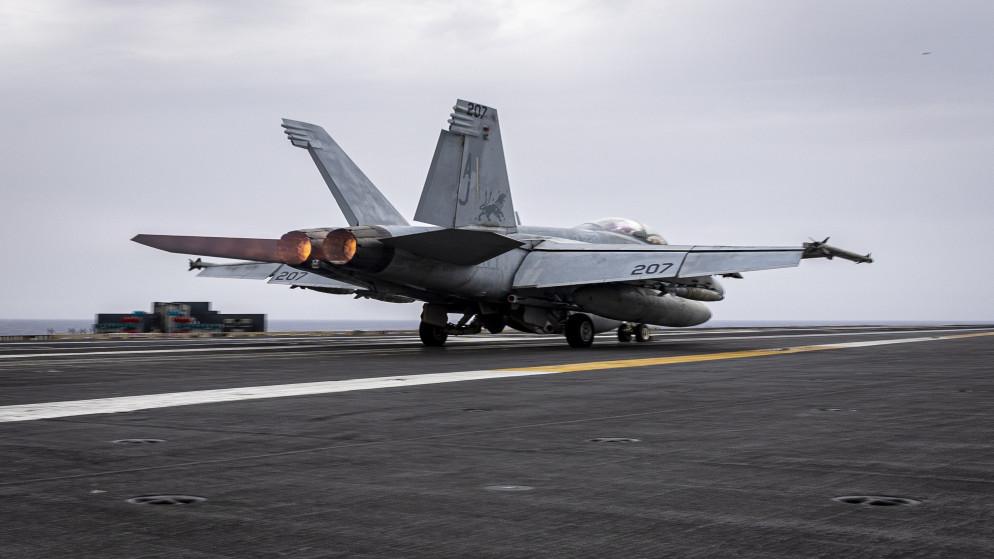
Trump Tells Congress Iran Hostilities Have Terminated Ahead of May 1 War Powers Deadline
20 sources compared

Trump Tells Congress Iran War Has Terminated, Skirting War Powers Deadline
14 sources compared
Iran War Halts Strait of Hormuz Shipping, Yara Chief Warns of Global Fertiliser Squeeze
15 sources compared