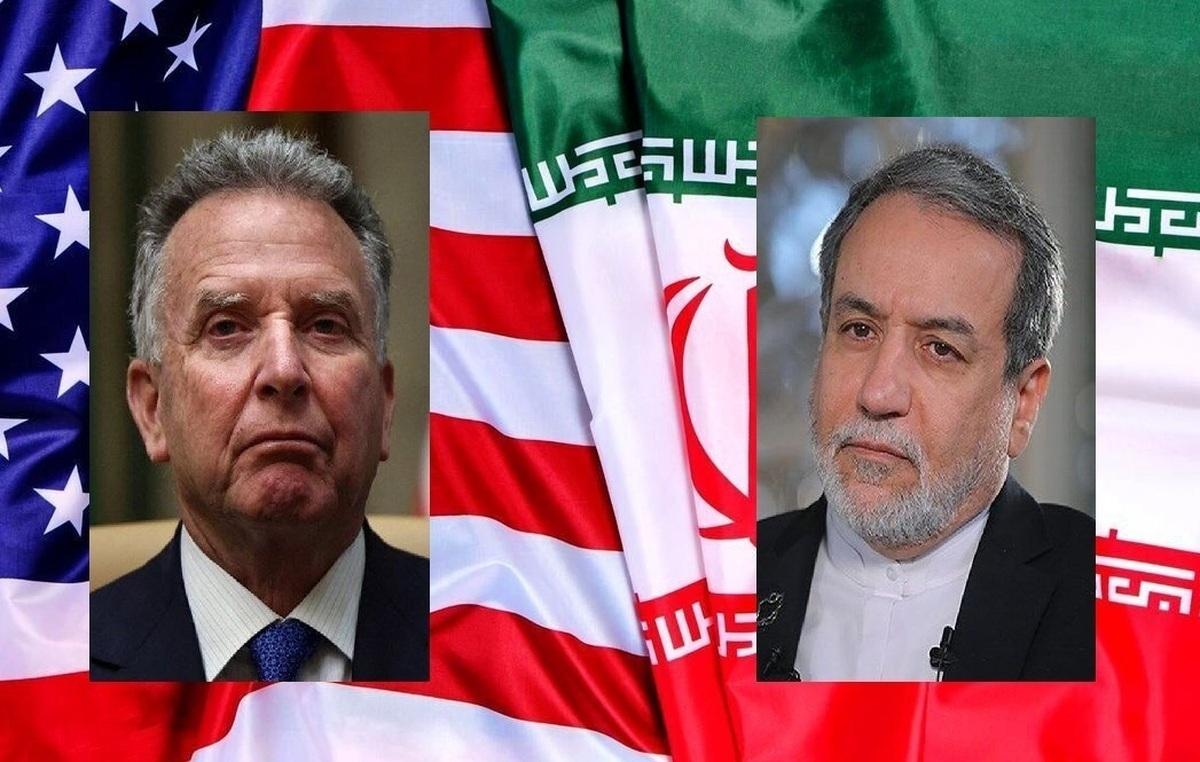
Trump Says Iran Agreed To Stop Funding Hamas And Hezbollah, Remove Enriched Uranium
Key Takeaways
- Iran has agreed to stop funding Hamas and Hezbollah.
- Iran agreed to remove enriched uranium; retrieval to involve the United States, no ground troops.
- Claims originate from Trump's CBS interview; outlets cite it as basis for Iran deal.
Deal claims and uranium plan
US President Donald Trump told CBS that Iran has “agreed to everything,” including that it will stop funding Hamas and Hezbollah and will work with the United States “to remove its enriched uranium.”
“President Trump said in a phone interview that has "agreed to everything," and will work with the U”
Trump insisted that “No troops,” would be involved in retrieving the uranium, saying, “our people, together with the Iranians, are going to work together to go get it. And then we'll take it to the United States.”

In the same CBS interview, Trump said the uranium would be brought to the US and that “our people” would be involved, while Iran would be involved in the work of retrieval.
Reuters later reported that Trump denied the United States would release frozen Iranian assets as part of a deal, saying the US would not pay Iran “10 cents” for its enriched uranium.
The Jerusalem Post relayed Trump’s claim that Iran “agreed to everything,” and said Trump insisted “our people” would be involved in the retrieval of Iranian uranium.
The Jerusalem Post also reported that Trump said a meeting between Iran and the US is planned for this weekend, while the current US blockade against Iranian traffic in the Strait of Hormuz would remain until a deal is reached.
Strait of Hormuz reopened
Iran announced it fully reopened the Strait of Hormuz to commercial vessels, but the AP report carried by WSVN said questions lingered about how much freedom ships actually had to transit as Tehran maintained its grip on who got through and threatened to close it again if the US kept in place its blockade of Iranian ships and ports.
WSVN said Iranian Foreign Minister Abbas Araghchi posted on X that ships would use routes designated by the Islamic Republic in coordination with Iranian authorities, and that it was not clear if vessels would have to pay tolls.
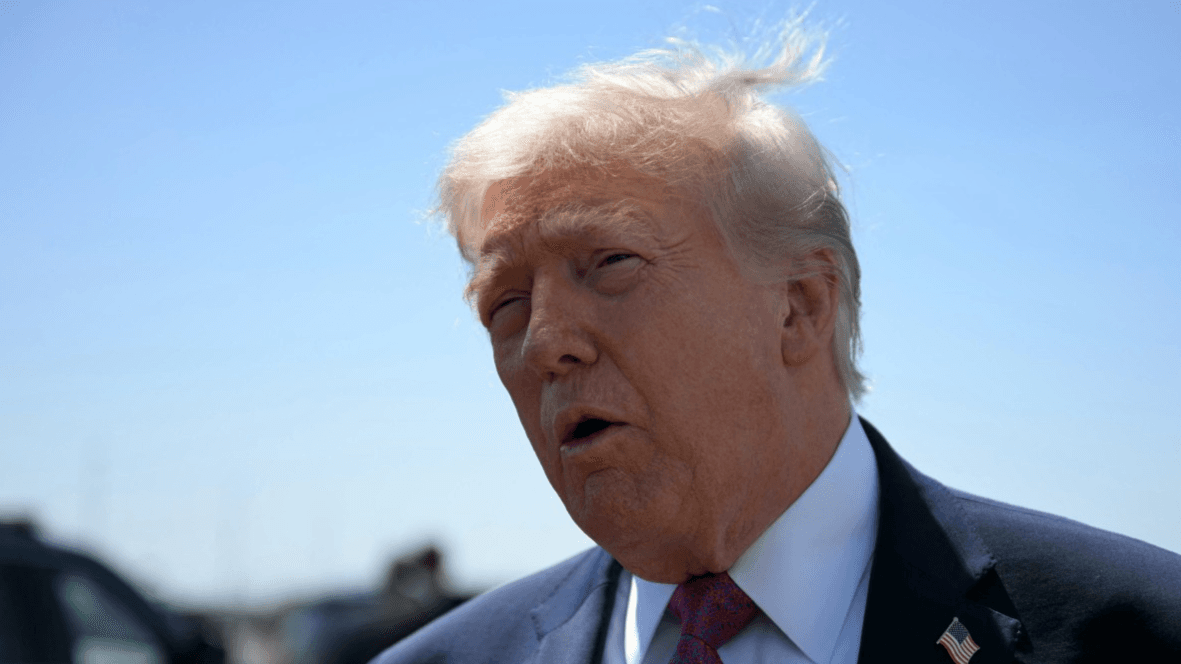
WSVN also reported that Kpler said movement through the strait remained confined to corridors requiring Iran’s approval, while Trump said the American blockade “will remain in full force” until Tehran reaches a deal with the US, including on its nuclear program.
The report said Trump initially celebrated the Iranian announcement by posting that the strait was “fully open and ready for full passage,” but minutes later he issued another post saying the US Navy’s blockade would continue “UNTIL SUCH TIME AS OUR TRANSACTION WITH IRAN IS 100% COMPLETE.”
The Times of Israel also described the dispute over the blockade, quoting Iran’s navy commander Shahram Irani saying Trump “has blockaded his friends” and not Iran, while denouncing it as “piracy and maritime theft.”
In parallel, The Hill described how Iranian officials and Israeli pushback raised doubt about Trump’s claimed successes, including a claim that the Strait of Hormuz would not remain open with the US blockade continuing, citing Mohammad Bagher Qalibaf’s post on X that “will not remain open.”
Competing narratives on funds
The reporting also diverged on whether the United States would release frozen Iranian funds as part of any arrangement.
The Asian outlet chinadailyhk said that one component under discussion was that the United States would release $20 billion in frozen Iranian funds, and it described an exchange in which Iran would give up its stockpile of enriched uranium and would be only allowed to have nuclear research reactors to produce medical isotopes, all above ground.
chinadailyhk also said that in a phone interview with Bloomberg, Trump said a deal to end the conflict was mostly complete, and it quoted Trump saying, “Most of the main points are finalized. It'll go pretty quickly.”
By contrast, CBS News reported that Trump denied the possibility of releasing frozen Iranian assets, quoting him as saying, “No, we are not paying 10 cents.”
The Jerusalem Post similarly said Trump denied reports that the US would be releasing frozen Iranian assets as part of a deal, insisting the US would not pay Iran “10 cents” for its enriched uranium.
The Hill described how Trump celebrated what he said was Iran’s agreement to open the Strait of Hormuz and a ceasefire between Israel and Lebanon, but said conflicting statements from Iranian officials and Israeli pushback on the terms of the ceasefire with Lebanon raised doubt about the president’s actual successes.
Iranian denials and reciprocal measures
Iranian officials pushed back on Trump’s claims about uranium transfer and on the blockade itself, setting up a direct clash of statements.
CBS News reported that within a couple of hours of Trump’s comments, a spokesperson for Iran’s foreign ministry released a statement saying, “Enriched uranium is as sacred to us as Iranian soil and will not be transferred anywhere under any circumstances,” and it added that “transferring uranium to the United States has not been an option.”
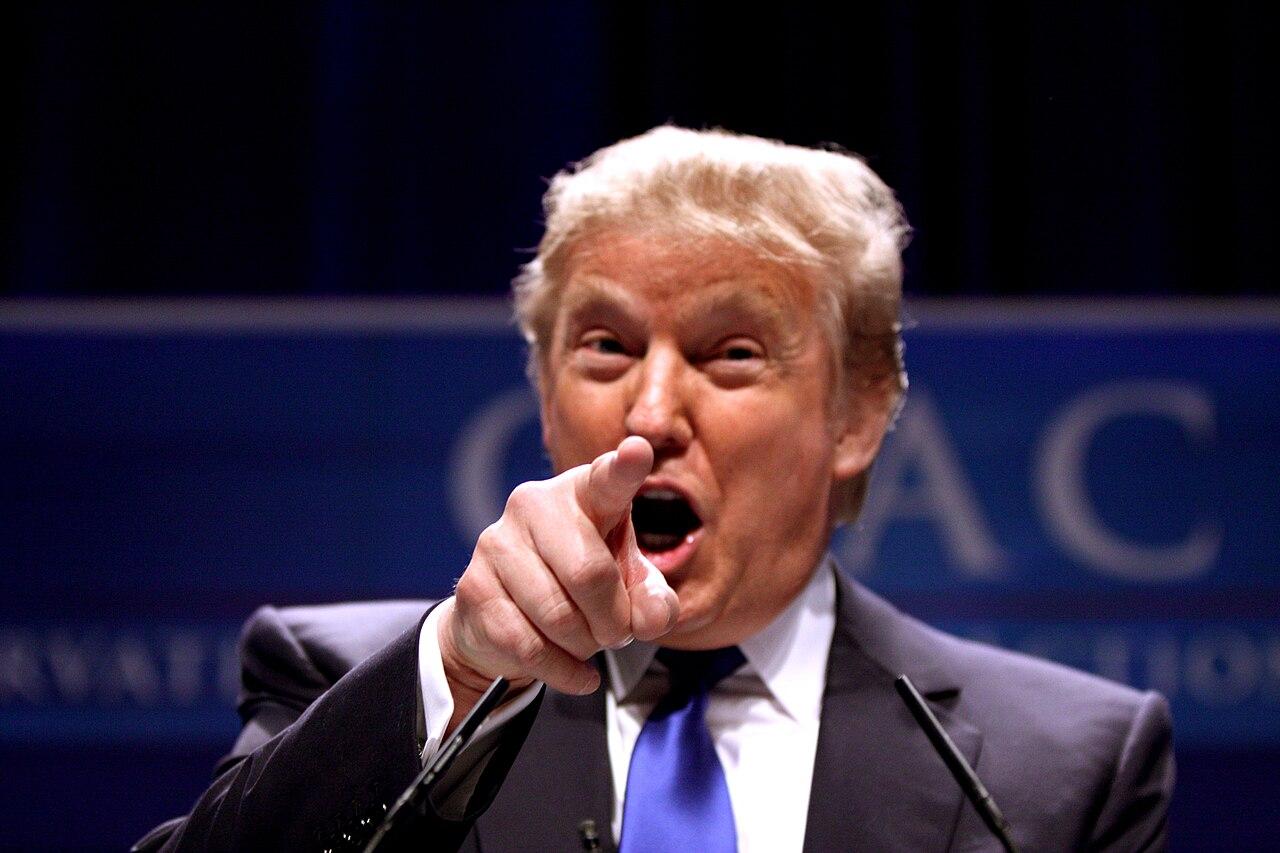
The Times of Israel likewise quoted Iranian foreign ministry spokesman Esmail Baqaei telling state TV, “Iran’s enriched uranium is not going to be transferred anywhere,” and it said the foreign ministry denied an earlier claim by Trump that the Islamic Republic agreed to hand it over.
The Times of Israel also carried comments from Esmail Baghaei saying the strait is still under the supervision of Iran, and that if the US violates its own commitments, then Iran “will take the necessary reciprocal measures,” adding, “No leniency will be shown in this regard.”
The Hill and Washington Examiner both described Iranian parliamentary speaker Mohammad Bagher Qalibaf’s insistence that the blockade would resume and that the Strait of Hormuz “will not remain open,” with the Washington Examiner quoting him as saying, “With the continuation of the blockade, the Strait of Hormuz will not remain open.”
Meanwhile, WSVN reported that Iranian officials said the blockade was a violation of last week’s ceasefire agreement between Iran and the US, and that “The strait ‘will not remain open’ if the blockade continues,” according to the parliamentary speaker’s post on X.
Next steps and what’s at risk
As the negotiations move toward a potential second round, the sources describe a timeline and a set of conditions that could determine whether the conflict de-escalates or returns to fighting.
“byEllen Mitchell,Laura KellyandFilip Timotija04/17/26 06:51 PM ET President Trump sprinted ahead Friday to take a victory lap celebrating what he said was Iran’s agreement to open the Strait of Hormuz and a ceasefire between Israel and Lebanon”
The Jerusalem Post said Trump noted that a meeting between Iran and the US is planned for this weekend, while the current US blockade against Iranian traffic in the Strait of Hormuz would remain until a deal is reached.

chinadailyhk said Trump estimated a deal with Iran would be signed “in the next day or two,” and it said the United States and Iran will probably meet over the weekend to finalize a deal to end the conflict.
WSVN reported that Trump suggested a second round of talks could happen this weekend, quoting him saying, “The Iranians want to meet,” and “I think a meeting will probably take place over the weekend.”
The Hill described how European countries were working on a “plan B” to ensure movement through the Strait of Hormuz, gathering 49 countries in person and virtually for a meeting Friday to discuss plans of action, and it quoted French President Emmanuel Macron saying France and the U.K. would accelerate planning for a “neutral” mission to support and secure merchant vessels transiting the Gulf.
Washington Examiner added that the two-week ceasefire that paused the U.S. and Israeli war against Iran is set to expire Tuesday, and it said it’s unclear whether the two sides will resume offensive operations and retaliatory attacks if a deal is not finalized or the ceasefire is not extended.
More on Iran

Donald Trump Threatens Iran Infrastructure Strike Over Strait Of Hormuz Ceasefire Violations
23 sources compared

Trump Threatens Strikes as Iran Fires on Ships in Strait of Hormuz
11 sources compared
Donald Trump Sends U.S. Delegation to Pakistan for Iran Talks, Threatens Power Plants and Bridges
47 sources compared

Iran Rejects Trump Claims It Will Transfer Enriched Uranium to the United States
21 sources compared