South America08 January, 20263 min read
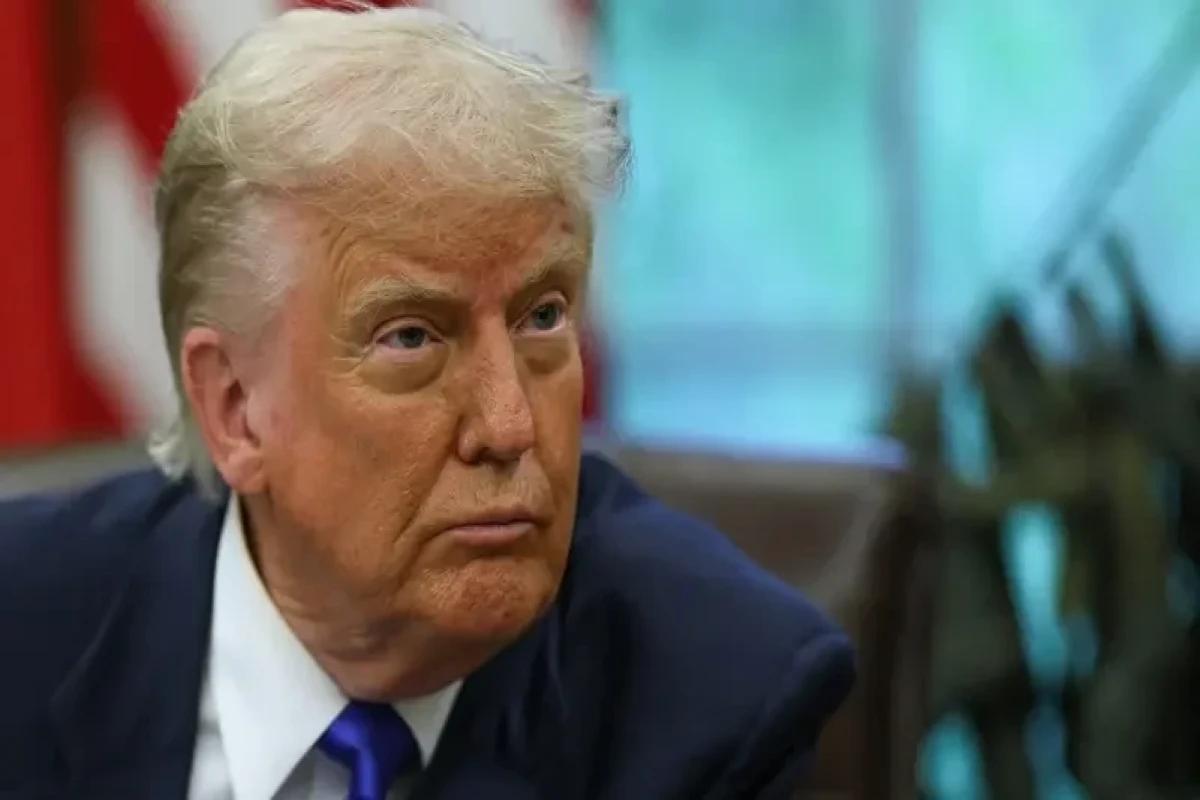
Trump Says United States Will Oversee Venezuela for Years After U.S. Forces Abduct Maduro
U.S. special forces captured Venezuelan President Nicolás Maduro in Caracas. Trump said the United States would oversee Venezuela and control its oil revenue for years.

24 outlets told this the same way.
Outlets did split on Alexandre de Moraes Orders Eduardo Bolsonaro Arrest, Cancels Passport, Enforces Four-Year Sentence →
Maduro removal and fallout
U.S. forces carried out a dramatic overnight operation in Caracas that resulted in the arrest and removal of Venezuelan President Nicolás Maduro and his wife. They were flown to New York to face drug- and weapons-related charges, according to multiple accounts. U.S. officials and Western outlets describe the event as a capture or seizure, while Venezuelan authorities and the Supreme Court condemned it as a kidnapping and reported heavy casualties.
“U.S. troops captured Venezuelan President Nicolás Maduro and his wife Cilia Flores in a dramatic raid—reported to have involved about 150 jets launching from 20 airbases—and flew them to New York to face drug and weapons charges.”
The operation reportedly included bombing of military targets and a large aerial force, and reports on deaths vary sharply. These developments set the scene for President Trump's public statements that the United States will oversee Venezuela for an extended period.

U.S. plans for Venezuelan oil
In a lengthy New York Times interview, President Trump said the United States expects to oversee Venezuela "much longer" than a few months and vowed to "rebuild it in a very profitable way." He repeatedly linked U.S. involvement to control of Venezuelan oil. Trump and U.S. officials outlined plans to refine and sell tens of millions of barrels of Venezuelan crude, variously framed as 30–50 million or up to 50 million barrels held under a U.S. blockade.
They said some proceeds would be returned to the country and that the aim is to use oil revenue to stabilize production and push down global prices. Several outlets reported Trump saying "we're going to be using oil, and we're going to be taking oil," and officials said talks were underway with major oil companies.

U.S. political media split
U.S. domestic political response in coverage is mixed: several outlets note some Republicans are unsettled and that Congress was preparing to consider measures to restrict further military action without authorization, while other reports suggest GOP support for the administration's stabilisation-through-oil approach. Coverage also highlights planned White House engagement with oil companies and executive-branch officials discussing long-term management of Venezuelan production. Those domestic tensions and policy pivots were presented differently depending on outlet focus: U.S. and Western mainstream sources emphasise congressional scrutiny and close votes, while Asian outlets and financial-leaning outlets stress coordination with energy firms.
“Trump's use of force in Venezuela has unsettled some Republicans; the Senate is set to consider a resolution to bar further military action without congressional authorization after close votes on similar measures.”
Regional diplomatic tensions
The raid and Washington’s stated plan to run Venezuela indefinitely have escalated tensions across Latin America while producing mixed diplomatic outcomes. Trump accused Colombian President Gustavo Petro of involvement in drug trafficking and at one point threatened military action and sanctions, prompting Petro to mobilise protests and say he might 'take up arms'. A later cordial, roughly hour-long phone call led to an invitation to the White House and appeared to ease immediate threats.
Some local and regional voices warned the strike could spark wider instability. Coverage vacillates between reporting an eased diplomatic tone after the call and emphasising the deeper regional alarm the operation created.
Coverage of US seizure
Reporting differs on the motives, legal justification and broader implications for Venezuelans and global energy markets. Some outlets frame the U.S. move as a strategic plan to stabilize production and lower prices. They cite meetings with ExxonMobil, ConocoPhillips and Chevron and proposals to manage PDVSA and market output.
“U.S. Energy Secretary Chris Wright said the U.S. needs to control Venezuelan oil sales and is talking with American oil companies about conditions for entering the country and selling Venezuelan crude to U.S. refineries.”
Others emphasise Caracas's accusation that the seizure amounts to "piracy" and warn of potential large civilian casualties. Regional officials also warned the operation could spark a catastrophe.
Coverage varies on specifics such as how many barrels will be sold, whether proceeds will help Venezuelans, and how long U.S. oversight will last. Those divergences reflect source type: business and financial outlets or Western mainstream media prioritise market and policy details, while regional and West Asian outlets foreground casualties and sovereignty violations.