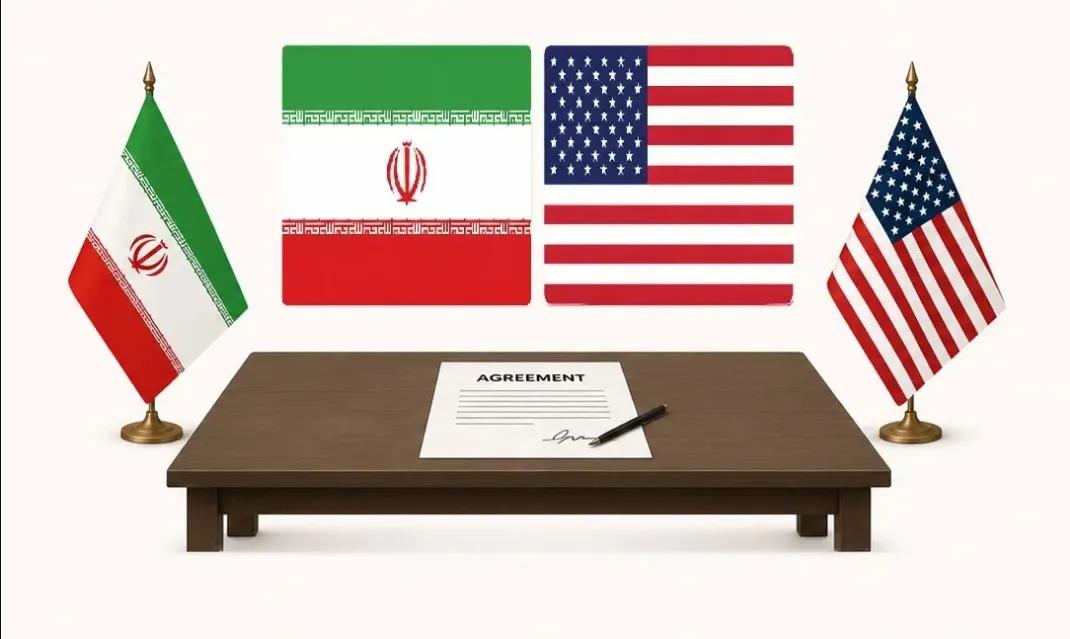
Trump Says U.S. And Iran Will Sign Peace Deal Sunday As U.S. Destroys Iranian Drones
Key Takeaways
- Trump says peace deal to be signed Sunday.
- Iran doubts signing timeline; Tehran cautions timing may slip.
- Strait of Hormuz would be open to all after signing.
Deal Timing Clash
President Donald Trump said the United States and Iran would sign a peace deal on Sunday, and he added in a post that “immediately after it is signed, the Hormuz Strait is OPEN TO ALL.”
Iran’s foreign ministry spokesman Esmaeil Baghaei sought to temper expectations, saying “there were no plans for a Sunday signing” and leaving open the possibility of signing “in the coming days.”

Pakistan’s mediation also shaped the timeline, with Pakistani Prime Minister Shehbaz Sharif saying the country was preparing for “the electronic signing of the peace deal” followed by “technical level talks next week.”
Even as the deal talk advanced, U.S. forces intercepted and destroyed Iranian attack drones targeting commercial vessels in the Strait of Hormuz, underscoring the fragility of the moment described by the reporting.
Protests and Drone Fire
Hardline opposition inside Iran surfaced as protests erupted outside a foreign ministry office in Mashhad, with women in black chadors chanting “death to dishonorable Araghchi, the infiltrator” in a video shared by Iran’s semi-official Fars news agency.
The protests came as Iran’s foreign ministry spokesman Esmaeil Baghaei cautioned that the deal timing was uncertain, while Trump’s public push for a Sunday signing continued.

In parallel, the U.S. shot down Iranian attack drones in the Strait of Hormuz, with Centcom saying “The international trade corridor remains open for transit,” after the drones were described as a threat to commercial traffic.
Trump also reacted to the drone episode with a warning posted on Friday, saying Tehran “better get their act together, and FAST!” as the peace talks proceeded.
What’s at Stake Next
The emerging framework described in the reporting centers on a 60-day cease-fire and a sequence in which reopening the Strait of Hormuz and lifting the U.S. naval blockade on Iranian ports would come first, followed by negotiations over Iran’s nuclear program.
A senior U.S. administration official said the proposed agreement would extend the cease-fire for 60 days, and during that period both sides would commit to holding detailed negotiations over Iran’s nuclear program and over lifting U.S. sanctions on Iran.
The stakes also include how the Strait of Hormuz would be managed after the memorandum is signed, with the Guardian reporting that Araqchi said transit would be under Iranian management and that “Our sword will always hang over the strait of Hormuz.”
Beyond the immediate maritime corridor, the reporting links the deal to Lebanon, where Israel and Hezbollah have been at war for more than 100 days, and Iranian officials want the broader regional peace settlement to include that fighting.
More on Iran

Trump Says U.S.-Iran Memorandum Will Be Signed Sunday, Strait of Hormuz Reopens
10 sources compared

Donald Trump Says U.S.-Iran Deal Will Be Signed Sunday, Strait of Hormuz Reopening
16 sources compared

Trump Says U.S.-Iran Memorandum Will Be Signed Sunday as U.S. Shoots Down Iranian Drones
11 sources compared

Donald Trump Says U.S.-Iran Memorandum Will Be Signed Sunday, Strait of Hormuz To Reopen
12 sources compared