
Trump Says U.S. Expects a Great Deal With Iran, Won’t Extend Ceasefire Deadline
Key Takeaways
- Trump expects the United States to reach a great deal with Iran.
- He says extending the ceasefire is highly unlikely as the deadline nears.
- No deal likely triggers resumed bombing; Trump says the military is ready.
Ceasefire Nears End
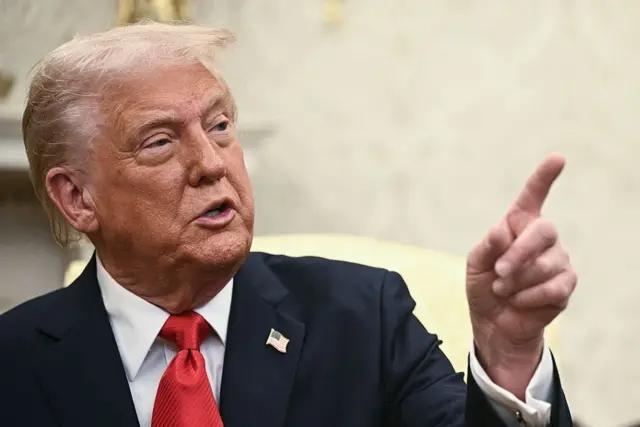
As a two-week U.S.-Iran ceasefire neared its end, President Donald Trump told CNBC that he expects the United States to “end up with a great deal” with Iran and said he does not anticipate extending the truce due to expire on Wednesday.
“Trump says he expects "great deal" with Iran, unlikely to extend ceasefire [](https://subscribe”
Trump said, “I think they have no choice,” adding, “We’ve taken out their leaders, frankly, which does complicate things in one way, but these leaders are much more rational.”

In parallel, the BBC reported that Trump said he “expects to be bombing” if no progress is made in the Iran talks, and CNN described Trump reiterating that he does not want to extend the new Iran ceasefire deadline of Wednesday evening ET.
The New York Times reported that time was running out on the two-week cease-fire and that it remained unclear when Iranian or American officials would even show up as the deadline approached.
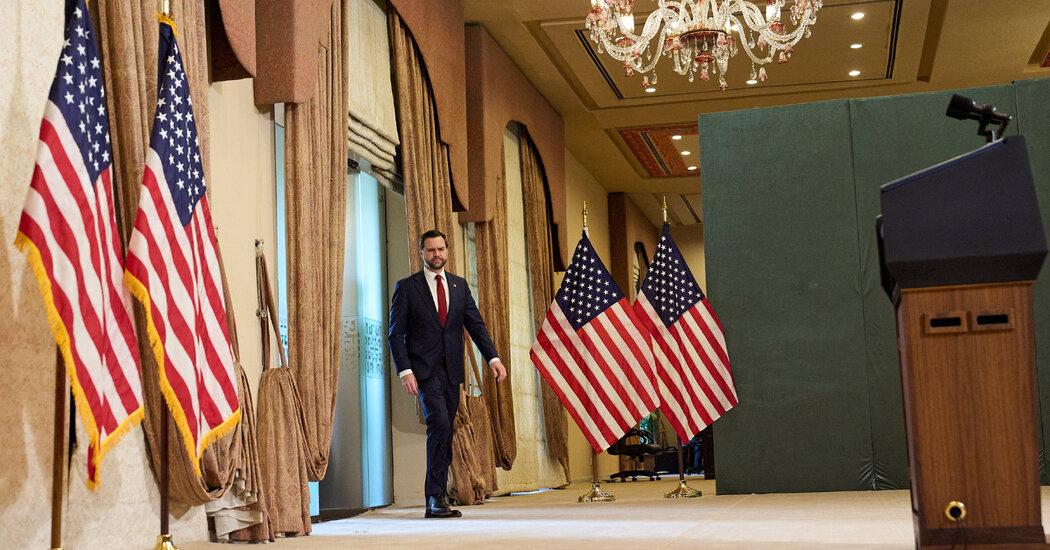
NBC News said Vice President JD Vance “will likely head to Islamabad today for negotiations,” while also stressing that “it’s unclear whether or when Vice President Vance will depart Washington for Islamabad.”
Across the reporting, the ceasefire’s exact expiration time also varied: NBC News said Trump claims it ends Wednesday evening Washington time, while Pakistan said it expects it ends at 4:50 a.m. PST (Pakistan Standard Time) on April 22.
CNN similarly said Pakistan’s information minister Attaullah Tarar stated the ceasefire ends at “4:50 a.m. Pakistan time Wednesday (7:50 p.m. ET today).”
Talks in Islamabad Uncertain
While the U.S. signaled readiness for renewed diplomacy, Iran had not confirmed it would attend talks in Pakistan, leaving the Islamabad round in doubt as the ceasefire deadline approached.
The New York Times reported that Iran “has not publicly confirmed that its negotiators will attend,” and said Iran’s lead negotiator, Mohammad Bagher Ghalibaf, stated on Monday that Iran would not attend under “the shadow of threats.”
NBC News similarly said Iran “won't confirm it will attend peace talks,” while CNN reported that “Iran has still not confirmed if it will be attending peace talks in Pakistan this week.”
Pakistan’s mediating role became more prominent in the reporting: the New York Times said Pakistan was ready for the next round of talks between the United States and Iran, but it remained unclear when officials would show up.
CNN quoted Pakistani Information Minister Attaullah Tarar saying, “A ‘formal response from Iranian side about confirmation of delegation to attend Islamabad Peace Talks is still awaited’,” and added that Pakistan was “in constant touch with Iranians and pursuing the path of diplomacy and dialogue.”
TRT World described the venue as “the venue for the second round of US-Iran peace talks expected this week” at “Islamabad's Serena Hotel,” while stating Iran demanded “the lifting of the US naval blockade on its ports as a precondition.”
The BBC reported that Iran’s foreign ministry spokesman, Esmaeil Baghaei, told it that “a decision has still not yet been made for an Iranian delegation to travel to Islamabad,” and that he expressed concern about the U.S. naval blockade and seizure of an Iranian vessel.
Threats and Counter-Threats
As the ceasefire deadline loomed, the reporting showed a sharp clash of messaging: Trump said he expects to resume bombing if talks do not progress, while Iranian officials insisted they would not negotiate under threat and warned of “new cards on the battlefield.”
CNN said Trump reiterated that he does not want to extend the new Iran ceasefire deadline of Wednesday evening ET and said he expects “to be bombing” if a deal isn’t reached.
The Guardian reported Trump told CNBC’s Squawk Box, “I expect to be bombing because I think that’s a better attitude to go in with,” and added, “We’re ready to go. The military is raring to go.”
The Guardian also said Trump replied “I don’t want to do that. We don’t have that much time.”
On the Iranian side, the New York Times reported that Mohammad Bagher Ghalibaf said Iran would not attend under “the shadow of threats,” and Time Magazine quoted Iran’s stance that it will “not negotiate under threat and force.”
The BBC reported Baghaei said Iran had concerns about “President Trump’s threats to destroy Iran’s infrastructure,” and he described the U.S. as lacking “good faith,” while also saying “They're changing their position frequently, these flip flops, threats of war crimes.”
Time Magazine added that Ghalibaf warned Iran was “prepared to reveal new cards on the battlefield,” and it quoted him insisting Iran does not “accept negotiations under the shadow of threats.”
Shipping, Blockade, and Seizures
Beyond diplomacy, the sources tied the standoff to maritime pressure and incidents around the Strait of Hormuz and U.S. naval blockade.
The New York Times reported that the threat of Iranian attacks has “throttled shipping traffic through the strait,” prompting an American blockade of Iranian ports that the U.S. Navy says has forced “28 ships to turn around.”
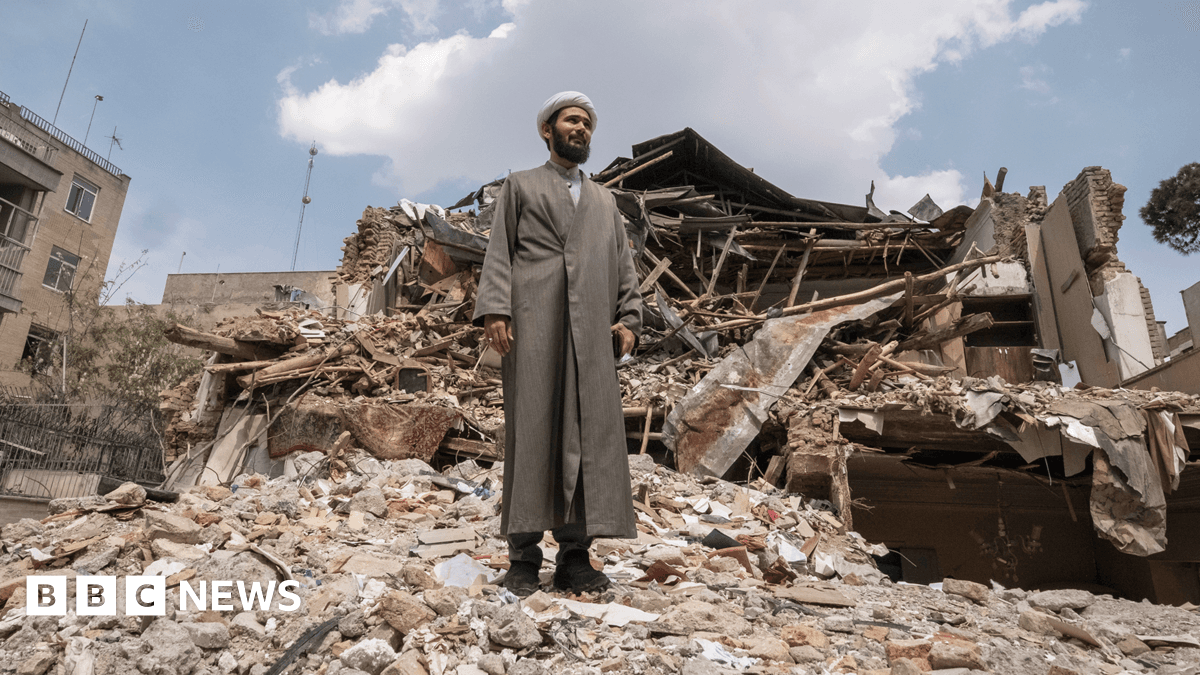
CNN said the U.S. Defense Department reported it boarded a vessel “sanctioned for transporting Iranian oil,” and it came after Iran called for the immediate release of a cargo ship seized by the U.S., vowing retaliation.
NBC News likewise said “U.S. forces boarded another sanctioned tanker overnight,” as part of the effort to disrupt support for Iran, and it described Iran demanding the immediate release of a cargo ship seized by the U.S. and vowing retaliation.
TRT World described a “US-Iran double blockade” in the Strait of Hormuz and said both nations were controlling the waterway through which “some 20 percent of global energy passes.”
Time Magazine said the U.S. Navy began an ocean blockade in the Strait of Hormuz on April 13 to put pressure on the Iranian economy and force the regime to accept a deal, and it said the U.S. agreed to a suspension of strikes on the condition that Iran reopen the Strait of Hormuz to international shipping.
The BBC’s Verify reporting added detail on a tanker and said location data monitoring has limitations because ships can turn their trackers off or attempt to hide their location by “spoofing.”
Energy and Global Stakes
The sources also connected the Iran ceasefire uncertainty to global energy markets and broader economic risk, with multiple outlets quoting officials and analysts about the scale of disruption.
“WASHINGTON, April 21 (Bernama-Xinhua) -- US President Donald Trump said Tuesday he expects the United States to "end up with a great deal" with Iran, adding that he does not anticipate extending the ceasefire due to expire on Wednesday”
The New York Times reported that oil prices rose and stocks faded on Tuesday as uncertainty clouded the possibility of peace talks, and it said Brent crude gained nearly 3 percent to around $98 a barrel.
CNN said European foreign ministers agreed to expand sanctions on Iran in response to Tehran’s restrictions on shipping in the Strait of Hormuz, and it quoted the EU position that freedom of navigation is “non-negotiable.”
The Guardian reported that the standoff has shaken global energy markets and quoted Fatih Birol, head of the International Energy Agency, describing the situation as “the biggest crisis in history,” warning that the combined impact of the conflict’s effects on oil alongside the ongoing Russian gas crisis was without precedent.
Time Magazine similarly said the Iran war has upended the global economy and described the Strait being used as leverage, while quoting the IEA head that the war resulted in the “biggest” energy crisis in history.
TRT World said the paused fighting and the double blockade threatened to deepen the global energy crisis and push the two countries towards renewed conflict, and it described the Strait as a chokepoint through which some 20 percent of global energy passes.
The New York Times also reported that Xi Jinping called for “the reopening of the Strait of Hormuz,” underscoring the war’s impact on Chinese economic interests.
More on Iran
Trump Warns U.S. Will Resume Bombing If Iran Talks Fail Before Ceasefire Deadline
11 sources compared

Reuters/Ipsos Poll Finds 36% Approve Trump’s Job Performance Amid Iran War And Pope Feud
10 sources compared

Iran’s Judiciary Chief Mohseni-Eje’i Warns US-Israeli War Coalition May Strike Again
11 sources compared
Donald Trump Urges Iran To Release Eight Women Facing Execution Ahead Of Talks In Islamabad, Pakistan
12 sources compared