Full story
Hormuz standoff deepens
The Strait of Hormuz remained blocked as Iran disputed U.S. claims of control, with Reuters citing a senior Iranian government source saying, "There has been absolutely no progress on this issue" in efforts to revitalize an interim peace deal reached in June.
“There has been absolutely no progress on this issue”
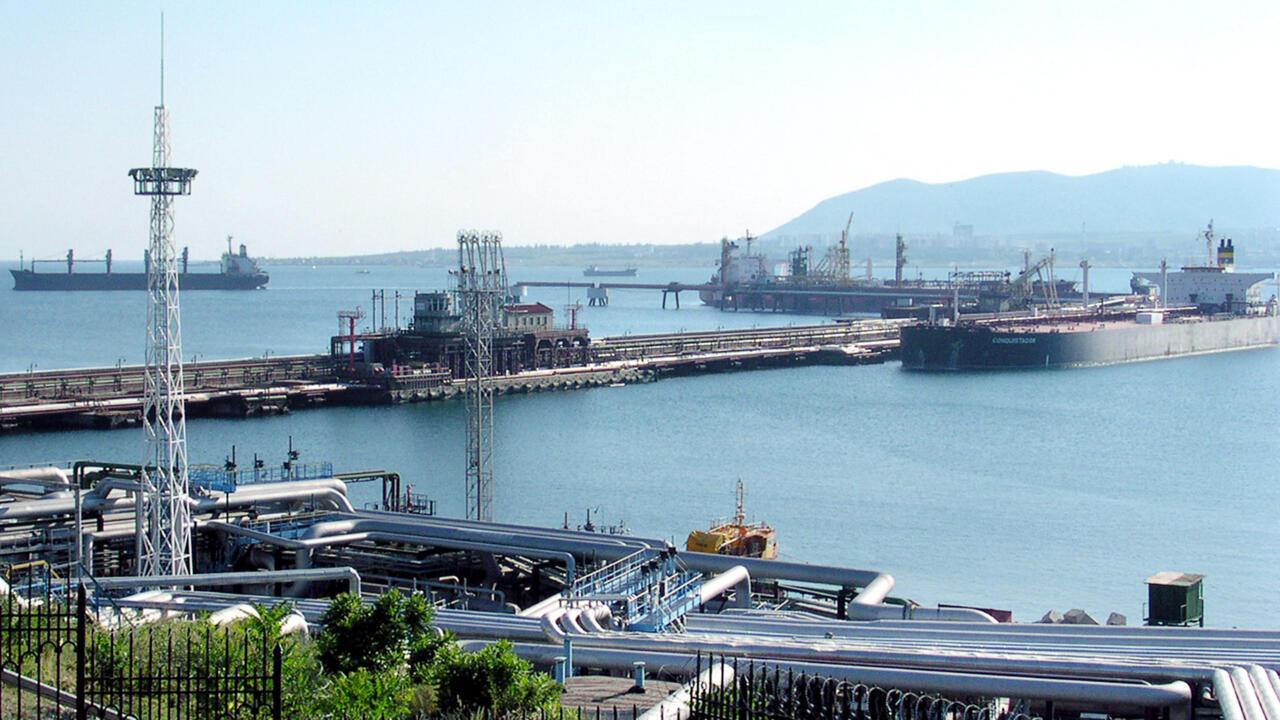
CNBC reported that ship traffic through the Hormuz waterway was near a 3-month low, with vessel transits at a 5-day average of around 13 on Tuesday, nearly the lowest level since May 12.
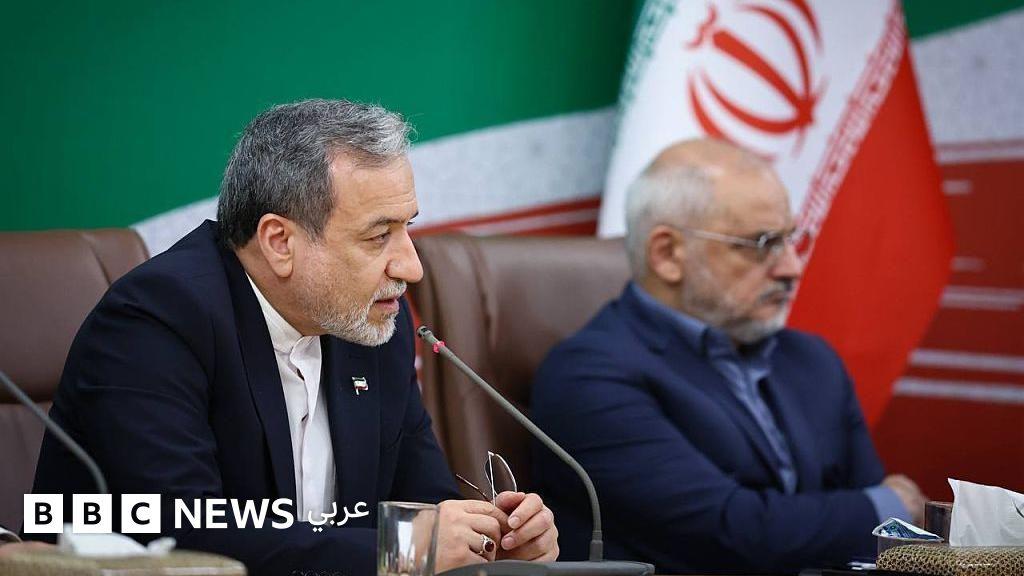
Iranian Foreign Minister Seyed Abbas Araghchi said on X that the U.S. "has long miscalculated due to intelligence failures," after President Donald Trump declared the deal "over" at the NATO summit last month and asserted U.S. control over the waterway.
The dispute unfolded alongside continued warfare in the region, including U.S. forces launching strikes on Iranian targets in retaliation for commercial ships in the Strait of Hormuz coming under attack, and deadly attacks on vessels in the Gulf of Oman and the Red Sea being reported this week.
CNBC also said Iran’s Supreme National Security Council laid out demands over reopening the Strait of Hormuz, including an end to the U.S. naval blockade, sanctions relief, American troop withdrawals and war reparations.
Competing claims and quotes
Iran’s position was echoed in a Reuters-cited senior Iranian source, who told Reuters that discussions with the United States to extend the ceasefire did not take place and that "There is no talk of an extension" from Iran’s point of view.
The BBC also reported that the same Reuters source said the United States violated the temporary agreement "48 hours after it was reached, and withdrew from it a few days later," after Trump said on July 7 that the deal had "ended."

In parallel, Trump insisted on U.S. control, posting on Truth Social that "The United States has total control over the Strait of Hormuz" and that he would "maintain this control".
EFE reported that Trump told reporters at Joint Base Andrews that he had "total control" of the Strait of Hormuz, while Iran’s Mohsen Rezai said the strait would not be reopened until the United States ended the war and naval blockade and released frozen assets.
The BBC further tied the dispute to negotiations that had hinged on conditions such as a ceasefire in Lebanon, freedom of navigation in the Gulf, and waivers for Iran to sell its oil.
Traffic, enforcement, and stakes
As the standoff continued, CNBC said data from Kpler showed ship traffic through the Hormuz waterway near a 3-month low, with traffic about 90% lower than the daily average of 130 ships that transited Hormuz before the U.S. and Israel attacked Iran on Feb. 28.
“Traffic is about 90% lower than the daily average of 130 ships”
The same CNBC report said the U.S. and Iran had hardened their negotiating stances, asking for "reparations" from the other side, while Iran’s Supreme National Security Council demanded an end to the U.S. naval blockade, sanctions relief, American troop withdrawals and war reparations.
In enforcement actions, the BBC reported that U.S. Central Command said that, by Wednesday, August 12, American forces had diverted 59 commercial ships, disabled three vessels, and boarded two ships to ensure compliance with blockade rules.
CNN en Español reported that Mohammad Reza Naqdi told PBS Iran could "prolong" the war until Trump leaves office, arguing that Iran must achieve a deterrent posture and wear down the enemy.
The stakes were framed in the same CNN en Español account as Naqdi’s claim that if vessels travel through a zone outside Iran’s control it "could be that they are carrying supplies for the enemy," linking maritime risk to the broader conflict.