Trump Says US-Iran Deal Largely Negotiated, Includes Strait of Hormuz Opening
Key Takeaways
- Trump says deal with Iran is largely negotiated and would open the Strait of Hormuz.
- A 60-day ceasefire extension and nuclear talks framework are under discussion.
- Trump engages Gulf leaders as talks progress, while top officials meet for strategy.
Deal Momentum, Deadline
US President Donald Trump said on Saturday that an agreement with Iran had been "largely negotiated" and that details would be announced soon, with the deal including "opening of the Strait of Hormuz" without further specifics.
Trump also said he had a "very good call" with the leaders of Saudi Arabia, the United Arab Emirates, Qatar, and others about a "Memorandum of Understanding pertaining to PEACE," and he added that he had a call with Israeli Prime Minister Benjamin Netanyahu that "went very well."
Iran’s foreign ministry spokesperson Esmaeil Baqaei told state television on Saturday that the US and Iranian positions had been converging in the last week, but warned that did not mean agreements would be reached on key issues and accused the Americans of "contradictory statements."
Baqaei said Iran’s plan was to draft a memorandum of understanding "consisting of 14 points" and that further talks could be held within 30 to 60 days before a final agreement could be reached.
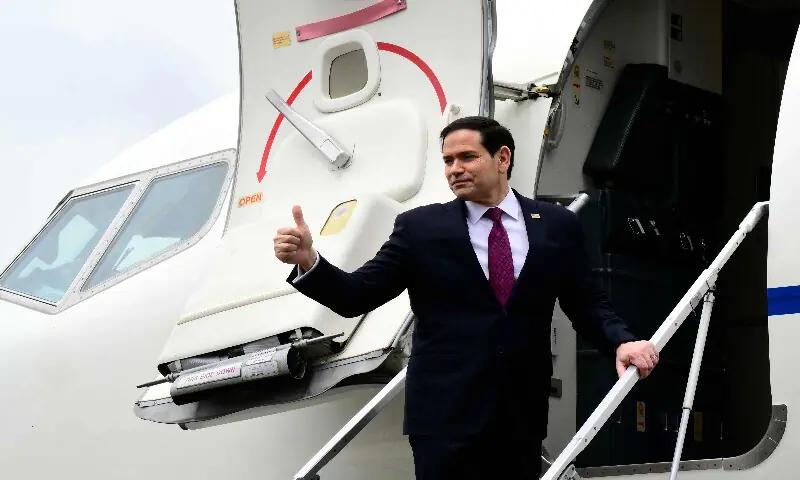
US Secretary of State Marco Rubio, speaking on a trip to India, said there could be news within the next couple of days but he "couldn't be certain," while emphasizing that the US position is that Iran must not be allowed a nuclear weapon.
Ceasefire, Blockade, Talks
The BBC reported that the temporary ceasefire between Iran and the US started in early April and that the US has blockaded Iranian ports since 13 April, while US Central Command (Centcom) said it had redirected 100 vessels, disabled four, and allowed 26 humanitarian aid ships to pass since the blockade began.
Centcom commander Admiral Brad Cooper said its forces had been "highly effective" in "allowing zero trade into and out of Iranian ports which has squeezed Iran economically," as Iran claimed military control of an area around the Strait of Hormuz and said transit requires coordination with and authorisation from the Persian Gulf Strait Authority.

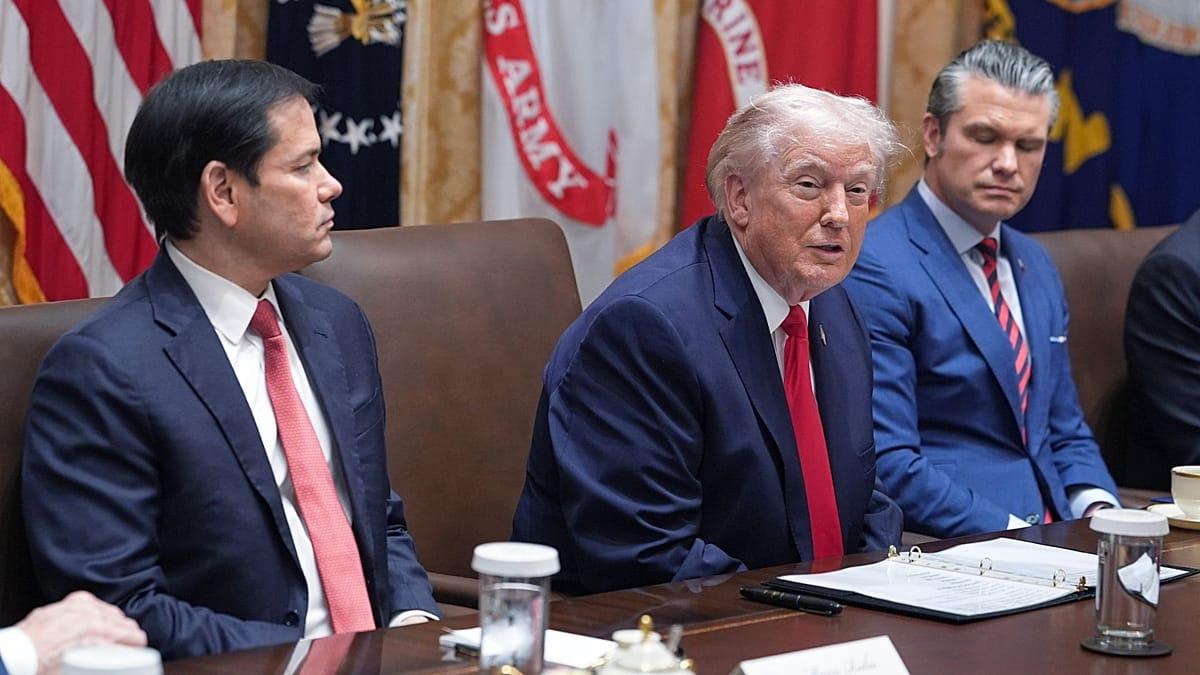
CNN said Trump met Friday with top US national security officials as diplomacy continued, and Secretary of State Marco Rubio told reporters on Saturday that there "might be some news a little later today."
CNN also reported that delegations from Qatar and Pakistan traveled to Tehran in hopes of ending the conflict, and that Pakistan’s Army Chief Asim Munir and Iran’s Foreign Minister Abbas Araghchi met late into the night to discuss "preventing escalation" and ending the conflict.
CNN quoted Iran’s chief negotiator Mohammad Ghalibaf saying, "If Trump makes the mistake of restarting the war, it will definitely be more crushing and bitter for America than the first day of the war," while Rubio said the US wants the Strait of Hormuz opened "without tolls" and Iran to turn over its enriched uranium stockpiles.
Next Steps and Risk
CNN reported that Trump has been presented with options for restarting military action and said he was an hour away from ordering up strikes earlier this week, only to hold back at the request of Gulf nations.
CNN also said Trump scuttled plans to travel to his golf resort in New Jersey for the weekend and confirmed he would not be attending his son’s wedding in the Bahamas, writing on Truth Social that it was due to "circumstances pertaining to Government" and that he would remain in Washington, D.C., at the White House during "this important period of time."
In parallel, the BBC said Trump insisted any agreement would "absolutely" prevent Iran from obtaining a nuclear weapon and that he would "only sign a deal where we get everything we want," adding, "We're going to have a deal, or we're going have a situation where no country will ever be hit as hard as they're about to be hit."
The Guardian’s Simon Tisdall argued that the US president and his secretary of war were planning to "rain more bombs on Iran," and asked "who will stop Donald Trump?" as the war entered its fourth month.
CNBC reported that mediators believe they are nearing a deal to extend the US ceasefire by 60 days and establish a framework for nuclear talks, including a gradual reopening of the Strait of Hormuz and a commitment to discuss Iran's stockpile of enriched uranium.
More on USA

7th Circuit Upholds Illinois Protect Illinois Communities Act Ban on Semiautomatic Guns
12 sources compared

Indiana State Police Trooper Justin Heflin Shot During Pursuit; Suspect Kevin W. Meyers Found Dead
10 sources compared

Donald Trump Fires Election Assistance Commission Members, Leaving No Commissioners
12 sources compared

Eight Accused Of Planning Terror Attack At Casa Blanca UFC Freedom 250 Event
18 sources compared