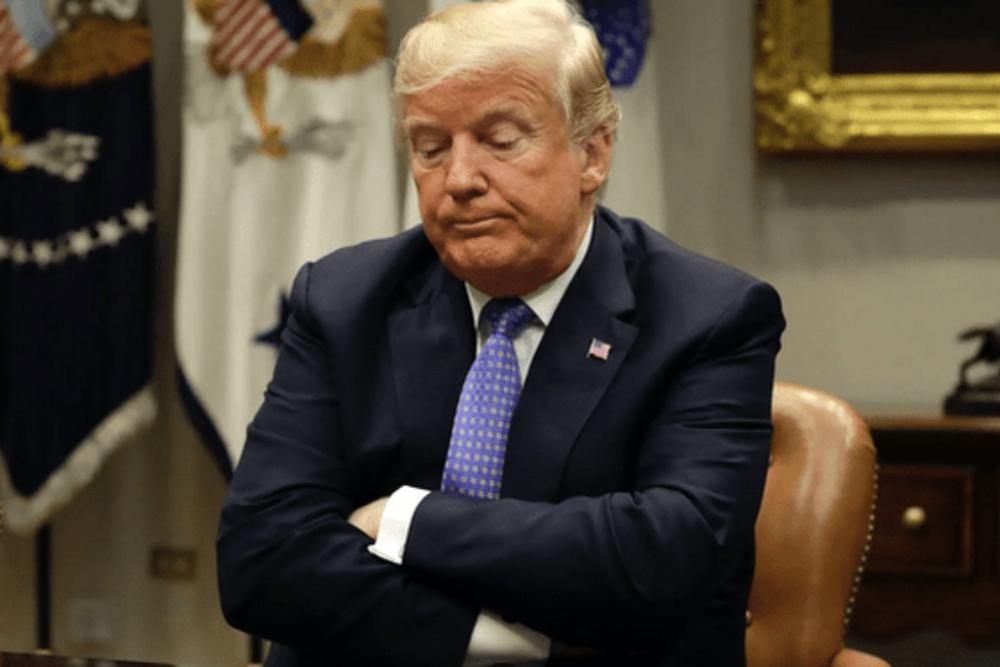
Trump Says US-Iran War Is Near Its End as Naval Blockade Targets Southern Ports
Key Takeaways
- Trump says Iran war is near end as Pakistan pushes for new peace talks.
- Iran state media mocks Trump's peace deal claims as building castles in the air.
- Blockade of Iranian ports remains in place amid ongoing talks.
Near the end, but not done
Donald Trump told Fox Business Insider that the war between the United States and Iran is “very close to its end,” saying, “I think it is near the end, yes. I see it very close to the end.”
“Trump claimed that the US was close to securing a deal that would grant America Iran Ridicules Trump’s Peace Deal Claims As ‘Camel Dreams’, Denies Any Uranium Deal US Iran War Peace Talks: Iran mocks Trump’s ‘free oil’ claim, denies uranium deal, and says US is “building castles in the air” as nuclear talks remain unresolved”
In the same interview, scheduled to air in full early Wednesday, April 15, Washington time, Trump said the United States’ “work is not finished yet,” adding, “If we withdraw now, it would take 20 years to rebuild that country. But we have not finished our work yet.”

The remarks came as reports spread about the possibility of resuming peace talks between American and Iranian officials, with the two sides expected to resume negotiations on Thursday, April 16, after weekend talks in Pakistan had stalled.
Trump also pointed on Tuesday, April 14, to U.S.-Iran talks “progressing slowly,” and he spoke of the possibility of more talks “in the next couple of days” in Islamabad.
Trump told journalist Kaitlin Dornbas, based in Islamabad, that “It’s really better if you stay there, because something could happen in the next couple of days, and we are leaning more toward going there.”
He added, “The likelihood is greater, do you know why? Because the field marshal is doing a great job,” referring to Pakistan’s army chief, General Asim Munir.
The Iran negotiations backdrop included a new escalation: Trump, on Monday, April 13, began a naval blockade of all southern ports of Iran, a move signaling a new escalation in tensions.
What the talks are about
Trump’s optimism about negotiations has been tied to nuclear demands and to the idea that the United States can force concessions without ending pressure.
In the Fox Business interview, he said the move against Iran was necessary to denuclearize Iran, explaining, “I had to change course, because if I hadn't, Iran would now have a nuclear weapon, and if they possessed a nuclear weapon, you would have to address everyone there with the word 'sir,' and that's not something you want to do.'”

The same reporting described U.S. vice president J. D. Vance saying the United States had made its demands clear, with “the ball is now in Iran's court,” and Vance telling Fox’s “Special Report” that “the ball is entirely in their court. If you ask what will happen, I think the Iranians are the ones who will decide that.”
The Washington Post reported that Trump said Thursday that Iran has agreed to hand over “nuclear dust,” describing it as “highly enriched uranium” buried by last year’s U.S. airstrikes, and quoting Trump: “Iran does not have a nuclear weapon, and they’ve agreed to that.”
The Times of Israel reported Trump claimed Tehran has already agreed to give up its stockpile of highly-enriched uranium, saying, “They’ve agreed to give us back the nuclear dust,” while also tying the claim to “a combination of about four weeks of bombing and a very powerful blockade.”
At the same time, the Washington Post emphasized that there was “no immediate confirmation from the Iranian side” and noted that “Previous U.S. claims about Iranian nuclear commitments have turned out to be inaccurate or have fallen through.”
The dispute over uranium commitments has been central to the deadlock after talks in Islamabad, where Vance and Trump’s special envoys held discussions with Iranian officials about Tehran’s nuclear program and enrichment plans.
Iran mocks the claims
Iran has publicly pushed back against Trump’s portrayal of imminent breakthroughs, using state media to frame the U.S. narrative as unrealistic.
The Times of India reported that Iran mocked Trump’s claims of a breakthrough in ongoing negotiations, dismissing it as “building castles in the air,” and cited IRIB sharing a video of Trump saying, “I think we have a very successful negotiation going on right now.”
The same report quoted the Iranian media’s proverb response, “Building castles in the air! Or in Persian we have a similar proverb: 'The camel dreams of cottonseed; sometimes gulping it down, sometimes eating it grain by grain!'”
PGurus described IRIB ridiculing Trump’s “free oil” remarks and again used the same proverb, adding that the broadcaster posted on X: “Building castles in the air!” and “Or in Persian we have a similar proverb: ‘The camel dreams of cottonseed; sometimes gulping it down, sometimes eating it grain by grain!’”
ABP News similarly framed the exchange as Iran ridiculing Trump’s peace deal claims as “Camel Dreams,” and it reported that Iranian officials denied any uranium transfer talks, including a source close to Parliament Speaker Mohammad Bagher Ghalibaf stating that “no such proposal had been discussed.”
In that account, an Iranian source dismissed Trump’s remarks as “another lie,” while emphasizing that “discussions remain incomplete.”
The Washington Post’s reporting on Trump’s “nuclear dust” claim also highlighted the lack of Iranian confirmation, stating there was “no immediate confirmation from the Iranian side that it had made the concession.”
Diplomacy vs blockade
While Trump and U.S. officials have spoken of negotiations resuming and of a war nearing its end, the reporting also shows the United States maintaining pressure through a blockade and military posture.
CNN reported that “US officials said troops in the Middle East are “rearming” and stand ready to resume combat if Iran negotiations fail,” and it said “The US is maintaining a naval blockade in the region.”

CNN also described the ceasefire context in Lebanon as a sticking point in U.S.-Iran negotiations, noting that “The conflict with Hezbollah has been a key sticking point in negotiations on the US-Iran war.”
In parallel, the Fox News report said the U.S. military continues enforcing its blockade on ships traveling to and from Iranian ports, quoting CENTCOM: “U.S. service members continue to monitor and patrol regional waters in support of the U.S. blockade on ships entering or exiting Iranian ports,” and it added that earlier CENTCOM said “10 vessels had been turned around and none had passed U.S. forces since the blockade began Monday.”
The same Fox News report described an Iranian-flagged cargo vessel attempting to pass the blockade after departing Bandar Abbas, exiting the Strait of Hormuz, and traveling along the Iranian coastline, and it said U.S. forces “successfully redirected the vessel back to Iran.”
The Times of Israel reported Trump characterized the blockade as effective, saying the U.S. blockade of Iranian-linked ships through the Strait of Hormuz has been “an effective tool in bringing Iran to the table,” and it quoted Trump saying, “We have a very good relationship with Iran right now… and I think it’s a combination of about four weeks of bombing and a very powerful blockade.”
Across these reports, diplomacy and blockade operate together: talks are discussed as imminent, while the blockade and military readiness continue as leverage.
What happens next
The next phase of the U.S.-Iran confrontation, as described across the sources, hinges on whether talks resume and whether claims about uranium concessions are validated.
Iran’s state broadcaster has rejected Trump’s framing of a near deal, but U.S. officials continue to project momentum, with Trump telling reporters that “We’re very close to making a deal with Iran,” and he said, “We had to make sure that Iran never gets a nuclear weapon... They’ve totally agreed to that.”

The Times of Israel reported Trump said a second round of talks with Iran could take place this weekend, and it quoted him hoping that a temporary extension of the two-week truce set to expire on April 21 would not be necessary.
In parallel, the Iran Interntational report said the two sides were expected to resume negotiations on Thursday, April 16, after weekend talks in Pakistan had stalled, and it described Trump’s view that he would not allow Iran to feel it “has won.”
The Washington Post described the ceasefire timeline as a “two-week ceasefire” nearing its expiration Tuesday, and it said Trump’s claim came as the ceasefire nears expiration, while also noting that previous U.S. claims had been inaccurate.
The Guardian’s analysis argued that “neither side has ruled out further negotiations” and said intermediaries including Pakistan and Egypt were “diligently working behind the scenes” to bridge gaps between Tehran and Washington.
Meanwhile, CNN reported that world leaders including Britain and France would host a virtual meeting Friday to discuss efforts to reopen the Strait of Hormuz, with “World leaders from 40 countries” expected to discuss supporting the fragile ceasefire with Iran and reopening shipping routes.
More on Iran
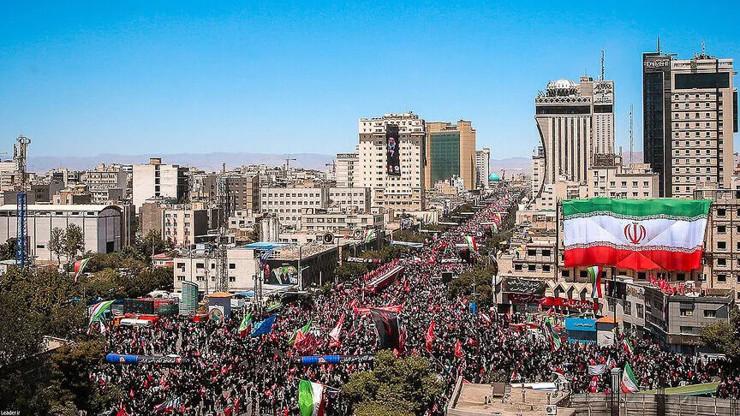
Israeli Strike Kills Ayatollah Ali Khamenei, Buried at Imam Reza Shrine in Mashhad
19 sources compared
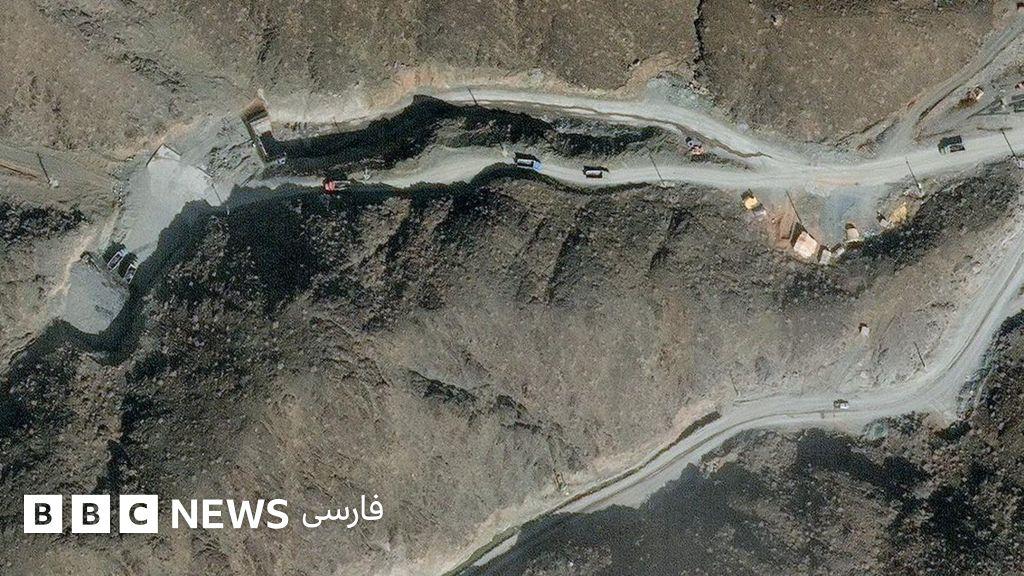
Iran Attempts To Restore Nuclear Sites Damaged In US And Israel Strikes, CNN Satellite Images Show
15 sources compared
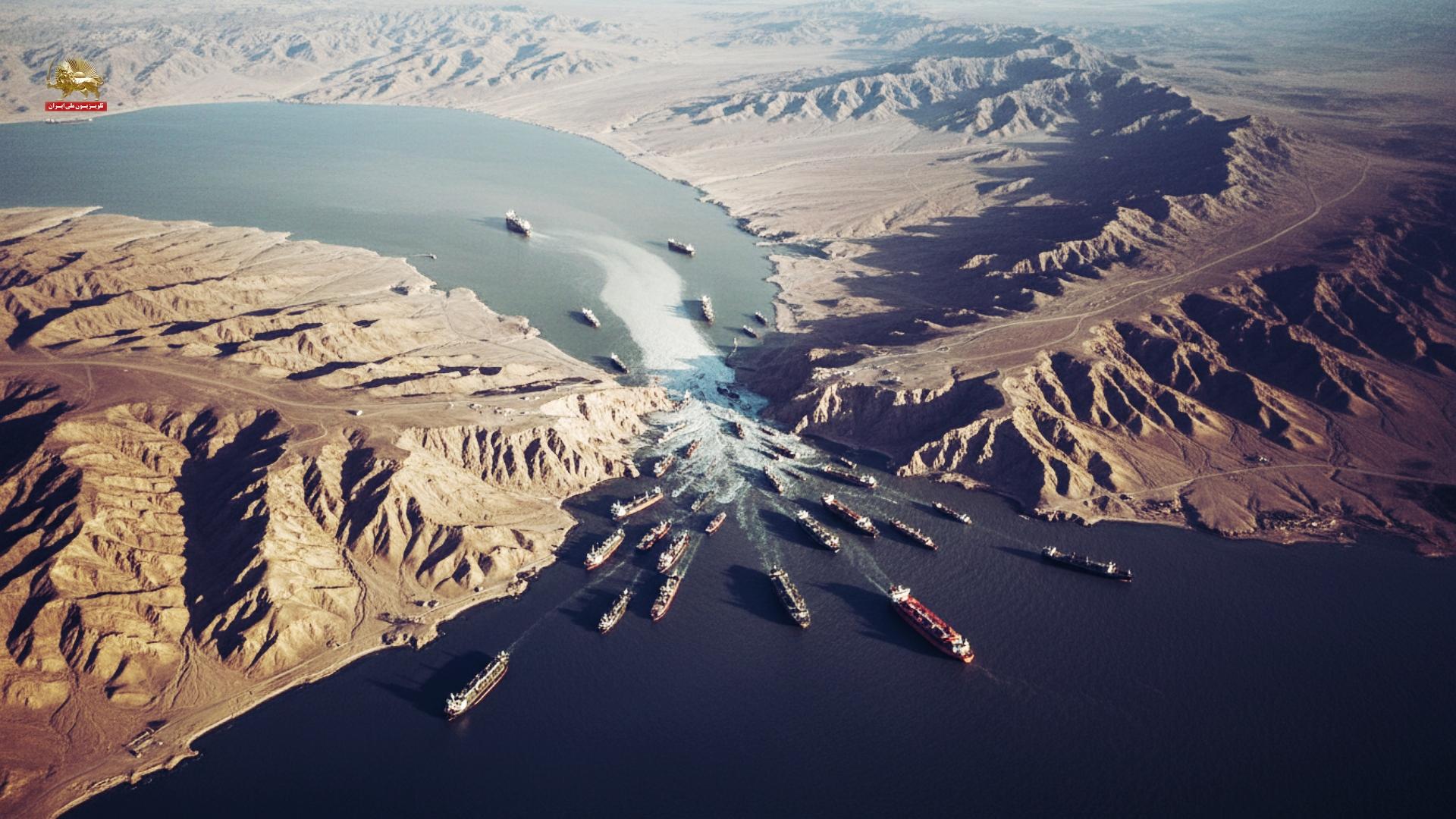
Abbas Araghchi and Prince Faisal Bin Farhan Discuss Regional Developments After US Attacks
11 sources compared

Trump Says U.S. Agreed to Continue Iran Talks, Ceasefire Is Over
19 sources compared