Full story
Project Freedom Escalates
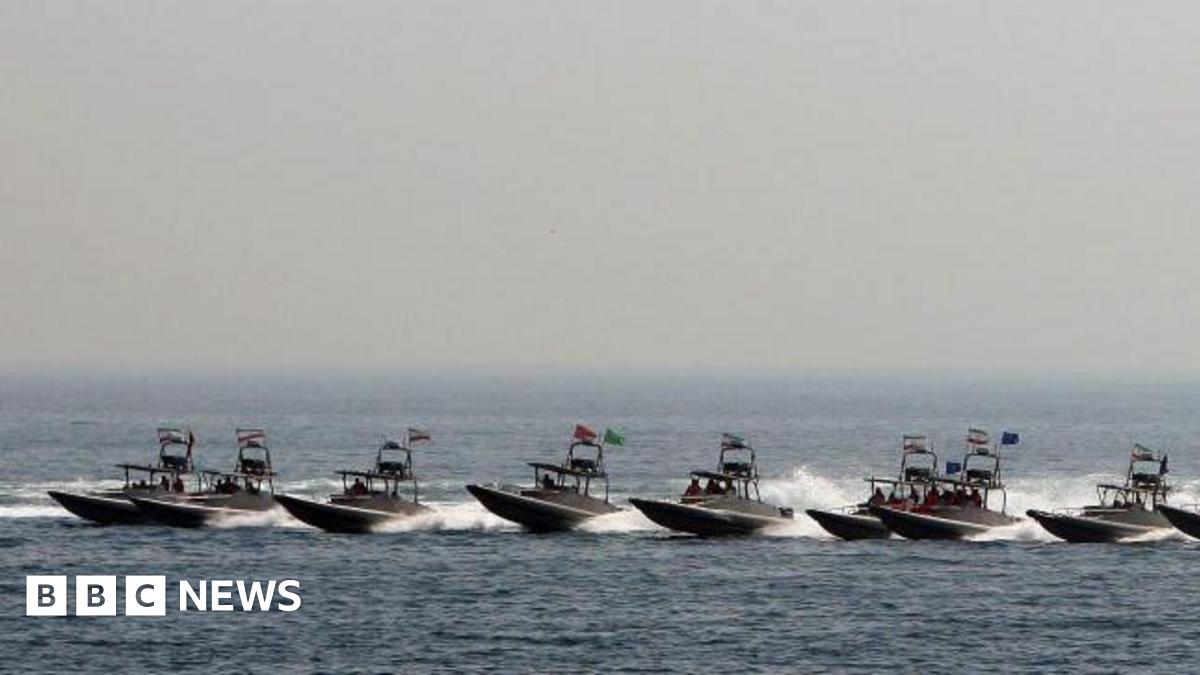
A sharp escalation in attacks in the Strait of Hormuz and the Persian Gulf on Monday threatened a fragile U.S.-Iran ceasefire as President Donald Trump said the U.S. struck seven Iranian “fast boats” in the Strait of Hormuz.
“President Donald Trump says the US has struck seven Iranian "fast boats" in the Strait of Hormuz”
The BBC reported that “US strikes seven Iranian boats, Trump says, as tensions spike in Strait of Hormuz,” while NBC News said Iran fired cruise missiles and drones and launched small boats, but “no vessels have been hit and no one was injured.”

The Washington Post framed the moment as imperiling “the shaky ceasefire between Iran and the United States” as the two sides struggled to make progress in talks on a lasting end to the war.
CNN described the ceasefire as being “tested after both sides fired shots in the Strait of Hormuz,” and said Trump declined to say if the truce remained in place.
In the same reporting stream, CNN quoted Trump’s warning that Iranian forces would be “blown off the face of the Earth” if they attempted to target U.S. ships in the strait or the Persian Gulf.
The U.S. Central Command account, as relayed by multiple outlets, said helicopters were used to destroy Iranian small vessels and that no U.S. Navy vessels were hit.
NBC News added that Adm. Brad Cooper said the U.S. used attack helicopters to blow up the small boats and intercept the drones, and that U.S. Navy ships were protecting U.S. commercial vessels transiting the strait as part of Trump’s new mission to guide stranded vessels through the waterway.
Competing Claims of Hits
While the U.S. described its actions as defensive and tied to clearing a path for commercial shipping, Iranian and Iranian-linked media described different outcomes.
The Independent said the U.S. military claimed it had sunk six small Iranian boats, quoting U.S. Admiral Brad Cooper saying the navy had eliminated six small boats attempting to interfere with commercial shipping, while an Iranian military official denied the U.S. navy report “according to Iranian state television.”

The Independent also reported that semi-official state news agency Fars said a warship was turned back after it was struck while sailing near Jask island, after Tehran earlier warned it would attack any U.S. boats that entered the Strait of Hormuz.
CNN similarly said the U.S. “blew up” six small Iranian boats in the Strait of Hormuz on Monday, and that a report in Iranian state media disputed the U.S. claim of having sunk the boats.
NBC News stated that Iran claimed to have struck an American warship, but Central Command said no ship was hit, and that Iran also denied the U.S. sank any of its boats, according to Islamic Republic of Iran Broadcasting.
Kurdistan24 reported that Iranian state television said Iranian naval forces fired cruise missiles, rockets, and combat drones near U.S. destroyers and claimed “warning shots,” while U.S. Central Command confirmed that no U.S. Navy vessels were hit.
The New York Post added that Fars News Agency initially claimed an unidentified U.S. ship was hit by two missiles near the port of Jask, and that CENTCOM denied the claim on social media saying “No US Navy ships have been struck.”
UAE Air Defenses and Fujairah
The escalation also drew in the United Arab Emirates, which reported intercepting Iranian missiles and drones and described a drone attack that caused a fire at an oil port in the Fujairah region.
“air defenses “engaged” 19 Iranian missiles and drones”
CNN said the United Arab Emirates, a U.S. ally, reported that its air defenses “engaged” 19 Iranian missiles and drones and that a drone attack caused a fire at an oil port in the Fujairah region.
NBC News reported that the ministry of defense of the United Arab Emirates said Monday in a post on X that they had "engaged" 12 ballistic missiles, 3 cruise missiles and 4 drones fired from Iran, which resulted in 3 mild injuries.
NPR said the UAE Defense Ministry said its air defenses had engaged 15 missiles and four drones fired by Iran, and that authorities in Fujairah said one drone sparked a fire at a key oil facility, wounding three Indian nationals.
The Hill also described the UAE’s Ministry of Defense saying four Iranian missiles were detected over the country’s airspace, with three intercepted while one fell into the sea, and said a fire broke out at a petroleum industrial site in Fujairah after weathering an Iranian drone strike.
Across those reports, the Fujairah fire and the injuries to civilians were the clearest shared consequences, even as the missile and drone counts differed by outlet.
CNN and NPR also connected the UAE’s reports to the wider question of whether the ceasefire would hold as U.S. and Iranian militaries traded shots.
Iranian Warnings and “Project Deadlock”
Iran’s response combined denials of U.S. claims with warnings about what would happen if U.S. forces tried to enter or manage the strait.
CNN reported that Iranian Foreign Minister Abbas Araghchi warned the United States and United Arab Emirates against getting drawn into a “quagmire,” saying that recent “events in (the Strait of) Hormuz make clear that there’s no military solution to a political crisis.”
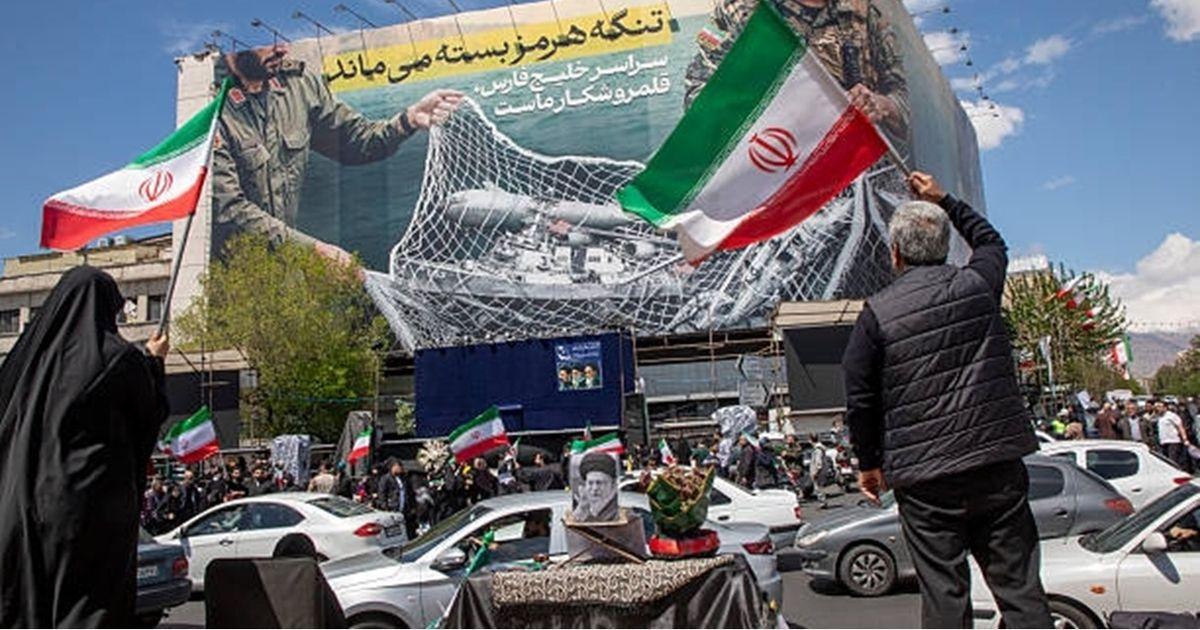
CNN also said Araghchi dismissed Washington’s “Project Freedom” plan, writing: “Project Freedom is Project Deadlock.”
The Independent similarly quoted Iran’s foreign minister Abbas Araqchi saying events in the Strait of Hormuz showed there was no military solution to the crisis, adding that talks were making progress with Pakistan's mediation while warning the United States and the United Arab Emirates against being drawn into a "quagmire by ill-wishers."
The Hill quoted Iran’s central command head Maj. Gen. Ali Abdollahi warning that Tehran would attack “any foreign armed force” that tried to approach or enter the strait, “especially, the aggressive U.S. army,” and said safe passage must be coordinated with Iran “under all circumstances.”
NPR reported that Tehran said the new U.S. effort was a violation of the fragile ceasefire and that Iran’s military command warned ships passing through the strait must coordinate with them.
The New York Post included Abdollahi’s warning to state broadcaster IRIB: “We warn that any foreign military force — especially the aggressive U.S. military — that intends to approach or enter the Strait of Hormuz will be targeted.”
Ceasefire at Risk, Markets React
The stakes in the reporting extended beyond naval encounters to the ceasefire’s survival and the economic impact of disrupted shipping.
“Impact on economy: Oil prices rose and stocks fell on concerns about the safety of transiting the critical waterway.”
CNN said the ceasefire between the US and Iran is being tested after both sides fired shots, and it described “Impact on economy” as oil prices rising and stocks falling on concerns about the safety of transiting the critical waterway.
The Independent’s live updates section reported that oil prices jumped 6 per cent on Monday and stocks fell, citing Brent futures rising $6.27, or 5.8%, to settle at $114.44 per barrel, while U.S. West Texas Intermediate (WTI) crude rose $4.48, or 4.4 per cent, to settle at $106.42.
The Independent also said the moves came after Trump pledged over the weekend that the US Navy would force the strait open, provoking the war’s biggest escalation since a ceasefire was declared four weeks ago.
The Hill described the fragile ceasefire as under threat of falling apart after Trump declared that the U.S. would “guide” vessels through the Strait of Hormuz in “Project Freedom,” and said Tehran’s forces opened fire on U.S. warships and commercial vessels on Monday.
The Hill also reported that the U.S. military “strongly advised” Iran to steer clear of U.S. military assets and that the U.S. naval blockade preventing ships departing from Iranian ports from leaving the region will remain in effect.
Even as the U.S. said it had reopened a lane through the strait free of Iranian mines, NPR said shipping companies and insurers were unlikely to take such a risk given that Iran has fired on ships in the waterway and vowed to keep doing so.