Business15 November, 20252 min read
Trump Scraps Food Tariffs on Coffee, Beef and Tropical Fruits After Driving Up Grocery Prices
This article is an automated aggregation of coverage from news outlets. Our editorials offer in-depth analysis curated by the NewsCord team.
Trump signed executive order eliminating tariffs on beef, coffee, tropical fruits, and other food imports His tariffs were a central second-term policy and contributed to higher grocery prices

7 outlets told this the same way.
Food import tariff rollback
President Donald Trump signed an executive order on November 14, 2025, eliminating tariffs on a wide range of food and agricultural imports — notably beef, coffee and tropical fruits — a move announced aboard Air Force One that the administration framed as a response to rising grocery prices and voter pressure. The order exempted many items from reciprocal duties, and the White House linked the shift to new trade agreements with countries including Ecuador, Guatemala, El Salvador and Argentina. Coverage consistently notes the announcement as a marked reversal from Trump’s earlier tariff-heavy posture.
“President Donald Trump signed an executive order on November 14, 2025, eliminating tariffs on a wide range of commodities — including beef, coffee and tropical fruits — as a response to consumer pressure over high prices. The move was announced as he spoke to reporters aboard Air Force One en route to his Mar‑a‑Lago estate.”
Tariff rollback explanations
Officials and analysts offered overlapping but distinct explanations for the rollback: the White House highlighted consumer price concerns and new bilateral agreements as reducing the need for certain levies, while political coverage tied the move to off‑year election losses and voter anger over grocery costs. Reports emphasize that the action was at least partly a political response after state and off‑year elections raised alarms about inflation’s electoral impact. Trump himself reportedly acknowledged tariffs “may” have raised prices, even as he suggested other countries bore some burden.
Tariff rollback implications
The scope of the rollback is broad but not uniform. Reports list exemptions including coffee, beef, tea, fruit juices, cocoa, spices, bananas, oranges, tomatoes and some fertilizers. Some levies remain, with one outlet flagging a 17% duty on Mexican tomatoes.
“The rollback still leaves some levies in place (notably a 17% duty on Mexican tomatoes), and new agreements with Argentina, Ecuador, El Salvador and Guatemala suggest the administration is trying to limit political damage ahead of future elections — though experts warn undoing the economic effects will take much longer than reversing the policy.”
Many of the exempted goods aren't produced domestically, which raises questions about the tariffs' original rationale and how quickly prices will adjust even after duties are removed. Analysts warn that reversing tariffs administratively does not immediately undo prior price effects or supply-chain disruptions.
Reactions to tariff rollback
Food industry groups welcomed the change as likely to ease supply pressures and improve affordability. Democrats and critics said the rollback showed the earlier tariff strategy harmed U.S. consumers.
Economists reportedly dispute the president's claim that other countries bore the costs. Some commentators warned that reversing tariffs will not immediately correct price trends.
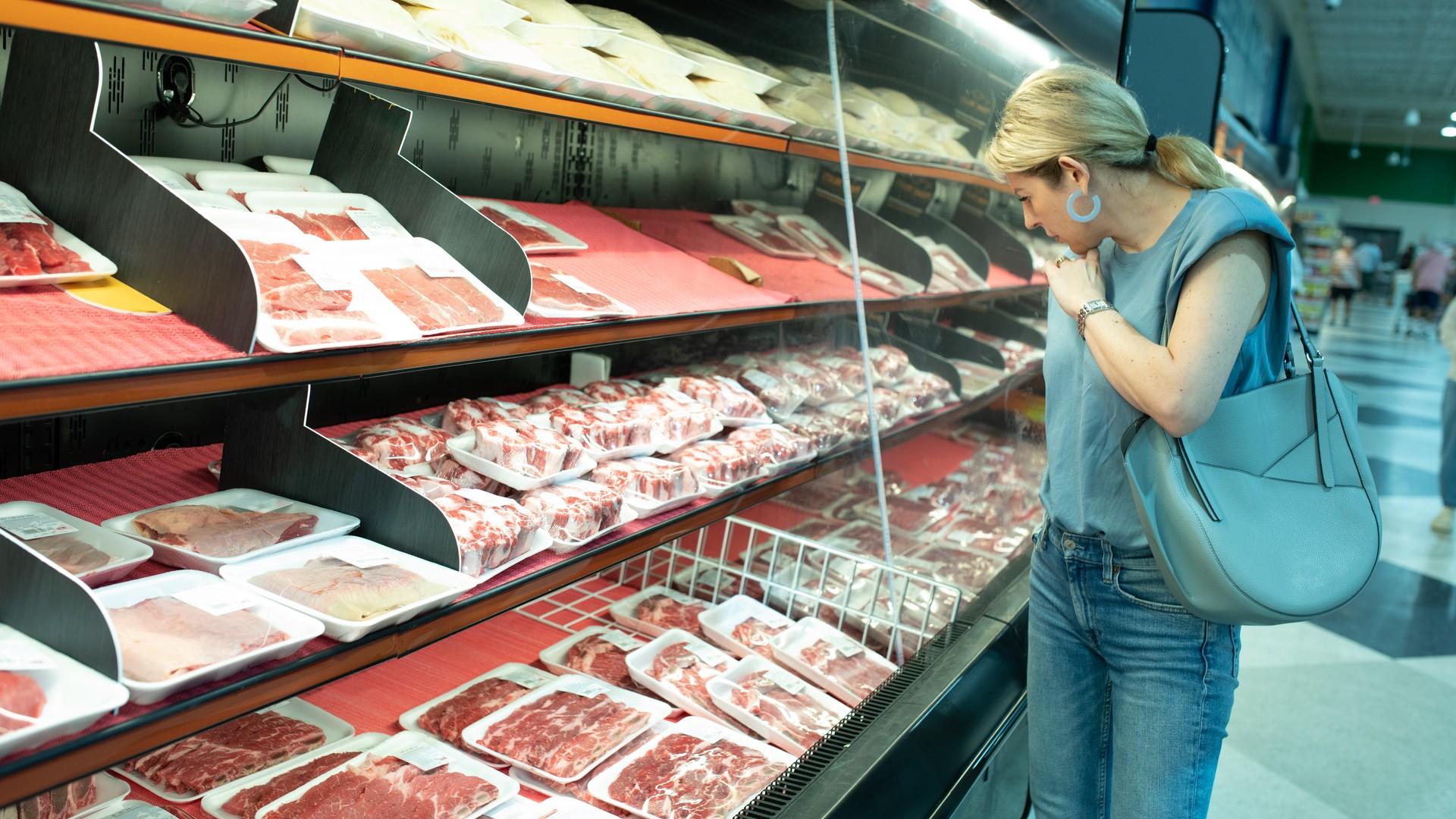
Tariff rollbacks and impacts
Reports link the White House's tariff rollbacks to new trade agreements with Ecuador, Guatemala, El Salvador and Argentina, and say former President Trump suggested using tariff revenue to fund $2,000 stimulus checks or to pay down the debt.
“Trump also reiterated plans to use tariff revenue to finance $2,000 stimulus checks for some Americans (possibly in 2026) or to help pay down the national debt.”
Analysts cautioned that an administrative repeal will not immediately reverse inflationary pressures and that returning consumer prices to pre-tariff levels could take longer than the policy change itself.
