Business15 November, 20253 min read
Trump Scraps Tariffs on Over 200 Food Items, Including Beef, Coffee and Bananas, to Blunt Rising Grocery Prices
This article is an automated aggregation of coverage from news outlets. Our editorials offer in-depth analysis curated by the NewsCord team.
Trump exempted more than 200 agricultural products, including beef, coffee and bananas, from reciprocal tariffs. Exemptions take effect retroactively from midnight Nov. 13.
15 outlets told this the same way.
Outlets did split on CATL Starts Trial Production at Debrecen Battery Cell Plant in Hungary →
Food tariff rollbacks
President Trump signed an executive order in mid-November rolling back or exempting many tariffs on food imports, specifically naming staples such as beef, coffee, bananas, tomatoes, avocados and orange juice.
“President Trump signed an executive order that retroactively lowers ‘reciprocal’ tariffs on more than 100 agricultural imports — including beef, coffee, bananas and tomatoes — with the changes taking effect next Thursday.”
Several reports describe the move as retroactive to mid-November.
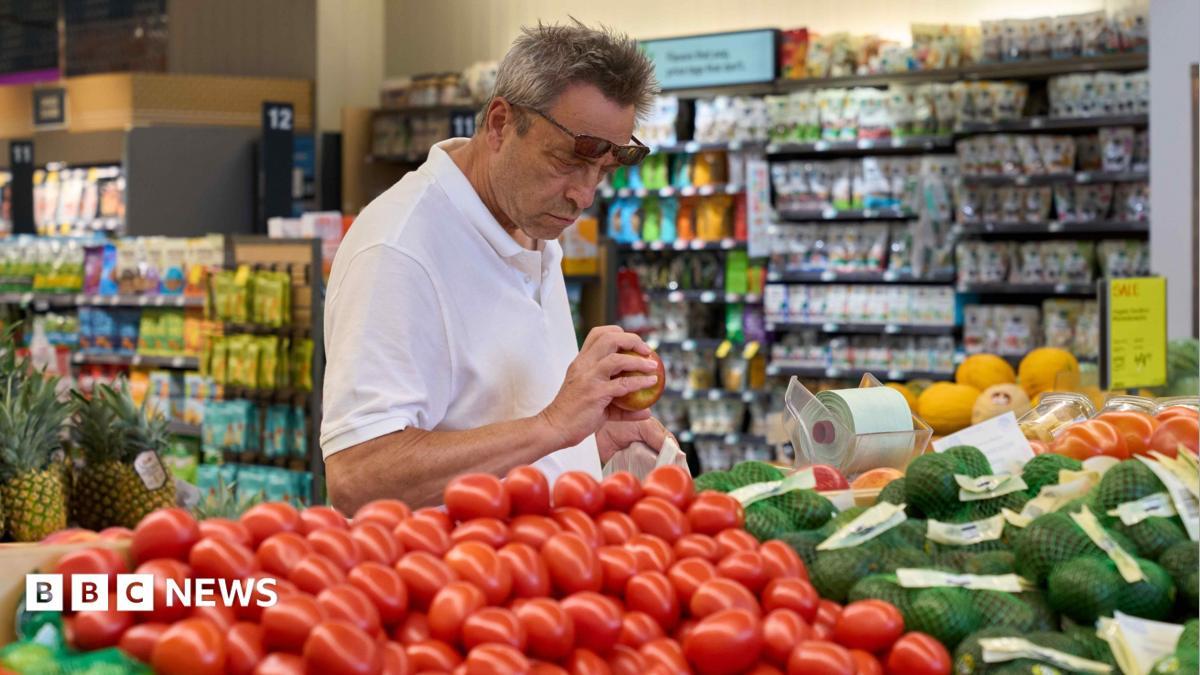
Benzinga says the order retroactively lowers reciprocal tariffs on more than 100 agricultural imports, including beef, coffee, bananas and tomatoes, with the changes taking effect next Thursday.
Firstpost reports the exemptions take effect retroactively at midnight on Nov. 13 and lists items including coffee, bananas, beef, avocados, tomatoes, coconuts and mangoes.
Tribune India says Trump is rolling back tariffs on more than 200 food items, including coffee, beef, bananas and orange juice, effective retroactively as of Thursday night, and Business Standard frames the announcement as cutting tariffs on beef, coffee and a range of common food items to help lower rising grocery prices.
Reasons for tariff exemptions
The administration and news coverage converge on the stated reasons: officials say the exempted goods cannot be produced in sufficient quantities domestically, and the move was framed as a response to rising grocery prices and political pressure after recent election setbacks. Benzinga reports the White House reasoned that the exempted products cannot be produced in sufficient quantities domestically and that the order removes them from reciprocal levies that ranged roughly 10%–50%, though it does not eliminate all tariffs. Firstpost likewise says the goods are excluded because they cannot be produced in sufficient quantities domestically and ties the timing to pressure over rising grocery prices after Republican state-level losses.
Tribune India quotes the president acknowledging that tariffs may in some cases raise prices and links the exemptions to bilateral trade framework deals. Industry groups had urged such exemptions earlier, with Supply Chain Dive noting that organizations like the Consumer Brands Association and FMI pushed for exclusions and later praised the administration’s decision.
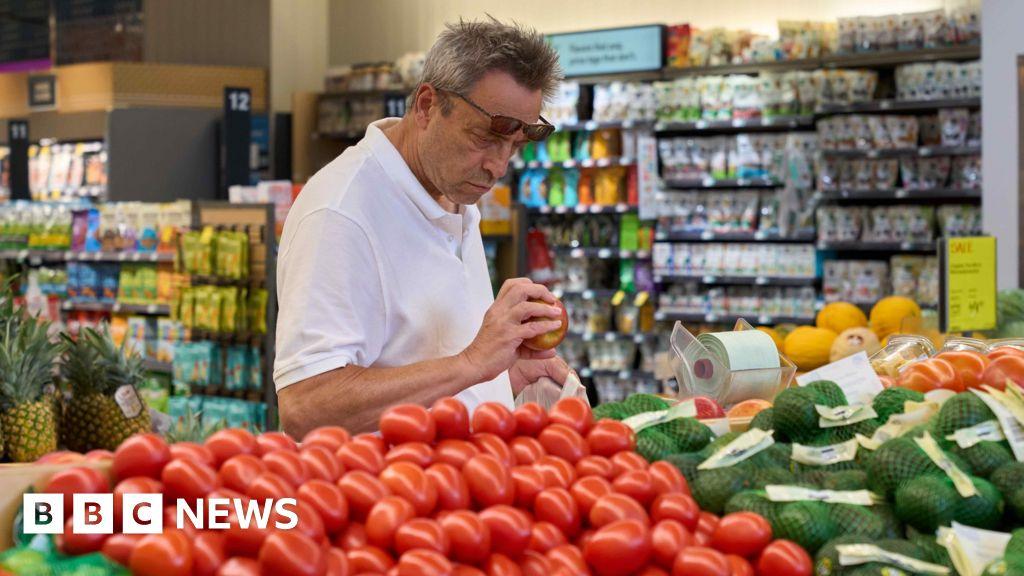
Grocery price trends
Multiple outlets pointed to concrete price signals that framed policy, noting overall grocery inflation running near 2.7% year-over-year in CPI data. Specific staples showed sharper moves, with coffee and beef singled out for especially large increases. Reports also cited trade measures affecting prices, including a significant tariff on Brazilian coffee.
“Brazilian coffee faced a 50% tariff in August and coffee inflation was up nearly 20% year‑over‑year in September; overall grocery inflation was about 2.7% year‑over‑year in the CPI.”
Benzinga reported that coffee inflation was up nearly 20% year-over-year in September and that Brazilian coffee faced a 50% tariff in August. Tribune India supplied itemized increases, listing ground beef up about 13%, steaks up about 17%, and bananas up about 7%.
Straight Arrow News aggregated similar figures, saying food-at-home prices were up about 2.7% year-over-year, with beef up roughly 13% and coffee up as much as 20%. Firstpost likewise stated grocery prices were up 2.7% year-over-year while U.S. coffee prices have risen roughly 20% this year.
Reactions to tariff rollbacks
Reactions split across political, legal and market lines.
Some outlets framed the rollbacks as a pragmatic correction to curb inflationary pain, and industry representatives praised the relief.
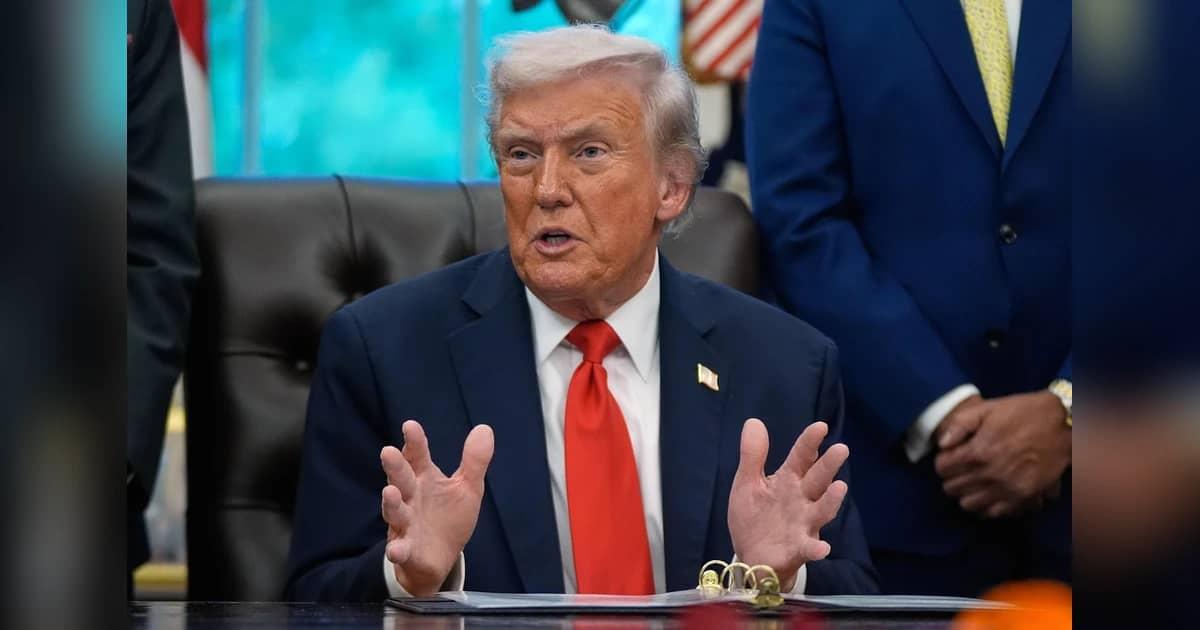
Other outlets flagged political motives and potential legal pushback over executive trade authority.
Straight Arrow News summarized both the industry welcome and the legal and political fallout, noting a proposed bipartisan "No Coffee Tax Act" and that court proceedings showed skepticism of the federal government's trade-authority arguments.
Supply Chain Dive recorded that FMI praised the decision, with CEO Leslie G. Sarasin saying tariff reductions help ensure adequate supply and affordable grocery prices.
Benzinga noted the move came amid political pressure over rising grocery prices after recent election losses and that markets reacted mixedly.
Tribune India highlighted the political calculus and reported Trump's suggestion of using tariff revenues to fund a $2,000 payment.
Reactions to tariff rollback
Industry groups and trade analysts described the change as a partial reversal with immediate supply-side benefits but uncertain long-term trade implications. Supply Chain Dive reported that industry lobbying preceded the exemptions and that trade groups welcomed the changes. Straight Arrow News warned of longer-term implications for trade policy and legal debates and called the rollback an implicit admission that the original tariffs were a policy mistake in its coverage by left-leaning outlets.
“Industry groups urged the administration to exempt certain imports from tariffs.”
Business Standard and Firstpost characterized the step as a notable shift in tariff policy intended to lower rising grocery prices. Some reports noted exclusions and that not all items or tariffs were eliminated, leaving ambiguity about which products will see meaningful price relief.
