Techonology and Science19 December, 20252 min read
Trump Secures Deals With Nine Pharma Giants to Lower U.S. Drug Prices
Nine major drugmakers agreed to voluntary 'Most Favored Nation' pricing deals. Companies will price U.S. drugs at levels matching lower prices in peer European countries.
19 outlets told this the same way.
Drug pricing agreements
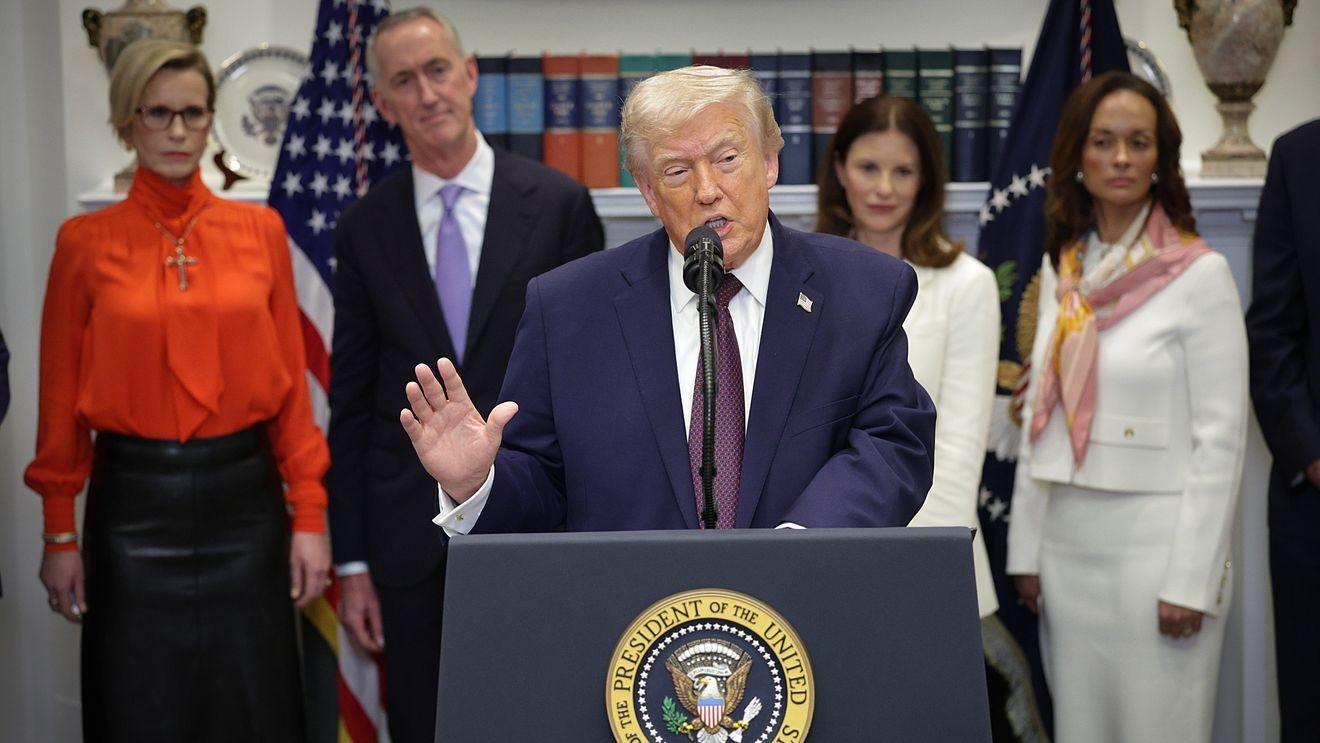
President Donald Trump announced agreements with nine major drugmakers — Amgen, Boehringer Ingelheim, Bristol Myers Squibb, Genentech, Gilead, GSK, Merck, Novartis and Sanofi — as part of his “most‑favored‑nation” push to lower U.S. prescription drug prices, bringing the administration’s total to 14 of the 17 companies it targeted earlier in the year. Multiple outlets report the White House framed these deals as aligning U.S. prices with those paid by other wealthy countries and as a major step toward lowering out‑of‑pocket costs for patients. The announcement was described across sources as a continuation of Trump’s sustained pressure on manufacturers that began with letters in July and public threats of tariffs and other tools if companies did not cooperate.
“President Trump on Friday announced agreements with nine drugmakers—Amgen, Boehringer Ingelheim, Bristol Myers Squibb, Genentech, Gilead, GSK, Merck, Novartis and Sanofi—to align U.S. prices for new drugs with prices paid by other wealthy countries.”
TrumpRx program overview
A central feature of the initiative is a government portal called TrumpRx (variously reported as TrumpRx.gov or TrumpRx.com) that will route consumers to manufacturers' direct-to-consumer sales platforms so medicines can be bought without using insurance; several sources say the portal is planned for a staged rollout but disagree on the timing.
Reports also say companies will offer selected drugs to state Medicaid programs at the lower prices, and that manufacturers will sell directly to consumers through their own sites as part of the program design.

Drug Price Cuts and Commitments
The announcements include concrete price examples and company-specific commitments.
“Selected price cuts announced - Gilead: Hepatitis C drug Epclusa from $24,920 to $2,425.”
UPI and NPR published sample price cuts, citing Merck’s Januvia at roughly $330 to $100 and Amgen’s Repatha from $573 to $239 in some reports.
UPI also cataloged many specific reductions across manufacturers such as Gilead, Sanofi and Novartis.
Several outlets highlight corporate commitments to invest in U.S. manufacturing and research, with NTD News and OANN emphasizing hundreds of billions in pledges.
OANN quotes Bristol Myers Squibb committing $40 billion to U.S. R&D and offering free supplies of Eliquis to Medicaid.
Pharmaceutical Executive notes that the deals represent a shift away from threatened tariffs toward negotiated agreements.
Reactions to drug deals
Reactions and caveats are mixed across outlets. The White House framed the deals as historic wins for affordability and credited leverage including potential tariffs; Trump called the moves a major victory and the administration touted projected savings and manufacturing pledges. At the same time, some analysts cautioned many patients may still pay less via insurance than through direct-purchase options, and coverage noted that three large manufacturers (AbbVie, Johnson & Johnson and Regeneron) had not yet agreed at the time of reporting.