USA03 February, 20262 min read
Trump Seeks $1 Billion From Harvard, Accuses University Of Antisemitism
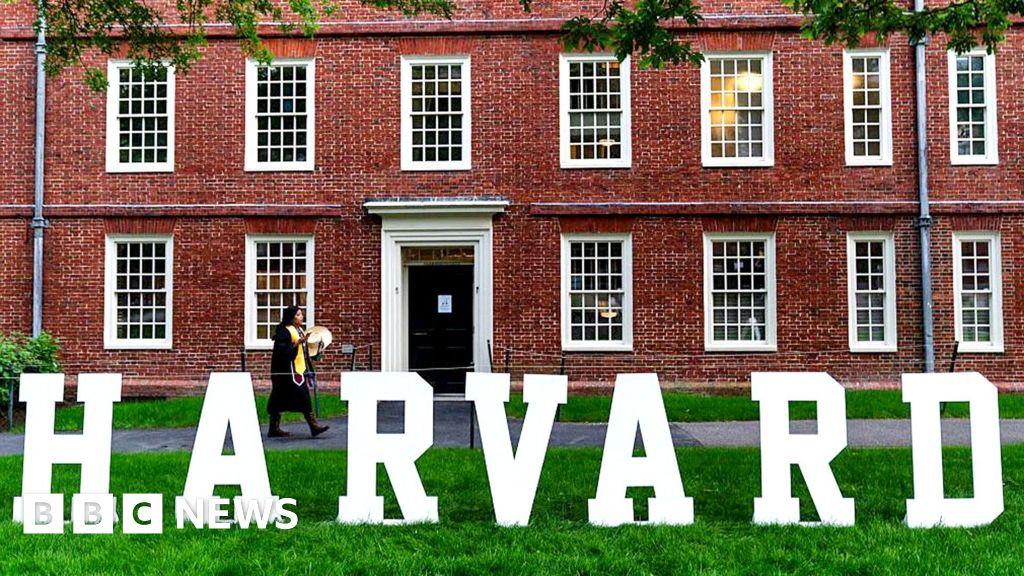
President Trump said his administration is seeking $1 billion in damages from Harvard University The administration accuses Harvard of fostering campus antisemitism and called the university 'strongly antisemitic'
61 outlets told this the same way.
Outlets did split on Trump Interrupted by Protesters at San Antonio Rally for Ken Paxton →
Trump demands $1B from Harvard
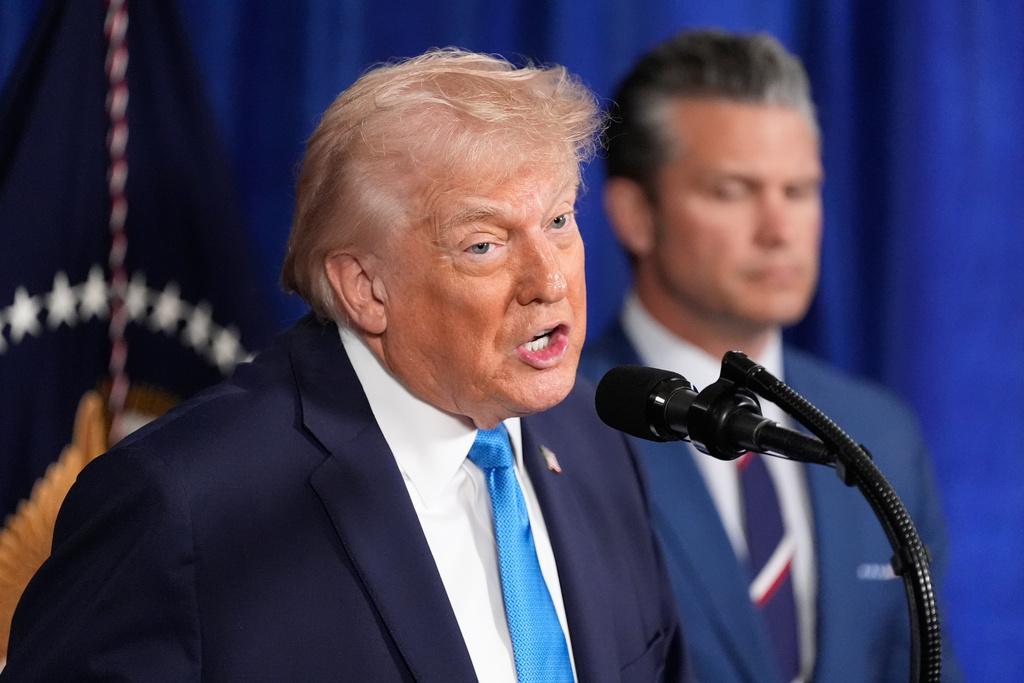
President Donald Trump announced on Truth Social that his administration is seeking $1 billion in damages from Harvard University. He accused the school of being "Strongly Antisemitic" and rejected reporting that a prior $200 million cash demand had been dropped.
“We are now seeking One Billion Dollars in damages...”
He wrote, "We are now seeking One Billion Dollars in damages..." and demanded a correction of a New York Times story he called "completely wrong." Trump also said he and his team "want nothing further to do" with Harvard while offering no detailed legal basis or explanation of specific harms the university allegedly caused.
Harvard funding dispute
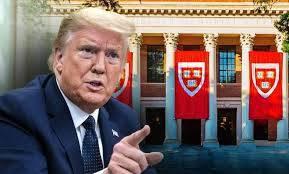
The $1 billion demand comes amid a broader, years-long confrontation in which the administration moved to revoke or freeze roughly $2–2.7 billion in federal research grants to Harvard and other universities, and Harvard sued to challenge those funding cuts. A federal judge later ruled the administration unlawfully terminated more than $2 billion in research grants and blocked the government from cutting off the university's funding; the administration has appealed that ruling. Officials have also threatened to revoke tax-exempt status and seize patents tied to federally funded research, steps reported as part of the enforcement pressure the White House has put on elite institutions.
Settlement talks and proposals
Reports differ on the contours of settlement talks. Trump at times said negotiations nearly produced a roughly $500 million deal that would have included trade-school or workforce-development elements. Administration figures of $200 million and $500 million have been reported in different outlets.
“Trump previously said negotiations with Harvard nearly produced a deal that would have included a $500 million payment.”
Some sources say the White House had dropped a $200 million cash demand, a point Trump publicly disputed. Others describe Harvard's proposed technical-education plan as an effort to avoid a large cash payout. The back-and-forth over whether cash was still demanded and what non-monetary proposals were acceptable has been a recurring theme in coverage.
Federal pressure on universities
Observers and many outlets frame the demand as part of a broader administrative effort to use federal levers to reshape university policy and enforce changes on campus practices. These efforts include responses to allegations of antisemitism related to pro-Palestinian protests and to disputes over diversity and transgender policies. The administration has pressured other Ivy League schools into settlements, including Columbia and Brown.
Critics warn the tactics risk politicizing federal research funding and curbing academic freedom. Supporters argue the measures enforce civil-rights protections for students. The dispute has drawn wide coverage across Western mainstream, alternative, and regional media.
Media coverage and disputes
Some outlets highlight Trump's rhetoric and repeat his accusations of 'serious and heinous illegalities' and his demand that matters be 'Criminal, not Civil.' Other outlets stress ambiguity, reporting that Trump 'did not specify the harms' or that a judge accused officials of using claims of antisemitism as a smokescreen.
“He offered no specifics about what damages Harvard allegedly caused.”
Harvard has not, in many reports, publicly replied to the latest $1 billion claim, and reporters note that the administration's public denials of dropping cash demands complicate a clear accounting of what was on the negotiation table. The mix of combative rhetoric, legal maneuvers and differing editorial frames means the record remains contested and some details are unclear.