
Japan's Sanae Takaichi faces high-stakes diplomacy as US-China summit delays complicate White House visit.
Key Takeaways
- Takaichi faces U.S. pressure to back Hormuz security amid Iran tensions.
- Japan's military options are legally constrained; only limited, law-enforcement-style maritime deployments possible.
- Delayed U.S.-China summit raises stakes for Takaichi's White House visit amid Iran focus.
Geopolitical Shift
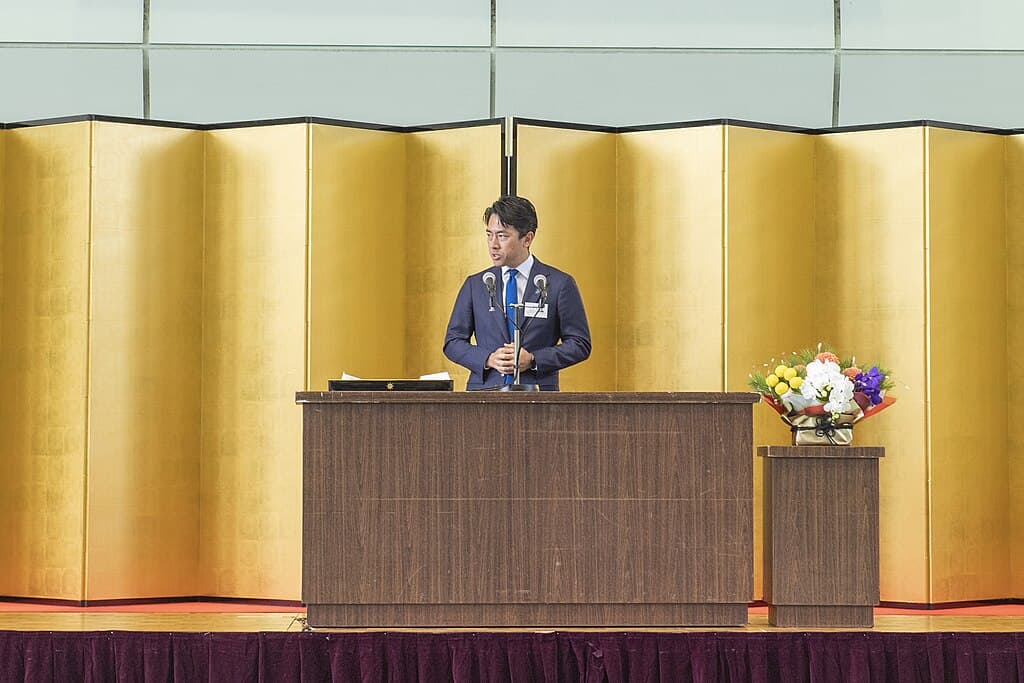
Japanese Prime Minister Sanae Takaichi faces a complex diplomatic landscape as her first White House summit with U.S. President Donald Trump unfolds amid shifting geopolitical priorities.
“Legal experts are divided over whether the U”
The original agenda focused on Japan's investment in the U.S., defense spending increases, and discussions about the now-postponed Trump-Xi summit, but the Iran conflict has dramatically altered the meeting's tone and substance.

Analysts suggest Takaichi finds herself in a defensive position, needing to navigate Trump's demands for military support in the Strait of Hormuz while balancing Japan's constitutional constraints and strategic interests in the Indo-Pacific region.
The delay in the U.S.-China summit has further complicated her ability to frame discussions according to Japan's preferences, as she hoped to remind Trump of regional threats from China before his Beijing visit.
Legal Constraints
Takaichi confronts significant legal and constitutional limitations in responding to Trump's request for military support in the Strait of Hormuz.
Japan's post-war pacifist constitution, particularly Article 9, strictly limits the use of force to self-defense scenarios, creating a high bar for overseas military engagements.

While Japan has reinterpreted its constitution since 2015 to allow limited 'collective self-defense' under specific conditions requiring a 'survival threatening situation,' current assessments indicate the Iran conflict does not meet this threshold.
Legal experts remain divided on whether U.S. military strikes on Iran comply with international law under the UN Charter, further complicating Japan's decision-making calculus.
Defence Minister Shinjiro Koizumi has suggested that anti-piracy policing operations could be considered as a possible framework, though this approach would be legally problematic when confronting a state actor like Iran.
Economic Dimensions
Despite the diplomatic tensions, economic considerations remain a significant component of the Takaichi-Trump summit discussions.
“will also be a topic of discussion”
Public broadcaster NHK reports that both sides are in the final stages of preparing to announce a joint document outlining a second round of potential investments totaling 11 trillion yen ($69.2 billion) in the U.S.
This follows the first $36 billion of investments announced in February and would contribute to the $550 billion total investment commitment Tokyo has made in exchange for tariff reductions.
However, the tariff landscape has become more complex since the original trade deal, with Trump's 10% global tariffs replacing the previously agreed 25% rate on Japanese exports.
RAND's Jeffery Hornung suggests that securing a definitive assurance against higher tariffs could represent a significant win for Takaichi in these negotiations, as it would provide crucial economic certainty for Japanese businesses.
Domestic Politics
Takaichi faces substantial domestic political constraints as she navigates these complex international demands.
Public opinion polls show strong opposition to Japanese involvement in the Iran conflict, with the Asahi newspaper reporting that fewer than 10 percent of Japanese support the U.S. and Israeli attacks on Iran.

This anti-war sentiment creates a significant political risk for Takaichi, who would have to pay high political capital to commit Japanese assets to the Middle East.
Jesper Koll of Tokyo-based Monex Group notes that while Takaichi enjoys strong support for strengthening Japan as 'America's unsinkable aircraft carrier in Asia,' there is little appetite for projecting Japanese strength into the Middle Eastern theater.
The former approach aligns with Japan's security interests, while the latter would face substantial public resistance.
Kurt Campbell, a former deputy secretary of state, warns that Trump will likely demand a specific yes-or-no response, creating 'a moment of enormous political peril' for the Japanese leader.
Historical Context
Historical precedents offer Takaichi a guide for navigating the delicate balance between alliance obligations and constitutional constraints.
“oversight, explicitly renounces military force as a means of resolving international disputes”
Japan's previous Middle East engagements reveal a pattern of cautious engagement that has avoided direct combat roles.
During the 1991 Gulf War, Tokyo contributed only financial support, drawing international criticism but staying within legal boundaries.
Later deployments, including naval refueling missions after September 11 and intelligence gathering near the Gulf of Oman in 2019, similarly maintained constitutional limitations.
Tsuneo Watanabe of the Sasakawa Peace Foundation suggests Tokyo could potentially serve as a diplomatic intermediary with Tehran, though he acknowledges that neither side currently appears ready for talks.
The memory of Shinzo Abe's 2019 failed peacekeeping mission to Iran, where Takaichi's predecessor attempted to deliver a message to Iran's supreme leader, serves as both a precedent and cautionary tale for current diplomatic efforts.
More on China
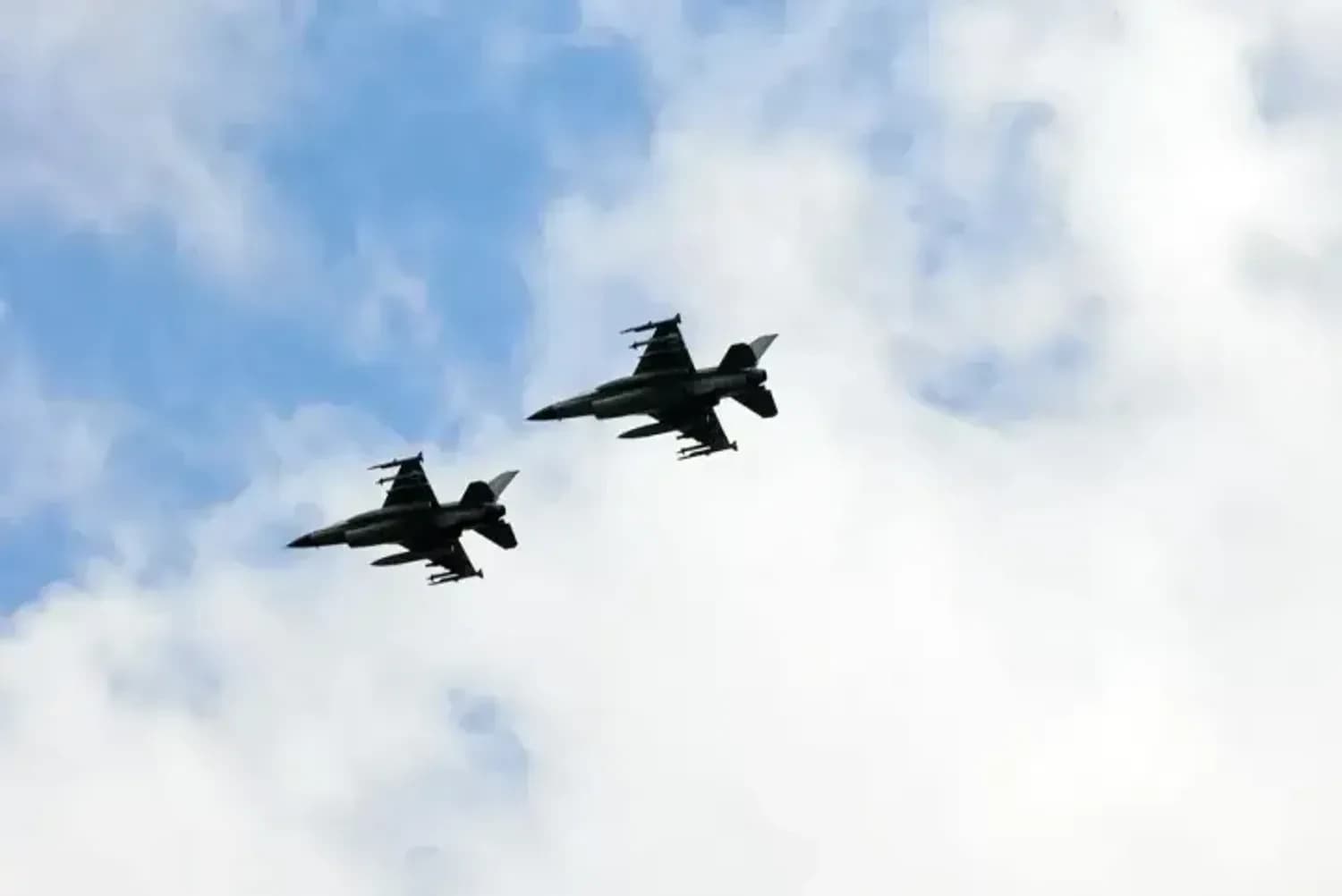
China Resumes Large Scale Military Flights Around Taiwan, Taiwan Reports 26 Aircraft in 24 Hours
14 sources compared

Apple Cuts China App Store Commissions to 25% After Regulator Pressure
25 sources compared

Trump Opens Broad Trade Investigation Targeting China, Mexico and EU; Beijing Calls It Political Manipulation
11 sources compared

President Xi Jinping Rubber-Stamps $30 Trillion Five-Year Plan To Weaponize PLA And Boost Growth
12 sources compared