Ukraine War21 January, 20262 min read
Trump Sends Envoys to Moscow to Press Russia Into Trilateral Talks to End Ukraine War
This article is an automated aggregation of coverage from news outlets. Our editorials offer in-depth analysis curated by the NewsCord team.
Steve Witkoff and Jared Kushner flew to Moscow to meet President Vladimir Putin United States, Russia and Ukraine scheduled trilateral talks in the United Arab Emirates
33 outlets told this the same way.
Outlets did split on Russian Attack Kills At Least 33 On Two Buses In Kramatorsk →
Push for trilateral talks
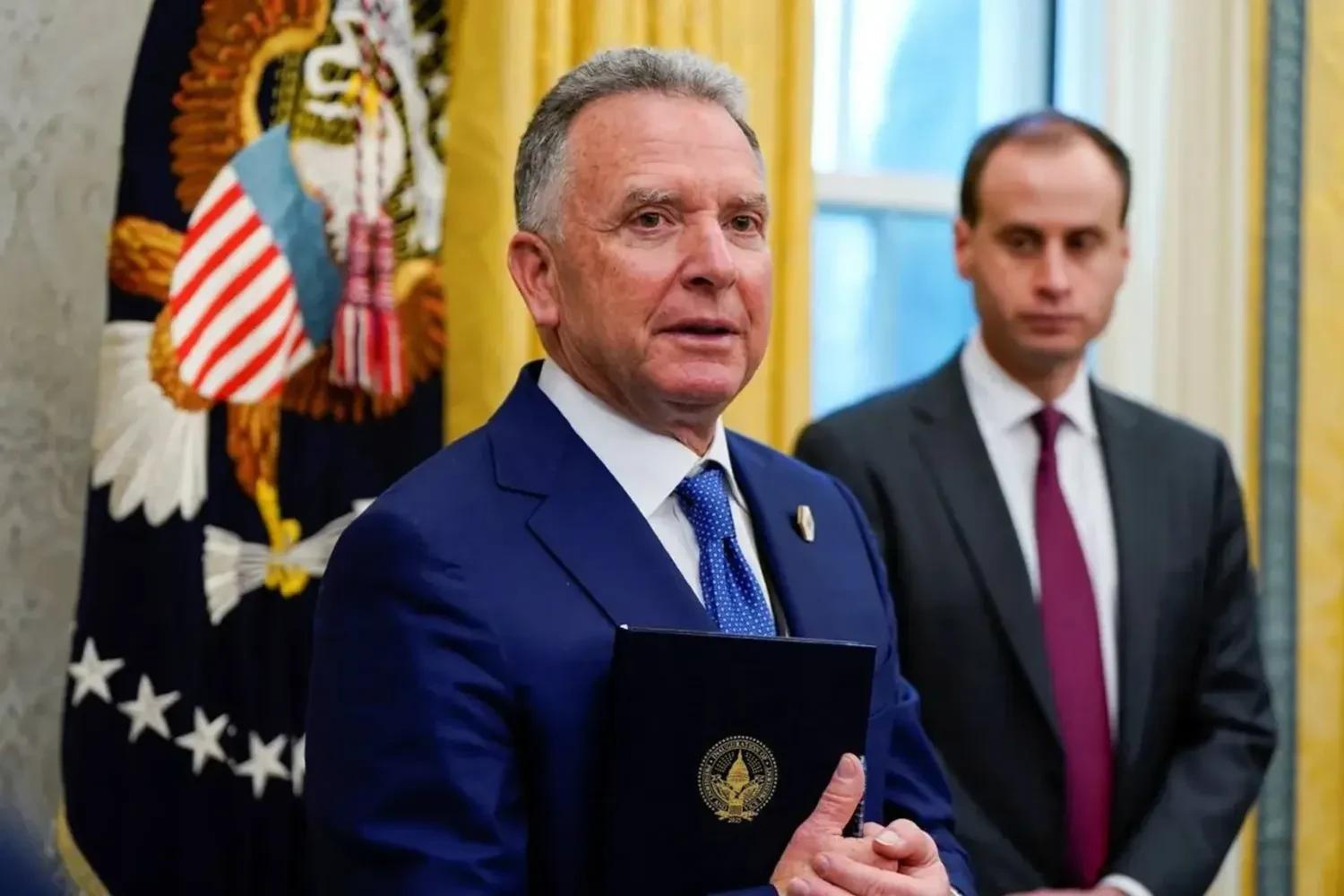
U.S. private envoys reported as Steve Witkoff and Jared Kushner were dispatched to Moscow this week as part of an intensified shuttle diplomacy aimed at pressing Russia into trilateral talks with the United States and Ukraine.
“Ukrainian President Volodymyr Zelenskyy said Thursday that a trilateral meeting between Ukraine, Russia and the United States will be held in Abu Dhabi on Friday and Saturday. Zelenskyy gave no details on who will represent each side and quipped that he hopes the United Arab Emirates were informed, noting occasional ‘surprises’ from the American side.”
Ukrainian President Volodymyr Zelenskyy said the trilateral talks would convene in Abu Dhabi on Friday and Saturday.

Multiple outlets reported the envoys’ travel plans and the planned Abu Dhabi meetings, but they emphasized uncertainty about Moscow’s formal participation and who would represent each side.
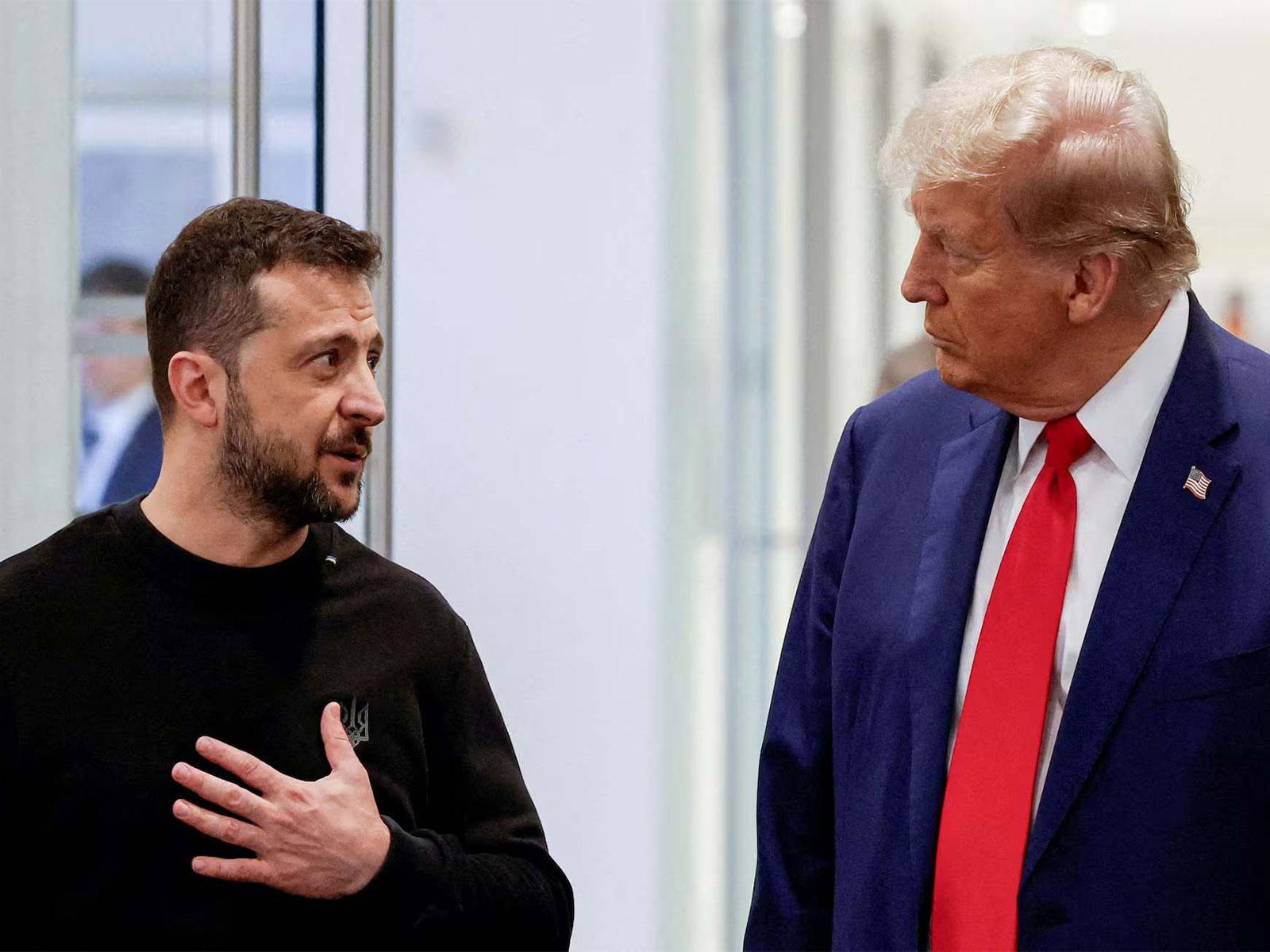
The push followed Davos meetings where Zelenskyy and former U.S. President Donald Trump described their encounter as positive.
U.S. envoys were also reported to be traveling to meet Russian officials to advance draft peace documents.
Davos talks on peace
At the World Economic Forum in Davos, President Trump and President Zelenskyy described their hour‑long meeting as positive. Trump called the meeting "good" and said "the war has to end". Zelenskyy described the discussion as "productive and substantive".
Trump framed his diplomacy as pressing for compromises that could save lives. Reports indicate U.S. envoys were dispatched to Moscow to press for progress, with some U.S. officials saying a deal was "reasonably close" and others warning the final phase would be difficult.

Territory dispute in peace talks
Substantive obstacles remain: multiple outlets report draft peace documents are "nearly ready". The core disagreement centers on territory. Zelenskyy has repeatedly said he will not accept formal transfer of occupied land to Russia.
“Zelenskyy said terms for U.S. security guarantees had been finalized, and a post-war economic recovery package was nearly ready, but the crucial question of Ukrainian territory remained unresolved.”
Reports of Russian aims list demands including control over parts of Donetsk and incorporation of prior agreements. Ukrainian and Russian statements cited in regional outlets say Moscow had not received recent documents. This underlines a gap between U.S./Ukrainian optimism about near-final drafts and Russian officials' public posture.
Media coverage of diplomacy
Coverage varies in tone and emphasis. Western mainstream sources largely report the logistics and diplomatic choreography, citing outlets such as ABC News, Politico.eu and CBS News. Asian outlets often stress the envoys' travel plans and the mechanics of talks, with examples including the South China Morning Post, CNA, and MillenniumPost.
West Asian and regional outlets frame Trump's diplomacy as focused on concessions and saving lives, as seen in Anadolu Ajansı and dailysabah. Critics and analysts quoted in several pieces raised concerns about Trump's private envoys and the political optics of his direct role. They also questioned whether European partners are sufficiently prepared to back any security guarantees, a point Zelenskyy forcefully raised in Davos.