Iran-Israel27 January, 20263 min read
Trump Sends Massive US Armada Toward Iran, Threatens War Over Nuclear Deal
This article is an automated aggregation of coverage from news outlets. Our editorials offer in-depth analysis curated by the NewsCord team.
U.S. sent a large naval force led by aircraft carrier USS Abraham Lincoln toward Iran Trump warned any future strike would be 'far worse' if Iran refuses a nuclear deal
54 outlets told this the same way.
Outlets did split on U.S. Intercepts Iran Message Activating Sleeper Cells After U.S.-Israel Strike Kills Khamenei →
Trump's naval warning to Iran
Former President Donald Trump used Truth Social to warn Iran that 'time is running out.' He said a 'massive Armada is heading to Iran' led by the aircraft carrier USS Abraham Lincoln and insisted Tehran must 'Come to the Table' for a 'NO NUCLEAR WEAPONS' deal. He framed the message as an explicit threat, saying the deployed fleet was 'prepared to rapidly fulfil its missions with speed and violence if necessary.'
“US President Donald Trump warned Tehran that ‘time was running out’ as a large US naval armada led by the aircraft carrier USS Abraham Lincoln moved toward Iran. Writing on social media, he said the fleet was larger than one previously sent to Venezuela and was ‘prepared to rapidly fulfil its missions with speed and violence if necessary.’”
Several outlets echoed his language and reported the carrier-led force was being moved into the region as pressure for talks intensified. These reports tie the public warning directly to the visible redeployment of U.S. naval assets and to Trump's repeated framing of past strikes as precedent for harsher action if Iran refuses demands.
U.S. regional military surge
U.S. military movements and exercises underpinning the warning have been reported and partially verified.
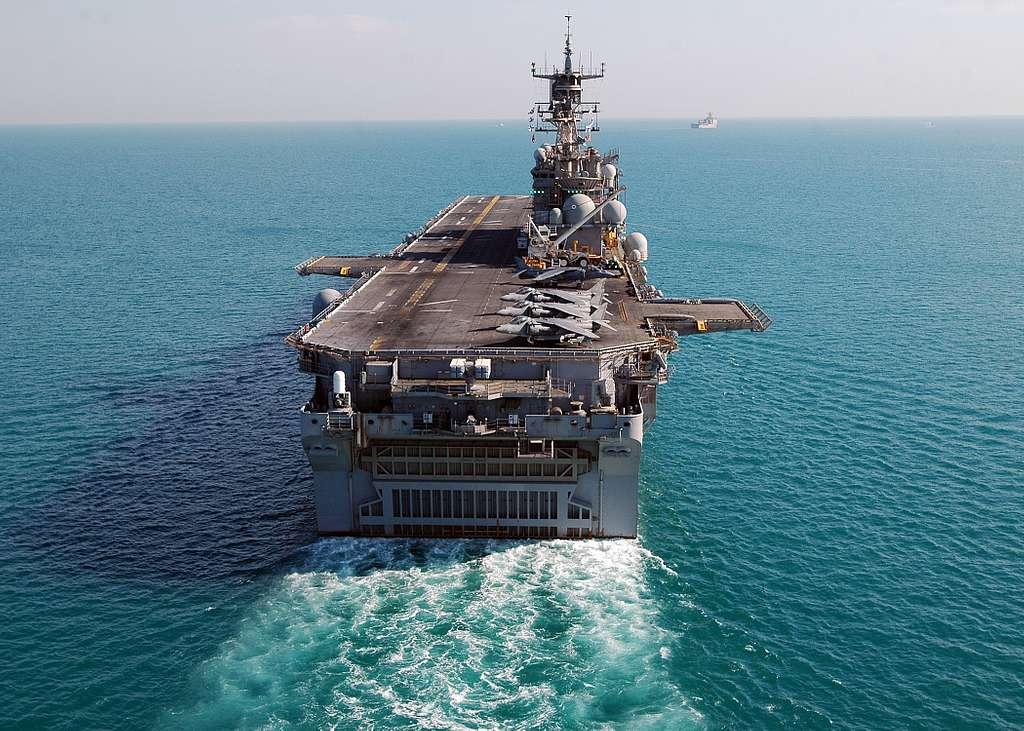
The USS Abraham Lincoln Carrier Strike Group has entered the U.S. Central Command area of responsibility.
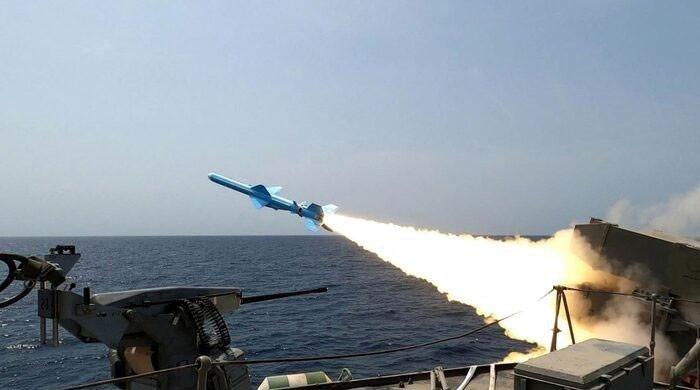
Open-source tracking and BBC Verify satellite imagery show a wider surge of U.S. air and naval activity.
That surge includes fighter jets and transport planes into regional bases, as well as drones and spy planes operating near Iranian airspace.
Officials say multi-day CENTCOM readiness exercises demonstrate the ability to deploy, disperse and sustain combat airpower.
Some outlets describe the redeployment as restoring immediate strike readiness after months of reduced presence.
Iran diplomacy and unrest
Iran’s UN mission and senior officials rejected negotiation under threat while signaling conditional openness to diplomacy. Iran’s UN mission said Tehran is "ready for dialogue based on mutual respect" but warned it would "defend itself" and "respond like never before" if pushed. Foreign Minister Abbas Araghchi said diplomacy cannot be conducted through military threats and denied recent direct contact with U.S. special envoy Steve Witkoff.
“Iran’s foreign minister, Abbas Araghchi, warned the country was ‘ready for war’ if the US wanted to ‘test’ it, but also said negotiations can only happen without threats; Turkish FM Hakan Fidan said Iran is ready to negotiate the nuclear file again. ... Casualty figures from the antigovernment protests are contested: the Iran‑based HRANA agency reports at least 6,221 confirmed deaths and is investigating 12,904 more; the UN special rapporteur warned totals could reach 20,000 or more; Iran’s government reports 3,117 deaths. Al Jazeera could not independently verify the numbers.”
The warning comes amid widespread domestic unrest across the country. Human-rights monitors and activist networks provide widely divergent casualty figures for nationwide protests, with some Iranian-linked groups and NGOs reporting thousands of deaths and other monitors warning totals could be far higher, and those figures remain contested and unverified in international reporting.
U.S. options and risks
Analysts and outlets offer divergent assessments of Washington’s options and the risks of escalation, outlining scenarios from limited strikes on nuclear or missile infrastructure to broader campaigns targeting regime security organs or even decapitation attempts, each carrying progressively severe regional and political consequences.
U.S. officials are described as balancing pressure with conditional openness to diplomacy, while intelligence assessments cited in several outlets suggest Iran’s leadership may be politically weakened, a factor shaping both hawkish prescriptions and diplomatic overtures.

Conflicting strike reports
Reporting highlights disputes over earlier strikes and the uncertainty those disputes create about future escalation. Trump and some U.S. sources described June attacks on Iranian nuclear sites as having "obliterated" parts of Tehran's program, while other accounts and official Pentagon reviews offered more measured assessments of the damage and timelines for recovery.
“In June, the US and Israel bombed three Iranian nuclear sites; Washington says the strikes ‘obliterated’ Iran’s nuclear program and reportedly killed about 430 people, while Iran calls its nuclear work civilian and says the whereabouts of enriched uranium are unknown after the attacks.”
Regional and alternative outlets amplify different casualty and damage narratives. Many outlets underline that key details, including who conducted particular strikes, exact casualties, and precise force postures, remain contested or unverified in publicly available reporting, increasing the risk of miscalculation.
