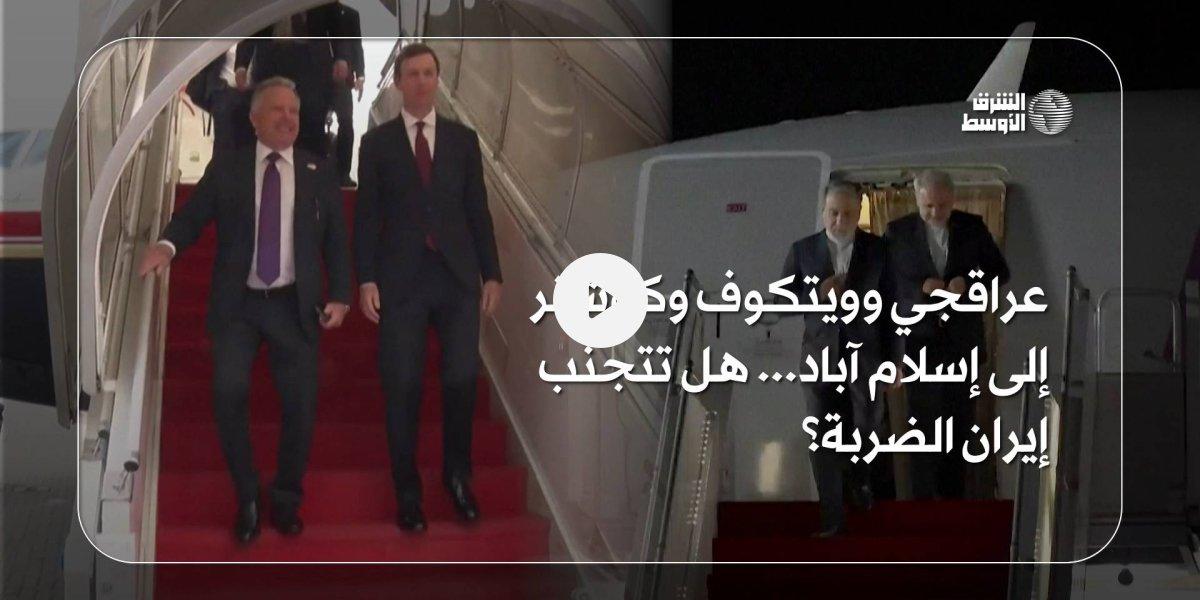
Trump Sends Steve Witkoff and Jared Kushner to Pakistan for Direct Iran Talks
Key Takeaways
- US sends Witkoff and Kushner to Pakistan for direct talks with Iran's foreign minister.
- Tehran publicly denies planned direct talks with the United States during the visit.
- Iranian Foreign Minister Araghchi arrives in Islamabad as Pakistan hosts talks.
Envoys Head to Islamabad
President Donald Trump is sending U.S. special envoy Steve Witkoff and Jared Kushner to Pakistan for “direct talks” with their Iranian counterparts, the White House said, as Iran’s foreign minister Abbas Araghchi prepares to be in Islamabad.
White House press secretary Karoline Leavitt confirmed the plan on Fox News, saying, “The Iranians reached out” and asked for “an in-person conversation,” as Trump had asked them to do.

Leavitt added, “So the president is dispatching Steve and Jared to go hear what they have to say,” and said the administration is “hopeful that it will be a productive conversation and hopefully move the ball forward towards a deal.”
Vice President JD Vance, who led a prior U.S. delegation to Islamabad for an initial round of negotiations with Iran, will not attend this weekend’s talks, Leavitt said, while also saying Vance “remains deeply involved in this entire process.”
In a Reuters phone call later Friday, Trump told Reuters that Iran will be “making an offer,” adding that he did not know what it would be yet and “we’ll have to see.”
Meanwhile, Iran’s foreign minister said he was “embarking on a timely tour” of Islamabad, Muscat and Moscow to “closely coordinate with our partners on bilateral matters and consult on regional developments.”
The talks are set against a backdrop of stalled negotiations after a first round in Islamabad “led on the U.S. side by Vance” ended “with no deal,” and the White House said the Islamabad talks will be “intermediated by the Pakistanis.”
Iran Rejects Direct Meetings
Despite the White House framing of “direct talks,” Iran’s government repeatedly said no meeting with U.S. representatives is planned during Abbas Araghchi’s visit to Pakistan.
The Iranian Foreign Ministry spokesperson Esmaeil Bagahei wrote on X, “No meeting is planned to take place between Iran and the U.S.,” adding, “Iran's observations would be conveyed to Pakistan.”

The AP reported that shortly after Araghchi touched down, “the country’s government made it clear there would be no direct negotiations with American government representatives during this visit,” and quoted Bagaqaei saying, “No meeting is planned to take place between Iran and the U.S.”
The BBC described the open question as “how much progress the countries can make in Pakistan,” while noting that Iranian state media reported “there are no negotiations with the US planned for Abbas Araghchi's visit.”
CBS and NBC similarly reflected uncertainty about whether direct talks would occur, with CBS stating it was “unclear if direct talks with Iran will take place.”
In parallel, Reuters and other reporting described the U.S. side as expecting to engage in person, with Leavitt telling Fox News that “The Iranians reached out” and asked for “an in-person conversation,” and with the White House saying Witkoff and Kushner would travel to Islamabad.
Yet the Iranian position was consistent: Araghchi would focus on reviewing “bilateral matters” between Iran and Pakistan, according to Iranian embassy reporting cited by the BBC.
Ceasefire, Blockade, and the Strait
The negotiations are unfolding while the war’s pressure points remain centered on the Strait of Hormuz and the U.S. naval blockade of Iranian ports.
“Trump dispatches Witkoff and Kushner to Pakistan for new talks with Iran’s foreign minister Trump dispatches Witkoff and Kushner to Pakistan for new talks with Iran’s foreign minister ISLAMABAD (AP) — President Donald Trump is sending his envoys Steve Witkoff and Jared Kushner to Pakistan to meet with Iran’s foreign minister, the White House said Friday, as officials in the South Asian nation pushed to revive ceasefire talks between the U”
CNBC described “traffic slow to a trickle amid Iranian threats” and a “retaliatory U.S. naval blockade,” and said Trump told Reuters the U.S. will not lift its blockade of Iranian ports “until a deal is struck.”
The BBC and other outlets tied the talks to the stalled ceasefire dynamics, with NBC noting the “uncertainty over the Strait of Hormuz” clouding market outlooks and CNBC describing the ceasefire announced April 7 amid threats by Trump that Iran’s “whole civilization will die” unless a deal is struck.
CBS News said a “United States naval blockade on Iran is strangling the Islamic Republic’s main economic corridors,” leaving Tehran facing “a looming oil storage crisis” and “rising food prices and surging unemployment.”
NBC also reported that Defense Secretary Pete Hegseth said the U.S. naval blockade would remain in place for “as long as it takes,” and that if Tehran doesn’t make a deal, its economy will “collapse under the unrelenting pressure” of the blockade.
The same NBC live updates described Iran’s blackout lasting “more than 1,300 hours,” with NetBlocks saying the disruption “stifles the voices of Iranians, leaves friends and family out of touch and damages the economy.”
Even as flights resumed from Tehran’s international airport, the Strait remained a focal point for both diplomacy and economic pressure, with Arab News citing that shipping data showed “five ships had crossed the Strait of Hormuz” in the previous 24 hours compared to “around 130 a day before the war.”
Negotiation Stakes and Demands
Across the reporting, the talks in Pakistan are presented as a chance to resolve a conflict that has already reshaped regional conditions and energy flows, while both sides signal that key demands remain unresolved.
Trump told Reuters he expected Iran to present new terms in response to U.S. demands for ending the war, and he said he did not know what the offer would be, adding “we’ll have to see.”

NBC and CNBC both described the administration’s insistence that any deal include Iran giving up its enriched uranium and allowing freedom of oil traffic through the Strait of Hormuz, with the Jerusalem Post quoting Trump’s position.
On the Iranian side, Arab News reported that Abbas Araghchi “explained our country’s principled positions regarding the latest developments related to the ceasefire and the complete end of the imposed war against Iran,” and said an Iranian diplomatic source told Reuters, “Principally, Iranian side will not accept maximalist demands.”
The same outlet quoted a defense ministry spokesperson saying, “Iran is today in firm control of the Strait of Hormuz,” and said the “enemy” was seeking an “honorable exit from the quagmire of war.”
Defense Secretary Pete Hegseth told reporters on Friday that Iran had a chance to make a “good deal,” saying, “All they have to do is abandon a nuclear weapon in meaningful and verifiable ways.”
With the Strait of Hormuz still constrained and the blockade still in place, the talks’ outcome is framed as directly tied to whether the blockade is lifted and whether Iran’s leadership can accept the terms being demanded.
Regional Violence Continues
While U.S. and Iranian officials prepare for a new push in Pakistan, the conflict’s regional military activity continues to generate friction and complicate any ceasefire narrative.
CNN reported that “Israel has launched more deadly strikes on southern Lebanon” according to the country’s health ministry, even as a ceasefire agreement was “recently extended by three weeks,” and it said Iran-backed Hezbollah fired rockets into northern Israel.
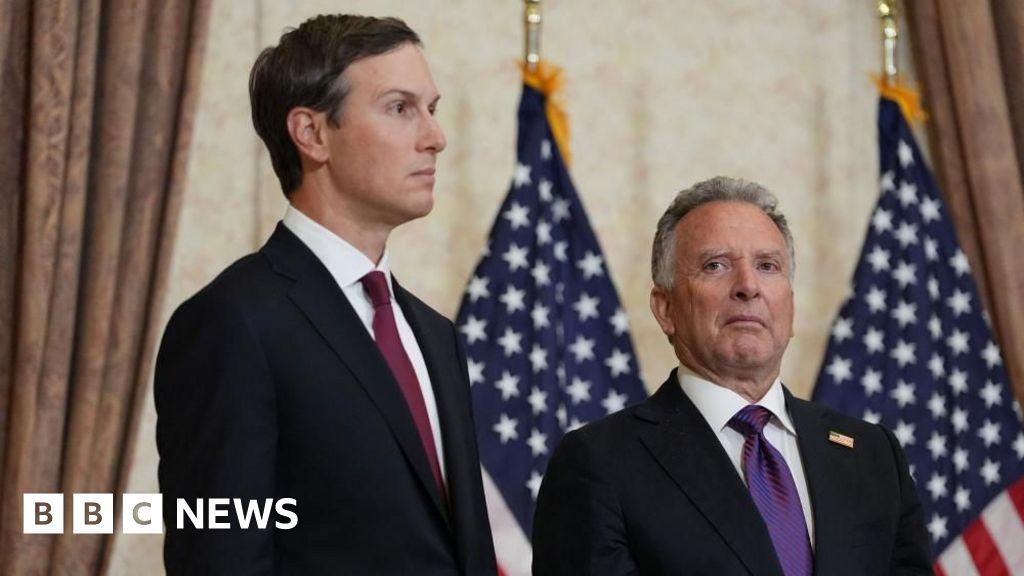
CNN also said satellite imagery revealed the scale of destruction in Lebanon, and it quoted Israeli Prime Minister Benjamin Netanyahu saying, “We are maintaining full freedom of action against any threat, including emerging ones,” and “We struck yesterday and we struck today.”
CBS News described additional rocket activity from Lebanon, stating that “two more projectiles were fired from Lebanon,” with one intercepted and another falling in open territory, and it quoted the Israel Defense Forces calling it “a blatant violation of the ceasefire understandings by the Hezbollah terrorist organization.”
NBC News similarly referenced Israel’s continued actions, noting that “Israel and Lebanon yesterday agreed to extend a ceasefire by three weeks, though some attacks between Israel and Hezbollah militants have continued.”
Fox News reported that the IDF eliminated “more than 15 Hezbollah terrorists in southern Lebanon,” including three Hezbollah terrorists driving in a vehicle loaded with weapons and an additional terrorist riding a motorcycle.
In this environment, the negotiation format dispute—whether direct meetings occur—runs alongside continued military operations in Lebanon and ongoing pressure around the Strait of Hormuz.
More on Iran

Iran’s Abbas Araghchi Travels to Pakistan as Trump Sends Witkoff and Kushner for Ceasefire Talks
36 sources compared
Trump Orders U.S. Forces To Board Iranian Ships Amid Hormuz Blockade
17 sources compared

Ahmad Vahidi and the IRGC Control Iran, Jerusalem Post Says Mojtaba Khamenei Not Leading
22 sources compared
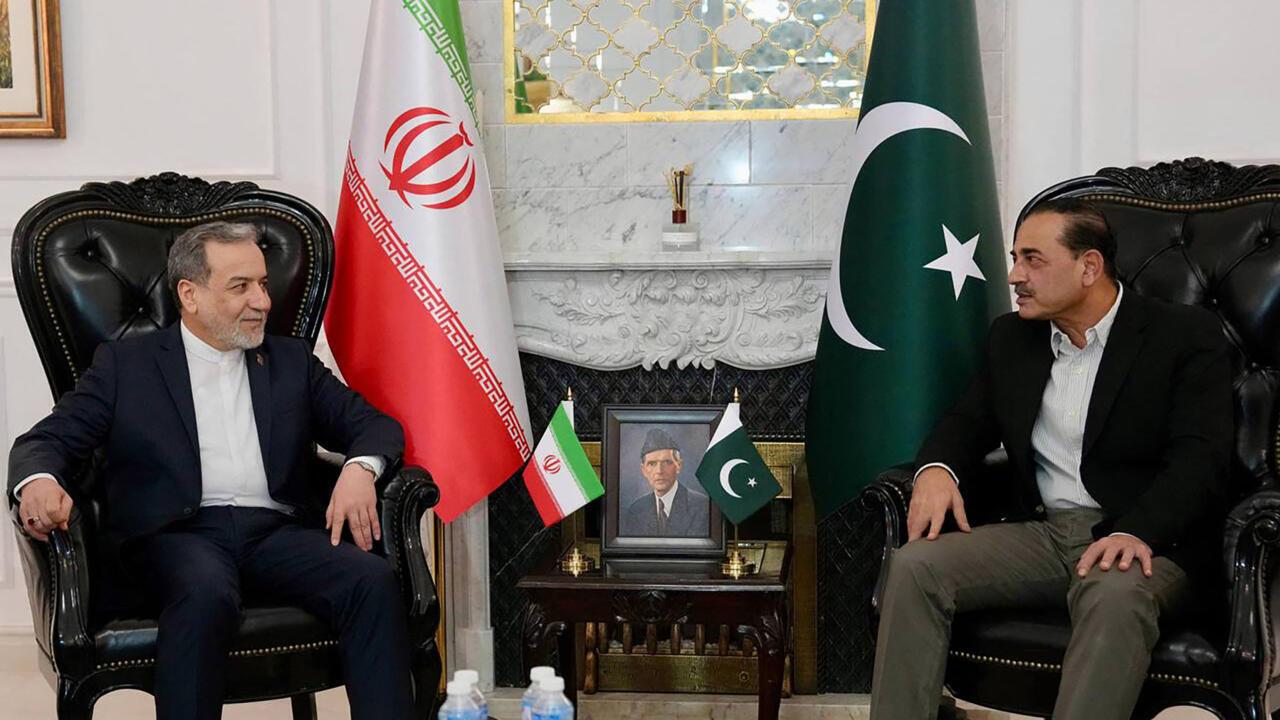
Iran Rules Out Direct Talks With U.S. as Trump Envoys Travel to Islamabad
32 sources compared