
Trump Sends U.S. Officials to Pakistan for Iran Talks as Strait of Hormuz Stays Largely Closed
Key Takeaways
- U.S. negotiators head to Pakistan for new Iran talks.
- Strait of Hormuz remained largely closed, traffic halted.
- Vice President JD Vance will lead the U.S. delegation to Pakistan.
Ceasefire nears expiry
A two-week ceasefire between the United States and Iran agreed “two weeks ago” is set to expire within days, as Washington and Tehran race to shape the next round of talks while the Strait of Hormuz remains “largely closed.”
In a Sunday announcement, President Donald Trump said American officials will travel to Pakistan for further negotiations, with The New York Times reporting that “Vice President JD Vance would again lead the U.S. delegation, accompanied by the top Trump aides Steve Witkoff and Jared Kushner.”
The New York Times also said the talks would be the “second meeting of high-level officials since a two-week cease-fire went into effect on April 8,” and it placed the timing of Trump’s announcement alongside the Strait of Hormuz’s continued shutdown.
Reuters’ account in El País framed the countdown in terms of “less than 72 hours left until the ceasefire… expires,” and described both sides pressing “the final negotiation options” before the conflict enters “a new phase of unpredictable consequences.”
El País added that Iranian authorities said they would not attend “as long as there is a naval blockade” by the United States, citing the Iranian news agency Tasnim.
CNN similarly reported that “Vice President JD Vance and other top US officials will hold another round of peace talks with Iran in the coming days,” while noting that “Iranian sources said a delegation from the country will arrive in Pakistan on Tuesday,” and that Iran’s state media had yet to confirm plans for a Tehran delegation.
Across the coverage, the Strait of Hormuz’s status is the central operational constraint: The New York Times said it “appeared largely shut on Sunday,” while CNN said “Tehran has once again blocked the passage of most ships through the strait.”
Trump’s ultimatum
As the ceasefire deadline approached, Trump paired diplomacy with threats aimed at Iran’s infrastructure, repeatedly linking the fate of talks to the Strait of Hormuz and to demands about Iran’s nuclear program.
The New York Times reported that Trump’s announcement came “with a renewed threat to attack Iran’s civilian infrastructure if the strait is not reopened and an extension of the cease-fire is not reached,” and it quoted Trump posting on Truth Social: “We’re offering a very fair and reasonable DEAL, and I hope they take it because, if they don’t, the United States is going to knock out every single Power Plant, and every single Bridge, in Iran.”

El País described Trump’s rhetoric as “more bellicose,” including his Truth Social line: “We are offering a very fair and reasonable AGREEMENT, and I hope they accept it, because if they do not, the United States will destroy every single power plant, as well as every bridge in Iran.”
Gulf News similarly said Trump “sharply escalated rhetoric against Iran,” writing “NO MORE MR. NICE GUY!” and warning that if Tehran refused a deal, the United States was “going to knock out every single Power Plant, and every single Bridge, in Iran.”
NPR tied the threats directly to the talks schedule, saying Trump wrote that “the United States is going to knock out every single Power Plant, and every single Bridge, in Iran. NO MORE MR. NICE GUY!” while also accusing Iran of violating the ceasefire in the strait.
The Times of Israel added that Trump told Fox News that if Tehran does not accept Washington’s proposals, the whole of Iran would be “blown up,” and it said he demanded Iran “reopen the Strait of Hormuz and give up its highly enriched uranium.”
In parallel, U.S. officials argued that infrastructure targeting would be framed as legitimate under the laws of war: The New York Times quoted Mike Waltz telling NBC’s “Meet the Press” that such assets were a “legitimate target” because such infrastructure is effectively “powering Iran’s military.”
Hormuz as the leverage
The Strait of Hormuz is portrayed across the reporting as both the immediate flashpoint and the bargaining chip that determines whether talks can proceed.
“Skip to main content 24 hours ago - Politics & Policy Scoop: Trump convenes Iran situation room meeting amid renewed Hormuz crisis Barak Ravid email (opens in new window) sms (opens in new window) facebook (opens in new window) twitter (opens in new window) linkedin (opens in new window) bluesky (opens in new window) Add Axios as your preferred source to see more of our stories on Google”
The New York Times said “Iran said it had effectively closed the Strait of Hormuz, defying one of Mr. Trump’s conditions,” and it described the waterway as “critical for global energy supplies” that “appeared largely shut on Sunday.”
CNN reported that “Tehran has once again blocked the passage of most ships through the strait, alleging US “breaches of trust,”” and it said “No tankers have crossed the Strait of Hormuz today, according to tracking data.”
CNN also described Iranian actions in operational terms, saying “two sanctioned tankers carrying liquid petroleum gas were heading out of the Persian Gulf when they were abruptly turned around by Iran’s armed forces,” and it added that “Video from ship tracking site Marine Tracker shows many vessels anchored.”
NPR and CNBC both tied the strait’s disruption to U.S. blockade policy and to the timing of negotiations, with NPR saying Iran “has again closed the vital economic waterway” and that it would “restrict ships from passing through as long as the U.S. continues its blockade of Iranian ports.”
CNBC reported that Iran’s parliament speaker and top negotiator, Mohammad Bagher Ghalibaf, said “It is impossible for others to pass through the Strait of Hormuz but not us. If the U.S. does not abandon the blockade, traffic in the Strait of Hormuz will certainly be restricted,” and it also quoted the same official warning that “It is not the case that we think just because we are negotiating, the armed forces are not ready.”
El País added that Iranian authorities would not attend talks “as long as there is a naval blockade,” and it described the strait’s opening and reversal as a cycle of pressure, saying Iranian authorities “reopened the strategic passage after feeling defrauded by Washington’s maintenance of the blockade of Iranian ports.”
Who will go to Islamabad
The reporting also shows a shifting picture of who will lead the U.S. delegation and whether Iran will send negotiators, with multiple outlets describing reversals and uncertainty.
The New York Times said “Vice President JD Vance would again lead the U.S. delegation,” and it named Steve Witkoff and Jared Kushner as accompanying aides, while also stating “There was no immediate comment from Tehran.”

El País described confusion around Vance’s travel, saying Trump told ABC on Sunday morning that “his number two would not be able to travel to Islambab for security reasons,” but that “later White House officials said he would lead the negotiations” and that “Things have changed.”
The Guardian likewise described “White House says Vance actually is going to Islamabad,” recounting that “the Trump administration has reversed course three times on whether JD Vance would be heading to Islamabad for the next round of Iran peace talks.”
NPR reported that “U.S. officials are heading to Islamabad, Pakistan, for another round of talks with Iran,” and it said “The three U.S. officials heading to Pakistan are Vice President Vance, U.S. special envoy Steve Witkoff and Jared Kushner, President Trump's son-in-law, according to a White House official who spoke on background.”
CNN added that “Iranian sources said a delegation from the country will arrive in Pakistan on Tuesday,” while also emphasizing that “Iran’s state media has yet to confirm plans for a Tehran delegation to attend.”
El País and The Times of Israel both tied participation to the blockade condition, with El País citing Tasnim that Iran would not attend “as long as there is a naval blockade,” and The Times of Israel quoting Tasnim that there was “currently no decision by Iran to send a negotiating delegation to Pakistan ‘as long as there is a naval blockade,’”
Stakes and next moves
The next phase of the confrontation is framed as a race between negotiation and renewed hostilities, with multiple outlets describing how quickly the situation could change if no agreement is reached.
Axios reported that Trump convened a White House Situation Room meeting “to discuss the renewed crisis around the Strait of Hormuz and negotiations with Iran,” and it said the ceasefire was “expected to expire in three days,” with “no final date set for a new meeting between U.S. and Iranian negotiators.”

Axios also said the situation room meeting was attended by Vice President Vance, Secretary of State Marco Rubio, Defense Secretary Pete Hegseth, and Treasury Secretary Scott Bessent, and it named additional attendees including “CIA Director John Ratliffe” and “Joint Chiefs chairman Dan Caine.”
It further reported that “Pakistani army chief Asim Munir held mediation talks between the U.S. and Iran in Tehran this week,” and that U.S. officials said Trump spoke by phone at least once with Munir and the Iranians.
Gulf News described the negotiations as Trump’s “last chance” and said he told Fox News, “If Iran does not sign this deal, the whole country is getting blown up,” while also quoting his “NO MORE MR. NICE GUY!” warning.
NPR added that the U.S. military blockade is already producing operational effects, saying “The U.S. military said on X that it forced 23 ships to turn around,” and it noted that “More than 20,000 seafarers have been stuck on hundreds of ships in the Gulf since the war began in late February.”
The New York Times emphasized the economic and legal stakes by noting that Trump’s ultimatum “could violate international conventions on the laws of war,” and it placed the strait’s closure in the context of global energy supplies by stating that “roughly 20 percent of the world’s oil normally travels” through the waterway.
More on Iran

Donald Trump Threatens Iran Infrastructure Strike Over Strait Of Hormuz Ceasefire Violations
23 sources compared

Trump Threatens Strikes as Iran Fires on Ships in Strait of Hormuz
11 sources compared
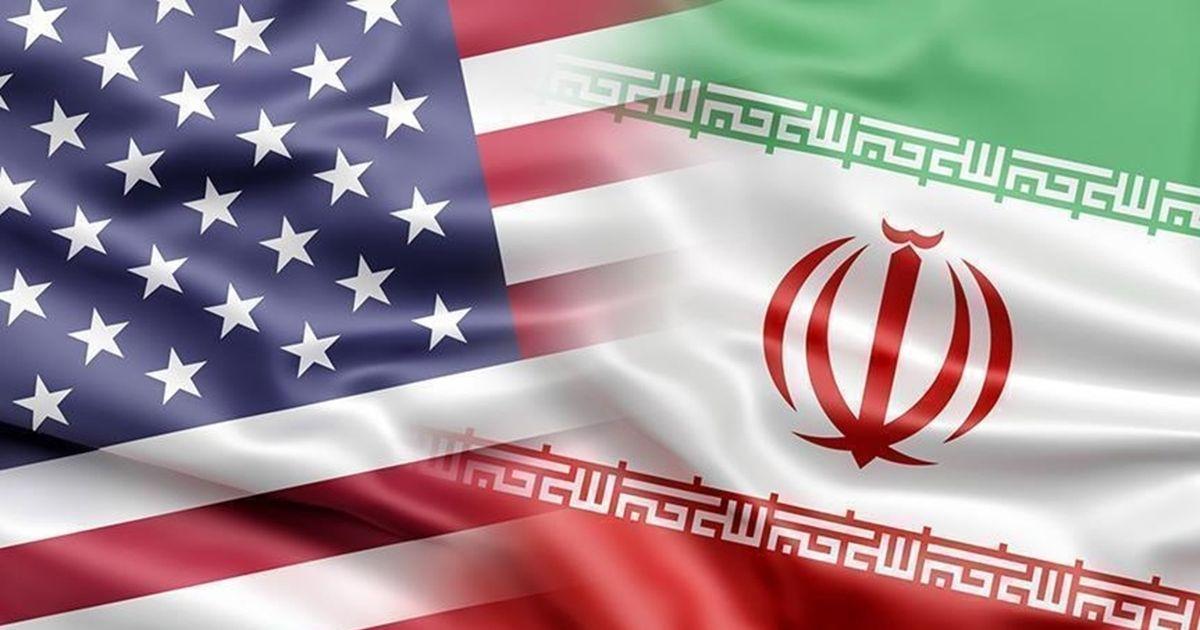
Donald Trump Sends U.S. Delegation to Pakistan for Iran Talks, Threatens Power Plants and Bridges
47 sources compared

Iran Rejects Trump Claims It Will Transfer Enriched Uranium to the United States
21 sources compared