Full Analysis Summary
U.S. policy concerns at Munich
The Munich Security Conference convened amid alarm over a shifting U.S. posture that several commentators attribute directly to President Trump's second term.
CNN calls that shift a deliberate 'creative destruction of global norms under President Trump,' saying the policy is causing internal damage to the postwar order and likening it to a 'wrecking ball swinging from inside the house,' citing White House and Pentagon strategy documents as evidence.
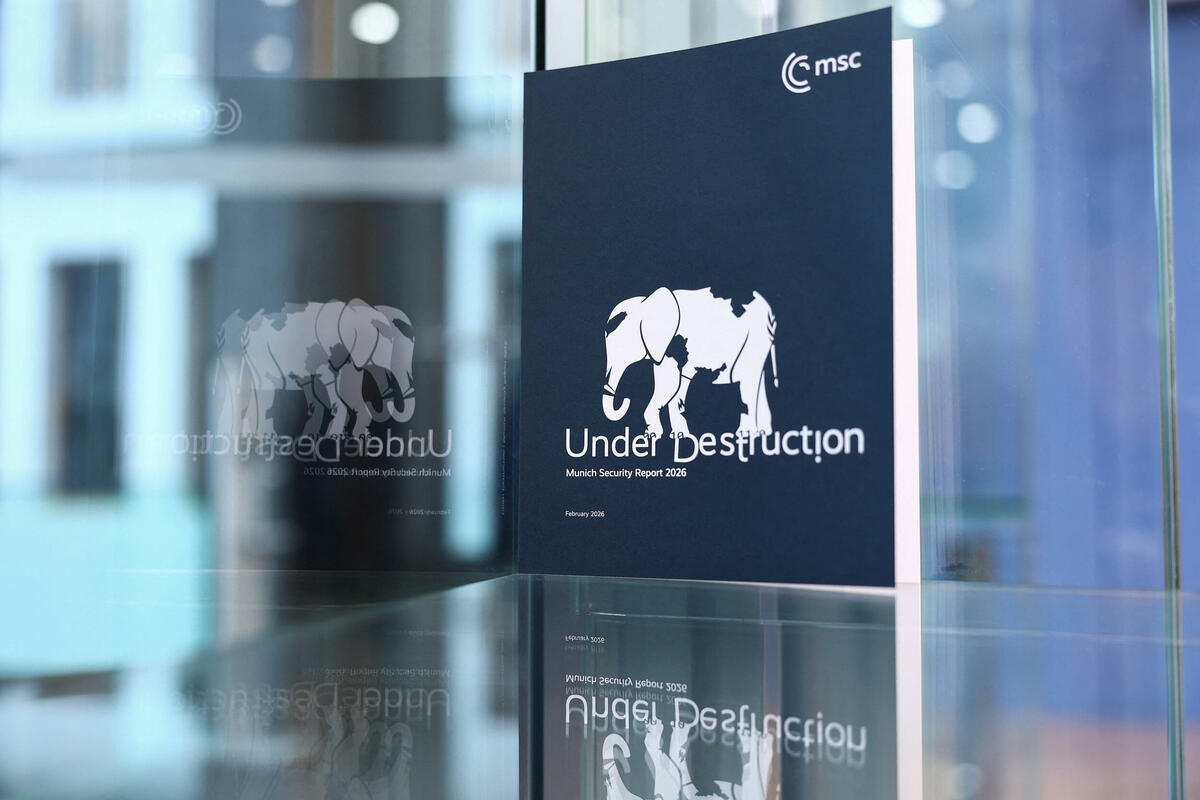
Vijesti.me reports a similar European sense of crisis, describing a mood 'one of resignation rather than hope' and citing the Munich Security Report 'Under Destruction,' which calls Trump a 'demolition man' whose policies and 'dismissal of international law' are eroding established rules and institutions.
Taken together, these sources portray this year's Munich meeting less as a confident reaffirmation of Pax Americana than as a forum confronting its possible unravelling.
Coverage Differences
Tone
CNN (Western Mainstream) uses vivid metaphors and institutional cues—“creative destruction,” “wrecking ball,” and references to White House and Pentagon strategy documents—to present the U.S. shift as an active policy damaging global norms. vijesti.me (Local Western) conveys a more resigned European mood, reporting that the Munich conference feels “one of resignation rather than hope” and citing the conference’s own report that brands Trump a “demolition man.” The two sources both signal alarm but differ in emphasis: CNN foregrounds U.S. policy mechanics and internal actors; vijesti.me foregrounds European sentiment and the conference’s framing.
Europe's response to transatlantic rift
European leaders are portrayed scrambling to assess and respond to a transatlantic rupture.
CNN notes actions it says reflect the strategic shift, pointing to pre-conference visits by U.S. Secretary of State Marco Rubio to Trump-aligned leaders Robert Fico and Viktor Orbán.
CNN also cites past shocks, such as J.D. Vance's attacks on European liberal democracies hardening into official policy.
vijesti.me emphasizes that statesmen across Europe are worried about deeply damaged transatlantic ties a year into Donald Trump's second term.
It quotes Munich chair Wolfgang Ischinger describing an unprecedented crisis of credibility and trust.
Both sources show European leaders on the defensive, debating whether diplomatic engagement at Munich can repair trust or simply stage-manage a new status quo.
Coverage Differences
Narrative Framing
CNN (Western Mainstream) frames specific U.S. actions and personalities—Rubio’s visits, Vance’s rhetoric turned policy—as evidence the transatlantic order is shifting from within. vijesti.me (Local Western) frames the story through European reaction and institutional alarm—Ischinger’s phrase “unprecedented crisis of credibility and trust” and the sense that ties are “deeply damaged.” CNN privileges agency within U.S. policymaking; vijesti.me privileges European perception and institutional diagnosis.
Strains on Postwar Order
Reporting across the two outlets converges on the idea that longstanding pillars of the postwar order—what CNN calls the foundations of "Pax Americana"—are under strain, but they highlight different proximate causes.
CNN points to internal U.S. dynamics, describing the policy shift as now reflected in "White House and Pentagon strategy documents," and portrays the problem as originating in Washington's changing posture.
vijesti.me frames the deterioration as a European experience, saying transatlantic ties are "deeply damaged" and presenting the Munich report's language about a "demolition man" and "demolitionist" policies that dismiss international law.
The combined picture is of a structural challenge that both sides recognize, even if they weigh domestic drivers and regional consequences differently.
Coverage Differences
Emphasis
CNN (Western Mainstream) emphasizes internal U.S. policy decisions and documentation (White House and Pentagon strategy documents) as the proximate driver of the order’s erosion. vijesti.me (Local Western) emphasizes the effect in Europe—diplomatic damage, a resigned mood, and the Munich report’s explicit labeling of Trump as a “demolition man.” That mismatch reflects source perspective: U.S.-focused reporting traces origins in Washington; Europe-focused reporting centers regional impact and elite reaction.
Munich conference's uncertain role
Despite bleak assessments, both sources report that Munich intends to function as a venue for dialogue, albeit with doubt about its capacity to restore what has been lost.
CNN frames the conference's constructive value as in doubt and asks whether the forum can still matter as transatlantic alignments shift.
Vijesti.me stresses that the more-than-60-year-old conference intends to serve as a venue for exchange and dialogue even amid resignation.
This juxtaposition in coverage, with one source emphasizing a wrenching internal U.S. policy shift and the other highlighting European alarm and continuity, underscores the complexity leaders face at Munich.
Leaders must decide whether to seek repair through engagement or to scramble for new, more autonomous security arrangements.
Coverage Differences
Outlook
CNN (Western Mainstream) expresses skepticism about the conference’s constructive value amid an internal U.S. shift, saying the change leaves Munich’s usefulness “in doubt.” vijesti.me (Local Western) accepts the bleak diagnosis but emphasizes the conference’s continuity and intention to remain a venue for dialogue. The result is a nuanced divergence: CNN highlights doubt about impact; vijesti.me highlights persistence of the forum despite resignation.