ABC30 Fresno
House begins debate before government funding bill vote
 ABC7 Los Angeles
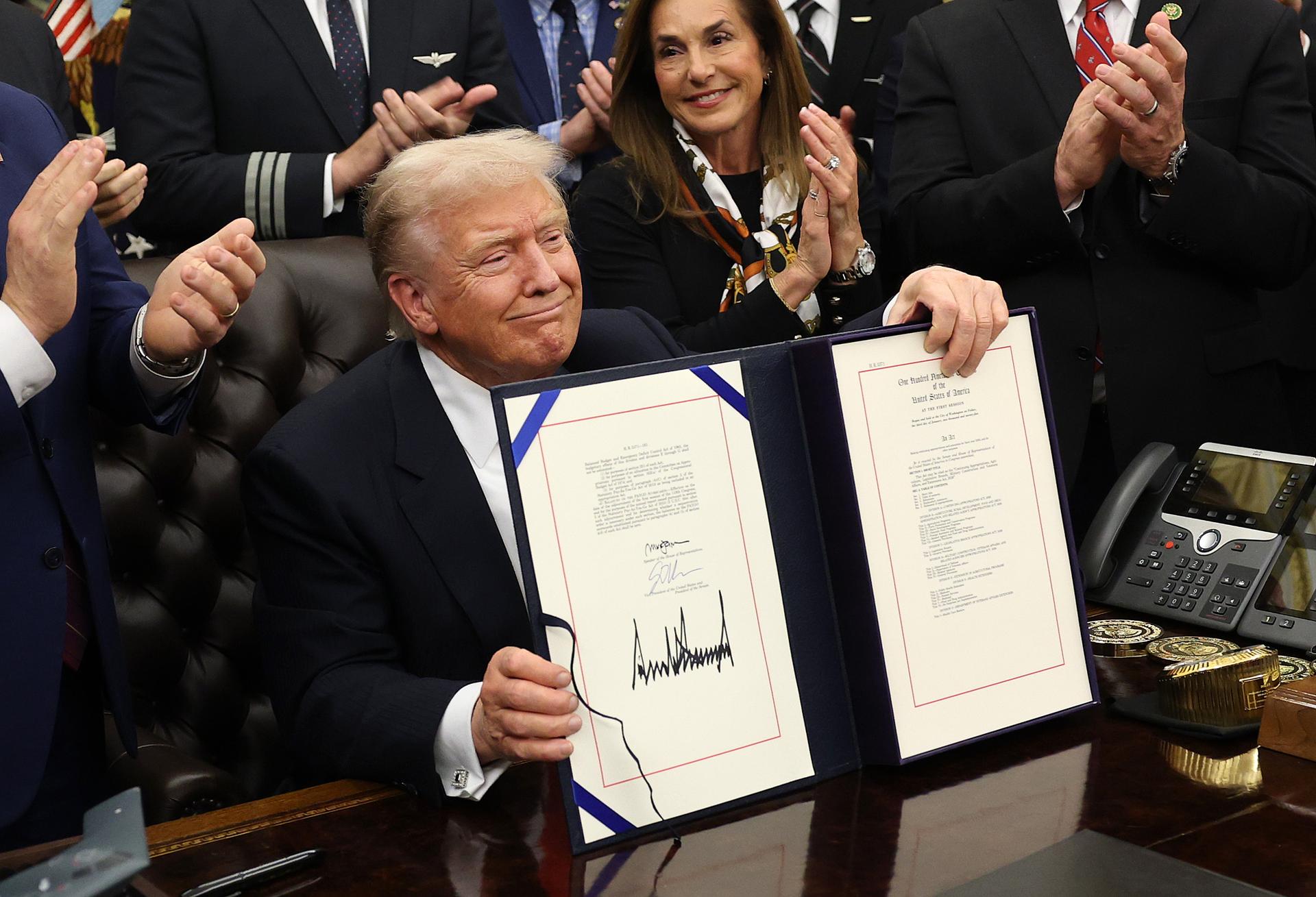
Government shutdown updates: President Trump signs bill to reopen government | Live updates
 abcnews.go
House passes funding bill to end longest-ever government shutdown
 abcnews.go
Government shutdown updates: Trump signs government funding bill
 abcnews.go
Who are the 6 House Democrats who broke with their party to end shutdown?
 Al Jazeera
Trump signs spending bill to end longest US gov’t shutdown in history
 Al Jazeera
US shutdown ends: What happens now, when will services resume?
 Altitudes Magazine
Trump Signs Bill Ending Longest Government Shutdown in U.S. History: “We Get Our Country Working Again”
 Anadolu Ajansı
Global markets rise as US government reopens after record shutdown
 Anadolu Ajansı
Trump signs funding bill, ending historic 43-day US government shutdown
 Anchorage Daily News
Trump signs government funding bill, ending longest shutdown in U.S. history
 AP News
President Trump signs government funding bill, ending shutdown after a record 43-day disruption
 AP News
Longest government shutdown in US history ends after 43 days, as Trump signs funding bill
 Arizona Daily Star
President Trump signs government funding bill, ending record 43-day shutdown
 Asian Hospitality
Trump signs bill ending longest shutdown
 Australian Broadcasting Corporation
Trump signs bill to end longest government shutdown in US history
 BBC
BBCUS ends its longest-ever government shutdown
 BBC
BBCTrump signs spending bill to end longest shutdown in US history
 BBC
BBCTrump signs spending bill to end longest shutdown in US history
 BBC
BBCTrump celebrates as Democrats face fallout from end of shutdown
 Bloomberg Government News
Record US Government Shutdown Ends as Trump Signs Spending Bill
 Boston 25 News
House passes bill to end longest US government shutdown; Trump signs measure
 Boston 25 News
House passes bill to end longest US government shutdown; Trump signs measure
 Brut
BrutTrump signs controversial funding bill into law, ending the government shutdown.
 Business Insider
The House just voted to end the longest government shutdown in US history after 43 days
 CatholicVote org
Trump signs funding bill to end record 43-day government shutdown
 CBS News
Government shutdown ends as Trump signs funding bill
 CBS News
These 6 House Democrats voted for bill to end government shutdown
 CBS News
Government shutdown now over as federal agencies reopen and employees return to work
 CNN
CNNPresident Trump signs bill to reopen government, ending longest shutdown in US history
 CNN
CNNNovember 12 — Government shutdown news
 CNN
CNNHow each House member voted on ending the government shutdown
 CNN
CNNLive updates: US government reopens after longest-ever shutdown | CNN Politics
 CoinCentral
US Government Shutdown Ends After 43 Days, Crypto Agencies Resume Operations
 Colorado Public Radio
Government shutdown ends after House passes spending package, Trump signs it
 CPA Practice Advisor
Trump Signs Bill to End Longest Government Shutdown After 43 days
 Daily Sabah
Trump signs funding bill, ending longest US government shutdown | Daily Sabah
 Daily Sabah
Trump signs funding bill, ending longest US government shutdown | Daily Sabah
 Deadline
The Shutdown Is Over: Trump Signs Bill To Reopen Government
 Democracy Now!
Trump Signs Stopgap Spending Bill, Ending Longest-Ever U.S. Government Shutdown
 Deseret News
Trump signs spending bill, ending record-long government shutdown
 DW
DWTrump signs spending bill, ending US government shutdown
 EBC Financial Group
Trump Signs Funding Bill, Ending 43-Day Government Shutdown
 EL PAÍS English
Trump signs bill ending the longest government shutdown in US history
 Euractiv
Trump signs bill to end record-breaking US shutdown
 Euronews
Trump signs government funding bill after House votes to end longest shutdown in US history
 Euronews
Video. US government shutdown ends after 43 days as Trump signs funding bill
 Fairbanks Daily News-Miner
Government reopens after 43 days: Trump signs bill ending record shutdown
 Federal News Network
Agencies prepare to bring back furloughed staff, rescind layoffs as shutdown comes to an end
 FEDweek
House Passes Bill to Reopen Agencies, Provide Back Pay and Cancel Shutdown RIFs; Heads to Trump
 Fortune
Record U.S. government shutdown is over—but Wall Street only has 10 weeks to relax before the next one could begin
 FOX 28 Spokane
Shutdown Tracker: House passes funding bill
 FOX 4 News Dallas-Fort Worth
Government expected to re-open after Trump signs funding bill
 FOX 5 DC
Government Shutdown 2025 Update: Trump signs bill, ending record 43 day disruption
 Fox News
Trump signs bill ending longest government shutdown in US history
 France 24
Trump signs bill ending record-breaking 43-day US government shutdown
 Government Executive
Government to reopen after House votes to end longest-ever shutdown
 Hays Post
🎥President Trump signs bill to end the 43 day government shutdown
 Hoosier Ag Today
President Trump Signs Funding Bill to End the Federal Government Shutdown
 i24NEWS
Trump Signs Bill Ending Longest US Government Shutdown In History
 International Business Times UK
Trump Ends 43-Day Shutdown, Withholding October Inflation Data from Americans
 Investopedia
Historic Government Shutdown Is Coming to an End—But Another Budget Fight Looms
 JC Post
🎥President Trump signs bill to end the 43 day government shutdown
 Kauai Now
Breaking News: After record 43 days, federal government shutdown ends
 KBTX News 3
President Trump signs bill ending longest government shutdown in U.S. history
 KSL
KSLTrump signs deal to end longest government shutdown in US history
 KTAR News 92.3 FM
President Donald Trump signs bill to end longest shutdown in US history
 kurdistan24.net
Trump Signs Bill Ending Record 43-Day Shutdown Amid Fierce Partisan Divisions
 livemint
Donald Trump ends historic 43-day government shutdown as he signs funding bill
 livemint
Trump signs bill to end longest government shutdown in US history—What it means for Americans
 LiveNOW from FOX
Trump signs bill ending historic government shutdown
 MLive
MLiveShutdown over: Trump signs funding bill ending historic 43-day government disruption
 Modern Diplomacy
Trump Signs Deal Ending Longest U.S. Government Shutdown
 NBC News
Trump signs legislation to reopen the government
 NBC News
What comes after the shutdown and Epstein fallout continues: Morning Rundown
 NBC News
House vote to end government shutdown expected Wednesday; Supreme Court extends pause on providing full SNAP benefits
 NDTV
NDTVDonald Trump Signs Bill To End Longest US Government Shutdown In History
 New York Post
Trump signs funding bill to end historic, 43-day government shutdown
 News Channel 5 Nashville
President Trump signs spending bill approved by Congress, ending longest government shutdown in history
 NewsBreak
President Trump Signs Funding Deal, Ending Record 43-Day Government Shutdown
 newscentermaine
Golden, Pingree split on bill to end federal government shutdown
 Newsday
Government shutdown ends after 43 days, as House approves and Trump signs funding deal
 Newsweek
Shutdown deal heads to house with vote expected tonight—Live updates
 North Platte Post
Government to reopen after 43 days: House sends bill to Trump ending record shutdown
 NPR
NPROn day 43 of the shutdown, a vote in the House could bring the impasse to an end
 NPR
NPREpstein Documents Dump, Government Reopens, Affordable Care Act Limbo
 NPR
NPRThe longest government shutdown in U.S. history comes to a close
 NTD News
Trump Signs Bill to Reopen Government, Ending Record-Long Government Shutdown
 PBS
PBSThe shutdown is over, with no winners and much frustration. How did we get here?
 People
U.S. Government Reopens After 43 Days, Wrapping the Longest Shutdown in History
 Pittsburgh Post-Gazette
President Trump signs government funding bill, ending shutdown after a record 43-day disruption
 Pittsburgh Post-Gazette
Government slowly reopens after 43-day shutdown
 qazinform
Trump signs bill to end record U.S. government shutdown
 Regtechtimes
Food stamps paused, phones probed, and $500K pay-outs? shutdown ends but chaos lingers
 Roll Call
Trump signs spending bill to end longest government shutdown
 San Francisco Examiner
Government reopens as Trump signs bill to end nation's longest shutdown
 Scripps News
President Trump signs spending bill approved by Congress, ending longest government shutdown in history
 Simple Flying
Record US Government Shutdown Ends After 43 Days
 Sky News
Trump signs bill to end shutdown - but doesn't take questions after Epstein files released
 South China Morning Post
US government reopens, but costs of 43-day shutdown will linger for weeks
 South China Morning Post
Trump signs funding bill to end longest US government shutdown
 South Florida Reporter
President Trump Signs Bill to Reopen Government After Historic 43-Day Shutdown (Video)
 stl.news
U.S. Government Reopens After 43-Day Shutdown
 Successful Farming
Government Reopens After 43 days: Trump Signs Bill Ending Record Shutdown
 The American Bazaar
Trump signs bill to end the longest government shutdown
 The Australian
Longest shutdown ends, but healthcare fight is just beginning
 The Boston Globe
House votes to reopen the government, sends bill to Trump for his signature. Here’s how it unfolded.
 The Colorado Sun
President Trump signs government funding bill, ending shutdown after a record 43-day disruption
 The Globe and Mail
Trump signs bill ending the longest U.S. government shutdown in history
 The Grand Island Independent
President Trump signs government funding bill, ending record 43-day shutdown
 The Guardian
US House begins voting on bill that could end longest ever government shutdown
 The Guardian
Democrats sift through shutdown’s ashes after resistance finally breached
 The Independent
Trump signs bill ending longest government shutdown in history which disrupted air travel and food benefits for millions
 The Telegraph
Trump signs bill to end longest US government shutdown
 The Times of India
43-day logjam ends: US lawmakers vote to end record govt shutdown — key points
 thenationalnews
Donald Trump signs bill to end longest US government shutdown in history
 Time Magazine
Trump Signs Bill to End Longest Shutdown in History
 Time Magazine
How the Government Shutdown Will End as Soon as Wednesday
 Time Magazine
The Six House Democrats Who Voted With the Republicans to End the Government Shutdown
 TMZ
TMZTrump Signs Bill to Reopen Government After Record 43 Day Shutdown
 tovima
Trump Signs Spending Bill, Ending Longest Shutdown in U.S. History
 TradingView
BREAKING – Crypto Markets Cheer As Trump Signs Bill Ending Gov’t Shutdown
 TRT Afrika
Trump signs funding bill into law, ending historic government shutdown
 Türkiye Today
Record 43-day US government shutdown ends as Trump signs bill
 upi
upiTrump signs stopgap funding to end shutdown after narrow House OK
 WBZ NewsRadio 1030
Trump Signs Funding Bill Officially Ending Record Government Shutdown
 WGXA
WGXAHouse passes funding bill clearing way for government to reopen after historic shutdown
 WHEC
WHECThe Latest: Longest government shutdown in US history ends after 43 days as Trump signs funding bill
 WLUK
WLUKHouse passes funding bill clearing way for government to reopen after historic shutdown
 WPEC
WPECHouse passes funding bill clearing way for government to reopen after historic shutdown