USA20 November, 20252 min read
Trump Signs Bill Requiring Release of Jeffrey Epstein Files
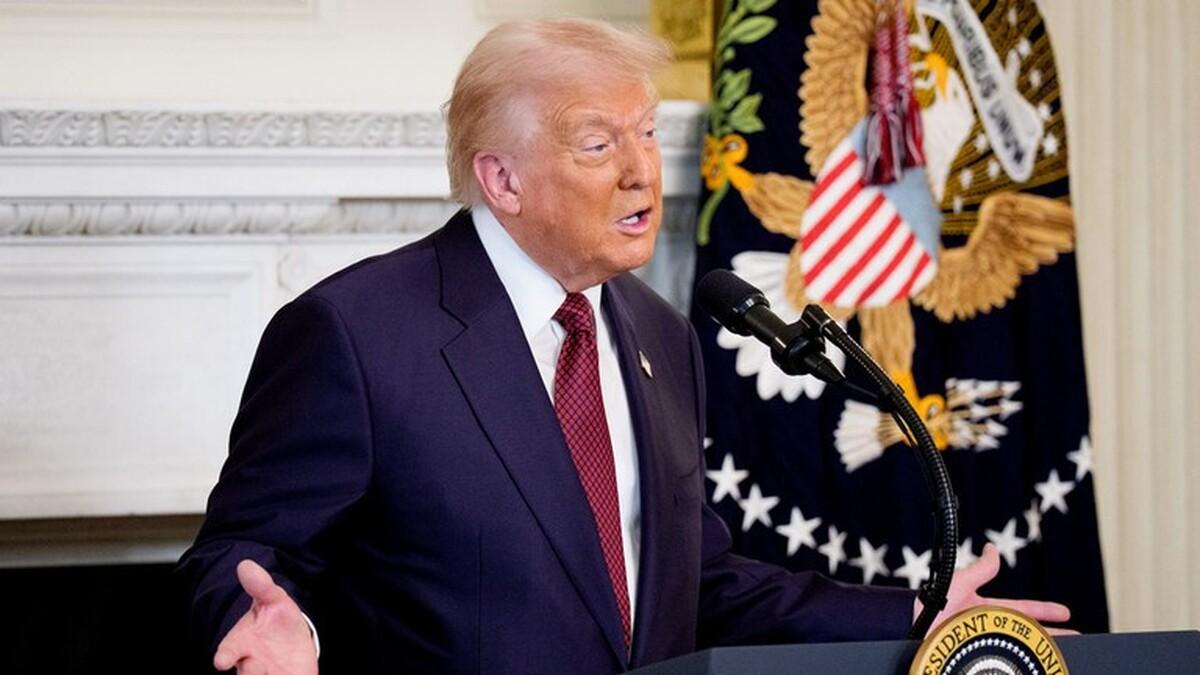
President Trump reversed months-long opposition and signed the Epstein files bill Congress passed the bill nearly unanimously: House 427–1 and Senate by unanimous consent
57 outlets told this the same way.
Outlets did split on Trump Interrupted by Protesters at San Antonio Rally for Ken Paxton →
Epstein records law enacted
President Donald Trump signed the Epstein Files Transparency Act, directing the Department of Justice to publicly release all unclassified records related to convicted sex offender Jeffrey Epstein within 30 days after enactment. Congress cleared the measure overwhelmingly: the House voted 427–1 and the Senate approved it by unanimous consent. The statute allows limited carve-outs for active probes and privacy concerns.
“President Trump signed legislation ordering the Justice Department to release government files from its Jeffrey Epstein probe within 30 days... passed overwhelmingly in the House (427–1) and by unanimous consent in the Senate.”
Trump's announcement and reactions
Trump announced the signing on his Truth Social account and repeatedly framed the move as politically useful. He attacked Democrats, called the disclosure push a partisan 'hoax,' used the phrase 'I HAVE JUST SIGNED THE BILL TO RELEASE THE EPSTEIN FILES!' and labeled Epstein a 'lifelong Democrat'. Several outlets cited Trump's social-media posts verbatim and noted he used the moment to press allegations about Democratic figures.
Redactions and disclosure limits
The law includes narrow protections and also explicit limits: officials may redact victims’ identities, child exploitation material, and information tied to active investigations or national security, but the statute bars withholding records solely for reasons of "embarrassment, reputational harm, or political sensitivity."
“The law allows withholding of child sex exploitation material, victims’ identifying information, and information tied to active investigations or national defense/foreign policy, but forbids blocking records solely for reasons of embarrassment, reputational harm or political sensitivity.”
Yet multiple reports warned that redactions, procedural delays or claims of ongoing probes could still limit what the public ultimately sees.
Bipartisan bill battle
The bill’s path exposed unusual bipartisan fractures and procedural drama. House Democrats and some Republicans used a discharge petition to force the vote after Speaker Mike Johnson resisted, and the House ultimately passed it 427–1 with some GOP members and former Trump allies joining Democrats in support. Several outlets reported that intra-party pressure and the threat of a floor defeat prompted Trump to reverse his earlier resistance.
Vote reaction and documents
Survivors and transparency advocates hailed the vote in public scenes captured across outlets, with abuse survivors in the House gallery and activists pressing for disclosure, even as watchdogs and some Democrats warned that redactions or new probes could be used to withhold damaging material.
“Survivors of Epstein’s abuse filled the House gallery and celebrated the vote, which was seen as a rebuke to Trump and House Speaker Mike Johnson.”
Reporting notes that thousands of previously released pages (tens of thousands by some counts) have already circulated, including documents with Epstein saying he could 'take [Trump] down' and that he knew 'how dirty Donald is,' which underscores why many seek full public access.
