Technology and Science12 December, 20252 min read
Trump Signs Executive Order Blocking State AI Regulations, Ignites Fierce Backlash
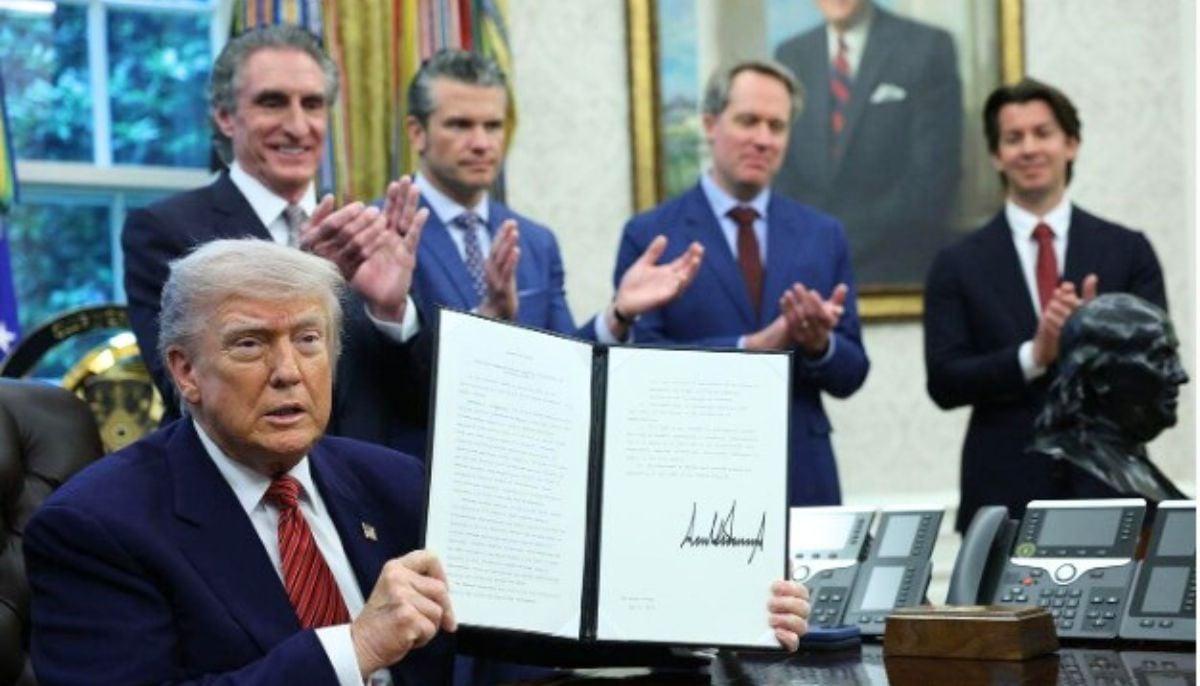
President Trump signed an executive order blocking states from enforcing their own AI regulations Order centralizes AI oversight under a single federal framework to prevent state regulatory patchwork
12 outlets told this the same way.
National AI rule framework
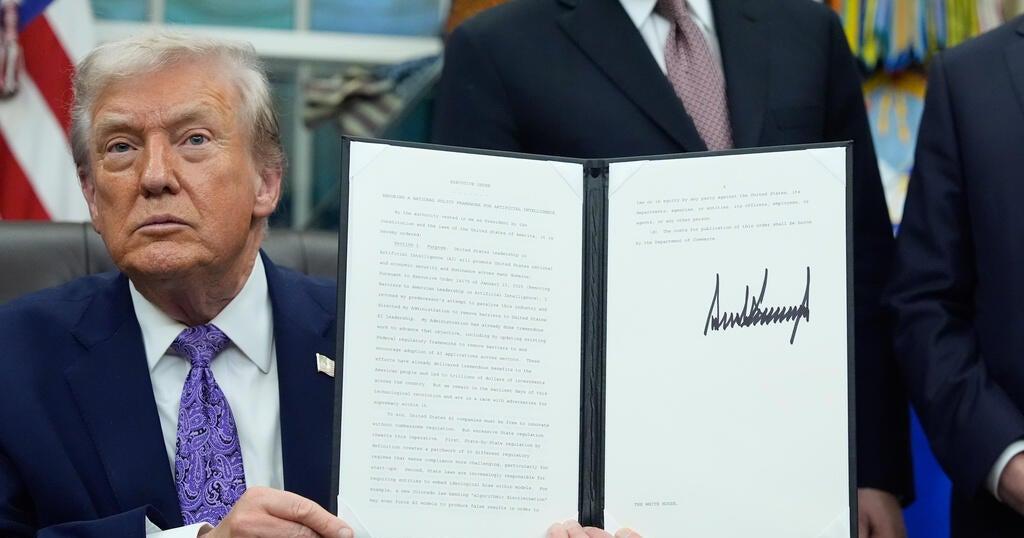
President Trump signed an executive order directing the federal government to preempt state-level artificial intelligence rules and create a single national framework, arguing the U.S. needs one central source of approval to avoid a patchwork of laws that could harm competitiveness.
“President Trump signed an executive order directing the federal government to block states from enforcing their own AI regulations, arguing the U.S. needs ‘one central source of approval’ to avoid a patchwork of rules that could stifle innovation and harm national competitiveness.”
The order explicitly empowers federal agencies to review and challenge state regulations, and spokespeople said the move was necessary to keep U.S. AI industry competitiveness vis-à-vis China.
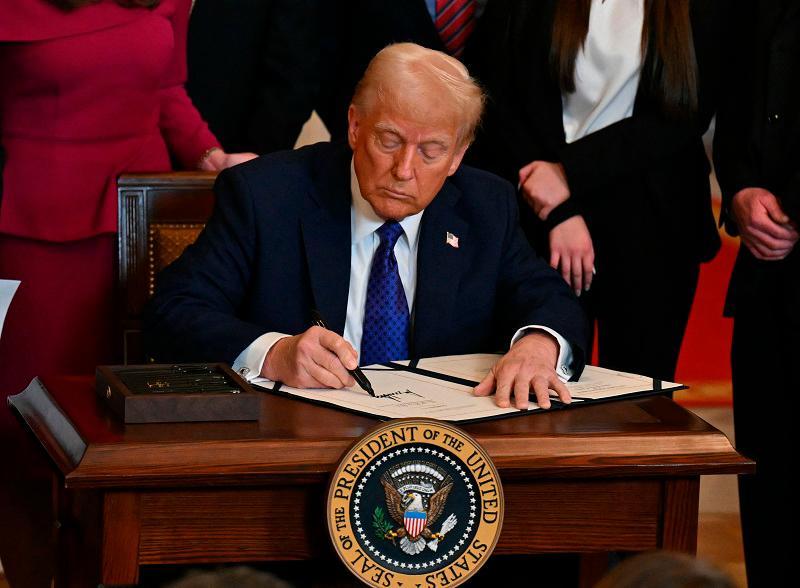
The administration also tied the initiative to cooperation with Congress to produce a unified federal approach.
Federal AI regulatory order
The order sets out concrete tools. It tasks Attorney General Pam Bondi with creating an AI Litigation Task Force to challenge state laws. The order directs the Commerce Department to review state regulations and links federal grant eligibility to state compliance, including broadband funding.
Some outlets say the Commerce review must identify problematic regulations within a short time window. The administration pledged to coordinate with Congress on a uniform standard.
Responses to federal AI order
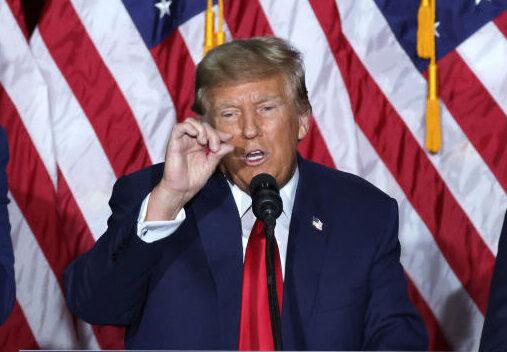
Reaction was immediate and sharply divided. Major tech firms and industry advocates welcomed the push for uniform federal standards, saying state-by-state rules would create compliance headaches. California and other states vowed resistance.
“The measure was welcomed by major tech firms that have long pushed for federal standards to avoid compliance costs and to keep pace with competitors such as China.”
Governor Gavin Newsom and other state officials characterized the order as an attempt to undermine state protections, while civil liberties and consumer groups cautioned that federal preemption could reduce accountability for AI harms. Some conservative figures also criticized the plan as federal overreach benefiting big tech.
Legal basis for AI order
The legal and political groundwork around the order is contested. Several outlets reported that Congress recently declined to impose a multi-year moratorium on state AI laws.
The administration’s route relies on executive authority, litigation and conditional funding rather than new legislation. Legal analysts and commentaries stress that executive orders cannot override statutes or the Constitution and are subject to judicial review, a point some sources raised when explaining likely court challenges and political limits.
Uncertain regulatory responses
It remains unclear how aggressively the administration will use the new legal and financial levers, whether states will mount sustained legal defenses, and whether Congress will enact a uniform framework or block the administration's approach.
“Trump said companies need a single approving authority and consulted tech leaders including Apple’s Tim Cook; the order also directs Sacks and the president’s science adviser to work with Congress on a uniform federal AI framework.”
Reporting varies — some outlets highlight national economic competition and industry lobbying, while others stress consumer protection, model truthfulness concerns and state autonomy, leaving the order's long-term effect uncertain.
