
Trump Signs GENIUS Act, Establishing Federal Framework for Stablecoins
Key Takeaways
- The GENIUS Act is the first comprehensive federal law regulating stablecoins in the U.S.
- Signed into law by President Donald Trump on July 18, 2025, at the White House.
- The legislation establishes a federal regulatory framework for stablecoins.
Legislative Framework
The GENIUS Act represents a significant federal regulatory framework for stablecoins in the United States.
“The GENIUS Act, signed into law at the White House in July 2025, is the first comprehensive federal law in the United States regulating stablecoins, a type of cryptocurrency backed by a stable asset such as the U”
This framework was established through a comprehensive legislative process that addressed key compromises between the House and Senate versions.
The final legislation differs significantly from the original House STABLE Act, which had proposed a two-year moratorium on endogenously collateralized stablecoins.
Instead, the GENIUS Act directs the Treasury to study non-fiat-backed stablecoins within one year, allowing for regulatory oversight without imposing an outright ban.
This compromise approach balances concerns about algorithmic stablecoins like Terra with the need to preserve innovation in the cryptocurrency space.
The legislative process involved careful negotiation to address competing interests while establishing clear guidelines for the evolving digital currency ecosystem.
Tech Company Restrictions
A major point of contention during the legislative process concerned whether non-financial companies should have the right to issue stablecoins.
The final law takes a middle path by generally prohibiting non-financial corporations from being issuers unless a high-level regulators' committee unanimously grants an exemption.
This approach represents a significant shift from the House bill, which did not explicitly restrict big tech issuers.
The Senate/Genius approach prevailed likely due to the influence of banking lobbies and bipartisan agreement that mixing 'Big Tech and Big Finance' increases systemic risk.
The Independent Community Bankers of America had actively advocated for prohibiting Big Tech from issuing stablecoins.
This priority was substantially addressed in the final legislation.
Political Drivers
The successful passage of the GENIUS Act was driven by a unique convergence of industry support, geopolitical ambition, and political compromise.
“The GENIUS Act, signed into law at the White House in July 2025, is the first comprehensive federal law in the United States regulating stablecoins, a type of cryptocurrency backed by a stable asset such as the U”
The cryptocurrency industry made substantial investments, contributing more than $100 million in the 2024 elections to back pro-crypto candidates.
This investment clearly paid off as their legislative agenda gained significant momentum.
Policymakers across political parties expressed genuine concern about stablecoins potentially causing future financial crises.
There were also concerns about stablecoins becoming dominated by foreign regimes.
Senator Lummis emphasized the stakes, stating the American innovation and dollar's primacy were at risk.
This combination of factors created the conditions for the Act to pass without difficulty.
Legal Definition
The GENIUS Act creates a comprehensive legal framework for what it defines as 'payment stablecoins.'
According to the legislation, a payment stablecoin is defined as a digital asset recorded on a distributed ledger.
These assets are used as a medium of payment or settlement and are redeemable on demand for a stable value of the national currency.
This definition effectively establishes clear legal parameters for tokens like USD₮ or USD₵ that function as digital money.
The Act's framework provides regulatory certainty for legitimate stablecoin operations.
It establishes boundaries to prevent risks associated with unregulated digital currency systems.
This legal clarity is intended to foster innovation within a supervised environment.
It ensures stablecoins can develop as legitimate financial instruments rather than existing in regulatory limbo.
More on Crypto

Boris Johnson Calls Bitcoin a Ponzi Scheme; Saylor, Eric Trump Defend Crypto
12 sources compared

Bybit Pay Joins Mastercard Crypto Credential Network, Lets Users Send Digital Assets Using Verified Aliases
10 sources compared
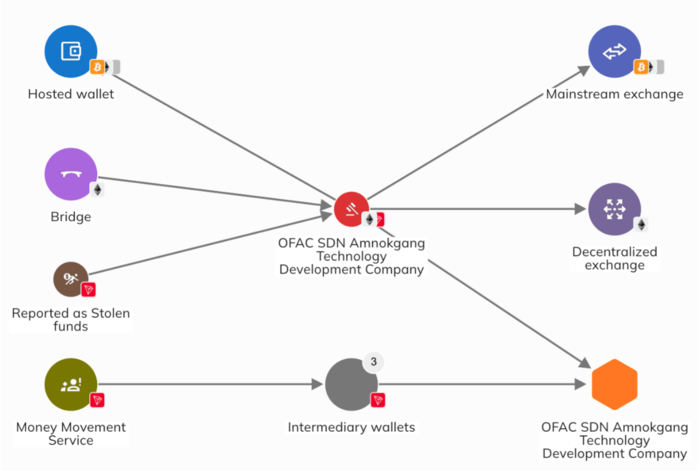
U.S. Treasury Freezes Crypto Network Feeding Nearly $800 Million To North Korea's Weapons Programs
10 sources compared

Europol and DOJ Freeze $3.4–$3.5M, Dismantle SocksEscort Proxy Network That Compromised 369,000 Devices
13 sources compared