USA18 December, 20252 min read
Trump Signs Order Directing Justice Department to Reclassify Marijuana From Schedule I to III
President directed the Attorney General to expedite rescheduling marijuana from Schedule I to Schedule III. Order aims to ease federal restrictions and accelerate medical marijuana research.

11 outlets told this the same way.
Outlets did split on Trump Interrupted by Protesters at San Antonio Rally for Ken Paxton →
Marijuana rescheduling order
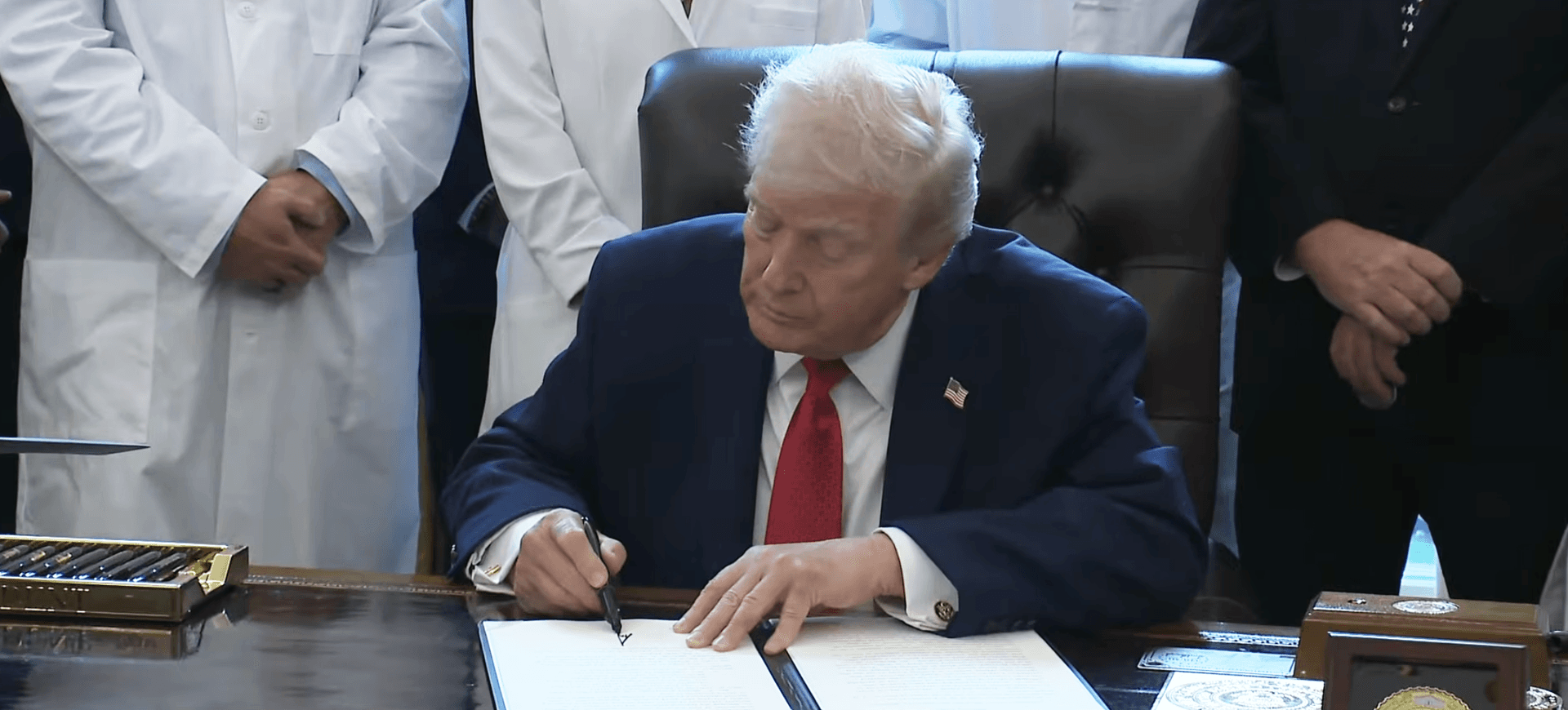
President Donald Trump signed an executive order directing the Justice Department to expedite reclassifying marijuana from a Schedule I to a Schedule III controlled substance, a move the administration framed as aimed at expanding medical research while not legalizing recreational use. The White House announcement, described as occurring at a ceremony with doctors, patients, veterans and law enforcement, asked the attorney general to speed the DEA's review and follow up on a rescheduling process that had been under way. Officials and coverage emphasized that the order itself does not instantly change federal scheduling and that full rescheduling requires DEA rulemaking and additional administrative steps.
“President Trump signed an executive order directing the U.S. Attorney General to speed up reclassifying marijuana from Schedule I to Schedule III under the Controlled Substances Act.”
Cannabis rescheduling goals
Officials and analysts described the practical goals of rescheduling as lowering barriers to medical research. They also cited facilitating FDA approval and pharmacy distribution of cannabis-derived products. Officials said rescheduling could reduce some regulatory and tax burdens on the cannabis industry.
Coverage noted Schedule III includes substances such as ketamine and some anabolic steroids, which face fewer research approval hurdles than Schedule I drugs. Rescheduling could help develop prescription medicines and improve access for patients and veterans.
Executive order limits and delays
Observers widely noted legal and procedural limits of the executive order. Outlets such as Cannabis Science and Technology emphasized the DEA retains final authority and that the order 'does not by itself reschedule the drug.'
“The order itself does not by itself reschedule the drug (the DEA has the final authority under the Controlled Substances Act), but it instructs agencies to pursue reclassification and expand research.”
Several reports also flagged there was no concrete implementation timeline and that the action builds on a review that began under the Biden administration. Analysts warned that publication in the Federal Register, potential lawsuits, and DEA rulemaking could delay any effective change.
Reactions and market impacts
Reactions were mixed: advocates and industry groups praised the focus on research and regulatory clarity. Critics warned of possible increased abuse without strict oversight, and some Republicans reportedly opposed the step.
Coverage recorded market and industry reactions, with Sherwood News describing a 'sell the news' response as U.S. cannabis stocks and major Canadian operators fell sharply. Reports also noted continued uncertainty over everyday operational issues like banking despite potential tax relief.

Federal cannabis policy steps
Next steps remain administrative and political. The White House asked the Justice Department and Attorney General to accelerate the DEA review. The order also asked the White House to work with Congress on revising statutory definitions for hemp-derived cannabinoid products, which CNN noted would be welcomed by CBD advocates and hemp businesses.
“The order also asks the White House to work with Congress to revise the statutory definition of hemp-derived cannabinoid products after recent funding language limited products with more than 0.4 mg THC per mg—news welcomed by CBD advocates, hemp farmers and related businesses.”
Observers pointed to the ongoing interplay between agency rulemaking, prior HHS recommendations and potential legal challenges as determinants of timing. Until DEA action and any regulatory changes are complete, federal prosecution risks and state-level laws continue to govern cannabis use.
