Business28 October, 20253 min read
Trump Signs Strategic Rare Earths and Trade Deal with Japan’s First Woman Prime Minister Sanae Takaichi in Tokyo
Trump and Japan’s PM Sanae Takaichi signed a deal securing critical minerals and rare earths supply chains. Takaichi pledged a 'new golden age' for US-Japan alliance, emphasizing defense and economic cooperation.
66 outlets told this the same way.
Outlets did split on CATL Starts Trial Production at Debrecen Battery Cell Plant in Hungary →
US-Japan Alliance and Resources
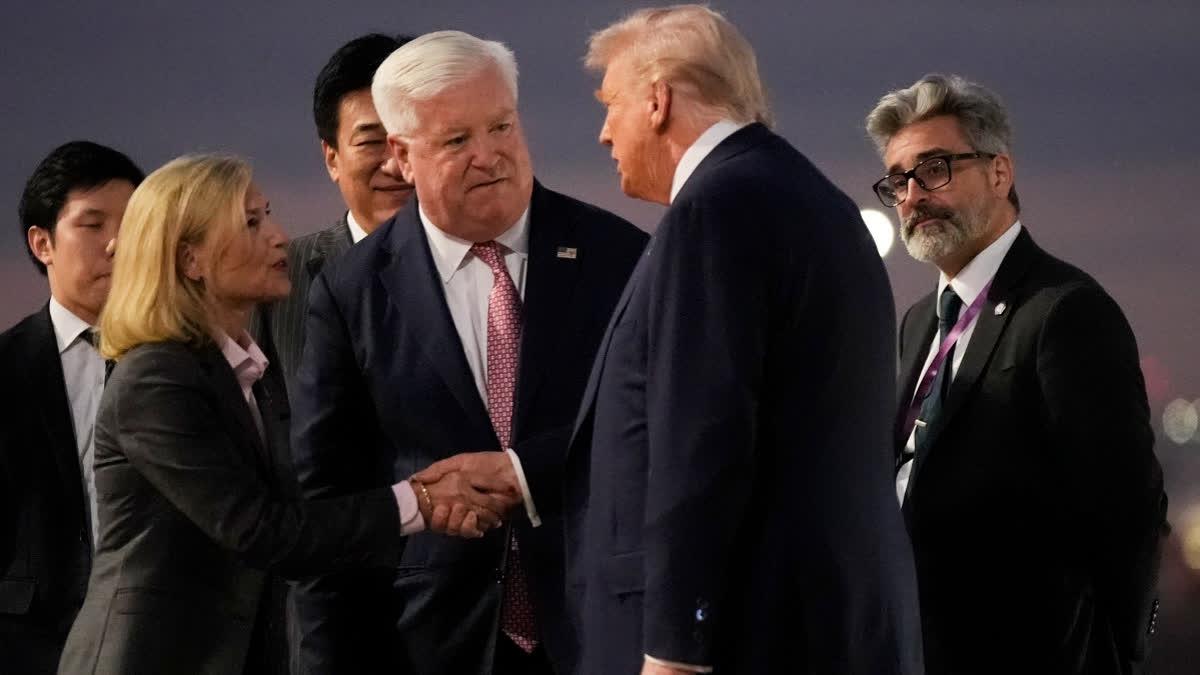
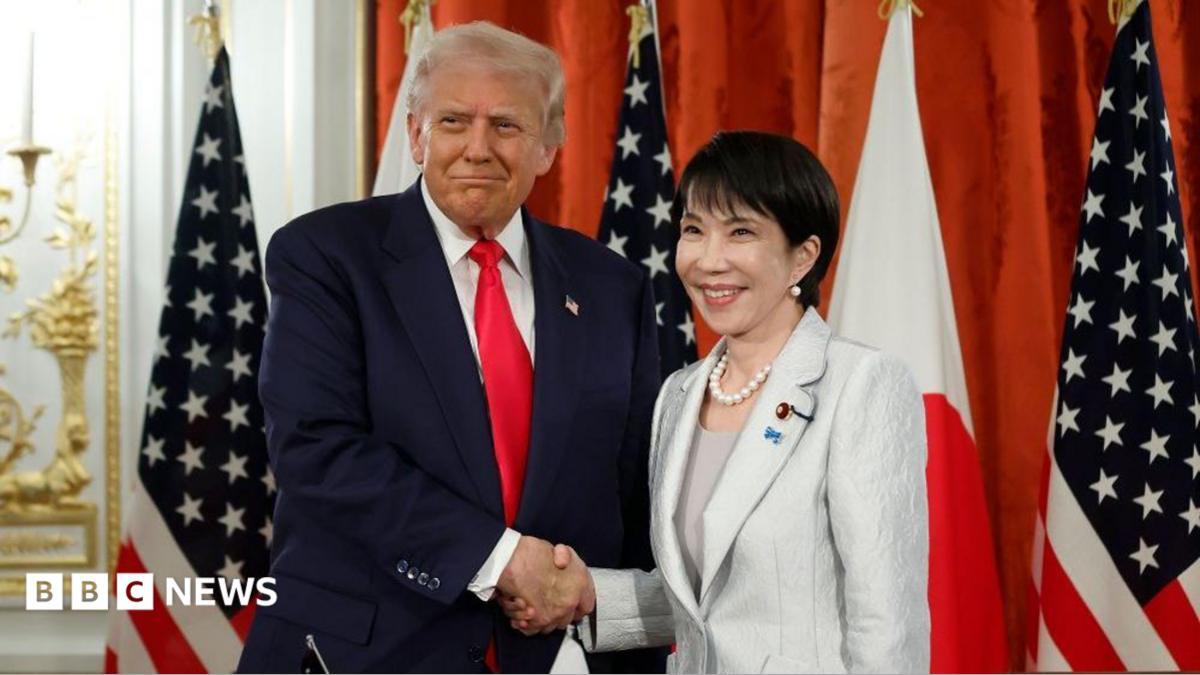
In Tokyo on 28 October 2025, U.S. President Donald Trump and Japan’s newly appointed first woman prime minister, Sanae Takaichi, unveiled two headline agreements.
“Japan’s new prime minister, Sanae Takaichi, and US President Donald Trump have declared a new ‘golden age’ in Japan-US relations... The leaders signed an agreement to secure the mining and processing of rare earths and critical minerals, aiming to reduce dependence on China amid its tightened export controls.”
The first was a proclamation heralding a “new golden age” of the alliance.
The second was a framework to secure rare earths and critical minerals supply chains to reduce reliance on China’s tightening controls.
Multiple Western mainstream outlets described the summit’s twin focus on alliance symbolism and strategic resources.
They also noted Takaichi’s decision to nominate Trump for the Nobel Peace Prize and her positioning as a protégé of the late Shinzo Abe.
The agreements aim to bolster mining, processing, and resilient supply chains amid China’s export restrictions.
Both leaders framed the moment as a reset in US‑Japan relations early in Takaichi’s premiership.
US-Japan Trade Relations
Several sources discuss trade details and disputed specifics beyond symbolic gestures. Asian and West Asian reports mention U.S. tariffs on Japanese exports decreasing from 24% to 15%. This change is linked to Japan’s commitment to invest $550 billion in the U.S.
Other sources claim the 15% tariff rate was only reaffirmed and highlight uncertainty about the investment. Coverage also points out that Trump pushed for greater U.S. access to Japan’s markets in cars, agriculture, and technology.
He urged increased purchases of rice and soybeans from the U.S. Some local outlets raise ongoing questions about the investment commitment and the stability of tariff reductions.
Rare Earths Supply Strategy
The rare earths accord is broadly portrayed as a bid to diversify and secure critical mineral supplies away from China, which dominates processing and has tightened export controls. Outlets say the framework targets mining, processing, investment and coordinated stockpiling. Several note it dovetails with a wider U.S. push for parallel pacts across Southeast Asia to strengthen leverage ahead of a Trump‑Xi summit.
“The second agreement focuses on collaboration in the rare earth minerals sector... through measures such as mining investment, financing, fair competition, and stockpiling.”
Menafn also frames the effort as addressing non‑market policies and unfair trade practices. Mainstream coverage stresses resilience and de‑risking of supply chains that underpin electronics, electric vehicles, and defense.
Asia Tour and Diplomatic Moves
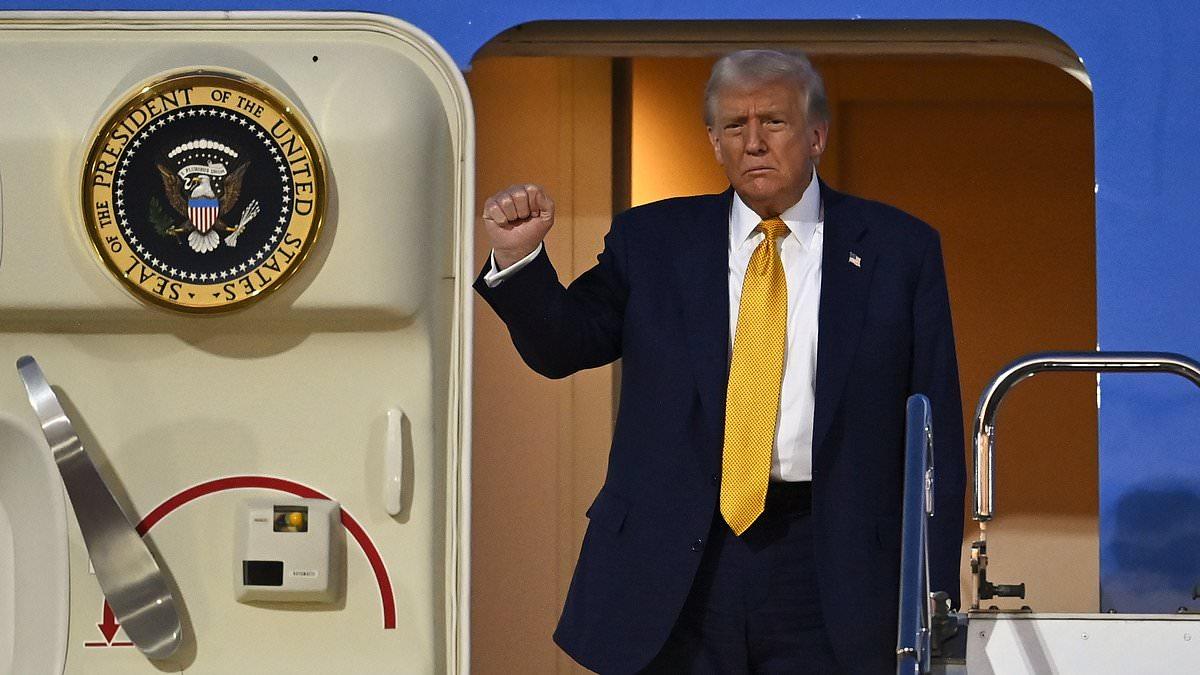
Multiple sources link the Tokyo announcements to a broader Asia tour involving efforts to finalize a U.S.–China trade framework, potential TikTok regulations, and security events in Japan. France 24 and Le Monde highlight Takaichi’s assertive stance, emphasizing her commitment to increase defense spending to 2% of GDP. Asian media focus on cooperation in shipbuilding and a visit by Trump to a carrier.
Western outlets report on an upcoming Trump–Xi meeting at the APEC summit in South Korea. Asian coverage specifies the meeting venue as Busan and mentions a preliminary tariff-truce framework. Reports also indicate that Trump helped mediate a ceasefire between Thailand and Cambodia at the ASEAN summit before arriving in Tokyo.

Media Coverage of Japan Visit
Coverage also diverges on symbolism and optics. Several outlets describe an orchestrated welcome and gestures to open Japan’s market to American products, most notably the floated purchase of Ford F‑150 trucks. Local U.S. stations question aspects of the $550 billion pledge and note that 15% tariffs remain on most imports.
“A symbolic proposal discussed is Japan potentially purchasing a fleet of American Ford F-150 trucks for infrastructure inspections, despite concerns about their practicality on Japan’s narrow streets.”
Other reports focus on the Nobel nomination or human‑rights engagements in Tokyo. One Asian outlet even misnames the Japanese leader, reflecting occasional confusion amid the fast‑moving tour.