Full story
USAID freeze and fallout
On January 20, 2025, Donald Trump suspended all programs of the federal agency in charge of humanitarian aid (USAID), initially as a 90-day freeze on subsidies, and asked Elon Musk and his 'Department of Government Efficiency,' the Doge, to assess whether USAID actions align with Washington's foreign policy.
“Some strokes of black marker and billions of dollars in aid to the most destitute people vanish into thin air”
BFM says the staff of the federal agency that had managed an annual budget of $42.8 billion, i.e. 42% of humanitarian aid spent worldwide, were put on leave or laid off, with about 800 programs canceled.
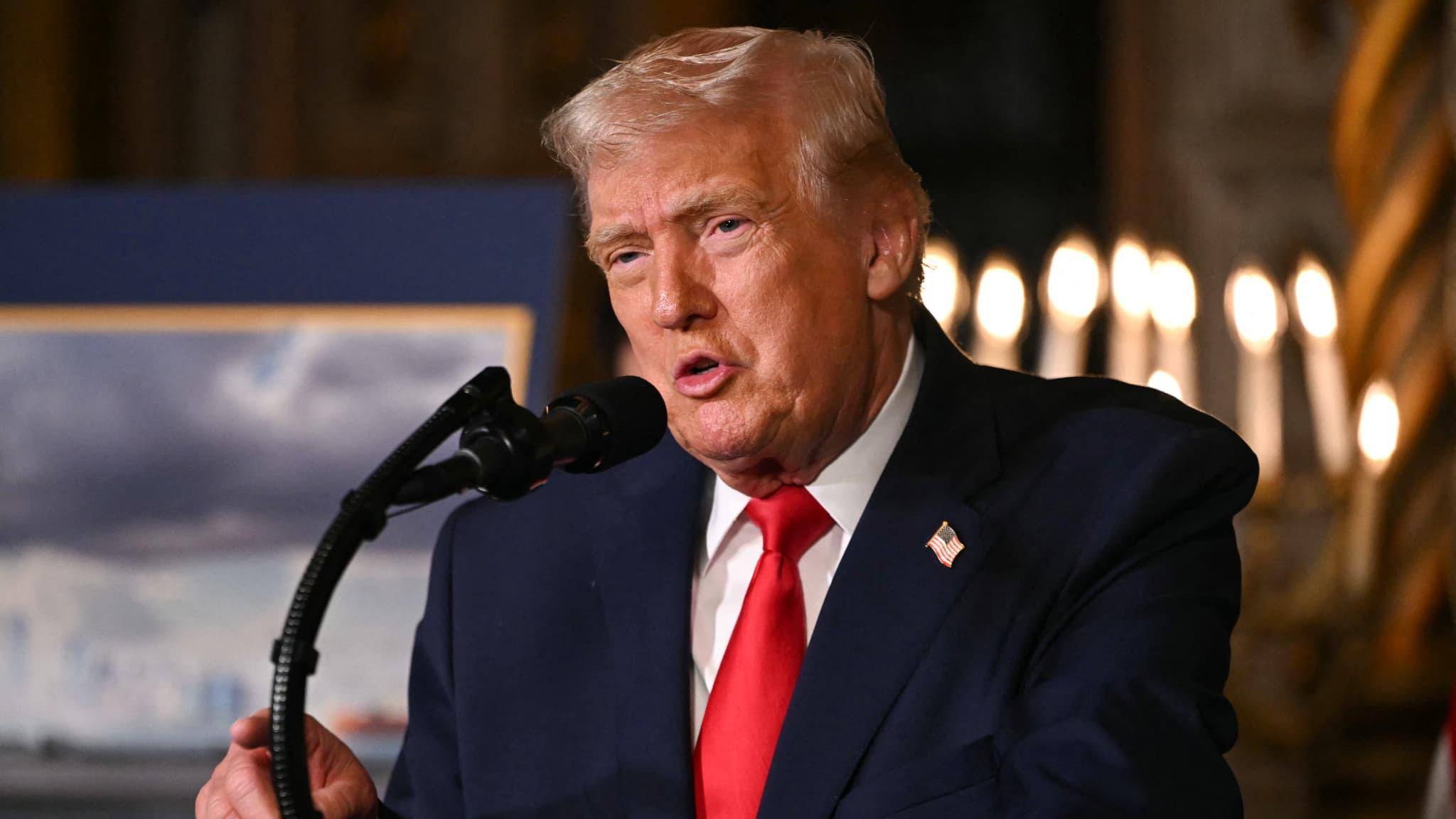
After six weeks of review, Secretary of State Marco Rubio announced on March 10 that 83% of USAID programs are eliminated, and BFM describes grave repercussions 11,000 km from the White House in Afghanistan.
In Afghanistan, Arthur Comon of Première urgence internationale (PUI) told BFM that as of April 5, 50% of one mission's activity had to be stopped, equivalent to 60 health centers that allowed 900,000 annual consultations, and that 480 staff members were laid off.
BFM adds that the American cuts also cut UNICEF's budget, and that UNICEF centralizes the purchase of 'therapeutic inputs,' foods designed to treat severe acute malnutrition.
Voices on accountability
NBC News frames the domestic side of the same year as Republicans celebrating Trump’s “big, beautiful bill” on July 4, 2025, while the law “unleashed the biggest-ever rollback of federal programs serving the poor.”
NBC News says that “at least 4 million people have lost food stamps so far,” and that “Hospitals have begun laying off workers and closing clinics.”
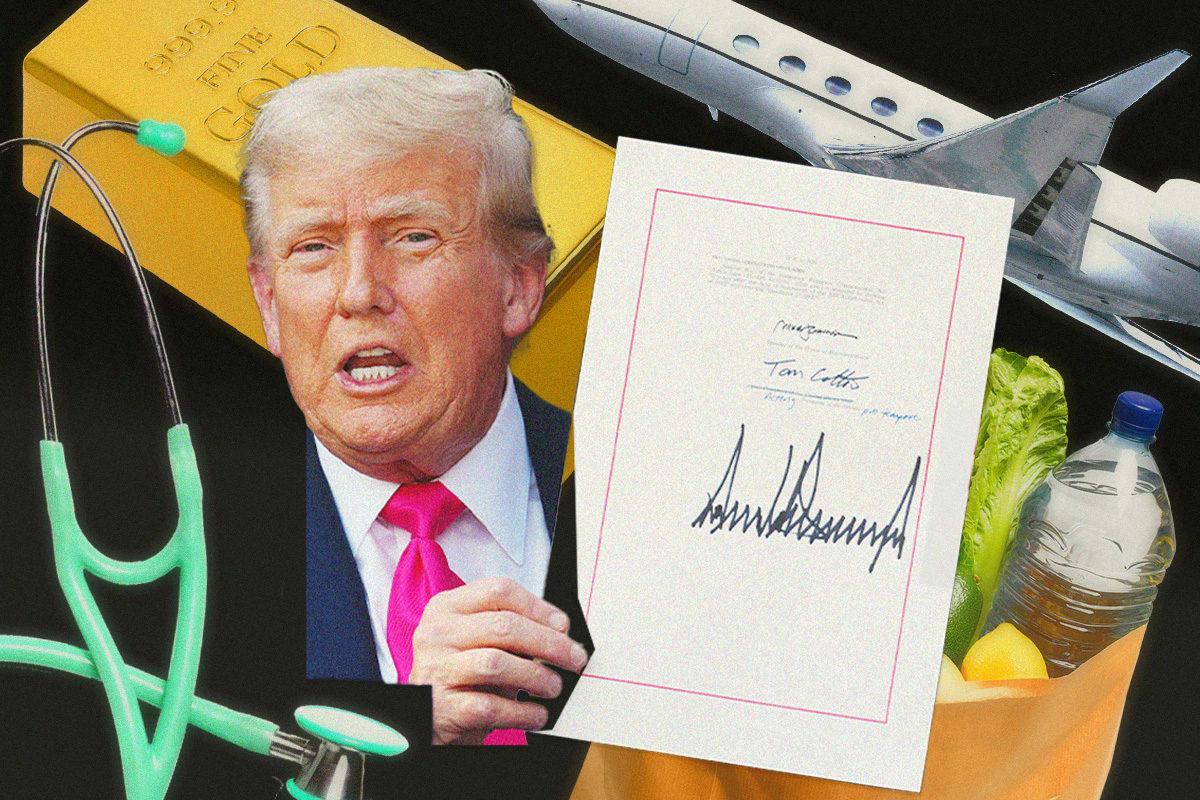
BFM reports that the State Department signed on December 29 in Geneva a memorandum with the UN Office for the Coordination of Humanitarian Affairs to dictate how it should operate going forward.
BFM quotes the U.S. Department of State press release praising ending the 'tangled web of United Nations humanitarian missions, which had long suffered from ideological drift, exasperating duplication, bureaucratic inefficiencies and poor coordination.'
BFM also quotes the UN Under-Secretary-General for Humanitarian Affairs, Tom Fletcher, saying, "At a time when the world is under immense pressure, the United States shows that they are a humanitarian superpower, offering hope to people who have lost everything."
What’s at risk next
BFM says PUI has not given up its missions but has been forced to scale back, explaining that it had to assess health care availability by geographic areas and make trade-offs about how far the first health center is from villages.
“Some strokes of black marker and billions of dollars in aid to the most destitute people vanish into thin air”
BFM adds that in 2022 Afghanistan's aid needs were estimated at €4.4 billion and the humanitarian community raised 74% (€3.2 billion), while in 2025 it was to raise €1.7 billion and received 41% (€990 million).
BFM warns that the rupture leads to dangerous prioritization, with Arthur Comon saying, "In Afghanistan, for example, half the country’s population needs humanitarian aid."
NBC News describes additional domestic consequences, saying the law could leave “10 million more people” without health insurance by 2034, “enough to fill New York City.”
NBC News also quotes Chris Howard, a professor of public policy at the College of William & Mary, calling the outcome “Robin Hood in reverse,” and saying it “deliberately targets some of the most vulnerable members of society.”


