
Trump Tells Aides to Prepare Extended Blockade of Iranian Ports as US-Iran Talks Stall
Key Takeaways
- Trump told aides to prepare for extended naval blockade of Iran.
- Iran offered to reopen the Strait of Hormuz if the blockade is lifted.
- Negotiations stall; oil prices rise as conflict drags on and Hormuz pressure persists.
Stalled talks, new pressure
Negotiations between the United States and Iran to end the war are at an impasse as the conflict enters its third month, with Democracy Now! describing the talks as reaching “its 61st day.”
“With the United States-Israeli war on Iran entering its 60th day, experts warn that there is no end in sight, as negotiations continue to be “stalled” amid soaring oil prices and inflation”
The Wall Street Journal reported late Tuesday that Trump has told aides to prepare for an extended blockade of Iranian ports to ramp up pressure on Tehran, a move that multiple outlets link to the Strait of Hormuz.

In a Truth Social post, Trump wrote, “Iran has just informed us that they are in a 'State of Collapse.' [unquote] They want us to 'Open the Hormuz Strait,' as soon as possible,” while also adding, “better get smart soon.”
Democracy Now! also quotes Trump’s skepticism about Iran’s proposal to reopen the Strait of Hormuz in exchange for tabling nuclear talks, and it says U.S. officials reported Trump expressed doubts Monday about whether Iran was acting in good faith.
The Korean outlet 조선일보 frames the same pressure campaign as Trump intensifying his stance, quoting his Truth Social line that “Iran is failing to come to its senses.”
In parallel, Al Jazeera reports that “Negotiations seem stalled … and any near-term resolution seems difficult,” tying the standoff to soaring oil prices and inflation.
Blockade as leverage
Several reports describe the U.S. blockade as the central lever in the pressure campaign, with the Strait of Hormuz repeatedly named as the focal point.
Democracy Now! says the Wall Street Journal reported Trump told aides to prepare for an extended blockade of Iranian ports to ramp up pressure on Tehran, while Iran’s position is that it will enter direct talks “when President Trump lifts what Iran considers to be the illegal military naval blockade in the Strait of Hormuz.”
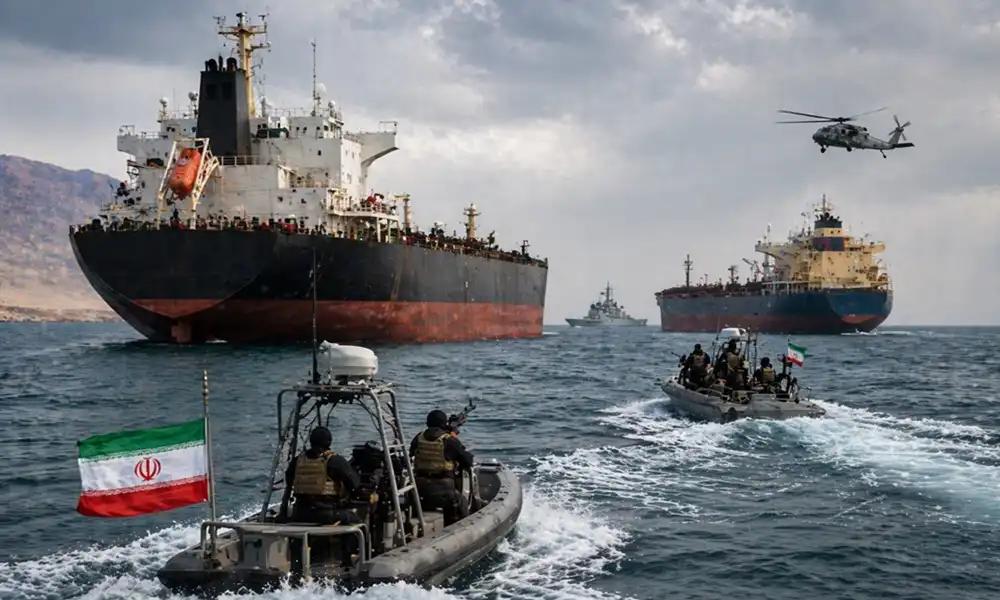
Democracy Now! quotes Drop Site News co-founder Jeremy Scahill explaining Iran’s stance that “it’s just shut it down for any vessels that are linked to the U.S. war in any way.”
The Business Standard similarly says Trump told aides to prepare for an extended blockade of Strait of Hormuz, citing the Wall Street Journal, and it describes the decision as continuing to “squeezing” Iran’s economy and oil export by preventing shipping to and from its ports.
Hindustan Times and India.Com both describe plans for additional coercive measures while the blockade remains in place, with Hindustan Times citing Axios that CENTCOM prepared a plan for a “short and powerful” wave of strikes, and India.Com saying the U.S. is reportedly planning “short and powerful” strikes on Tehran while maintaining the naval blockade.
Al Jazeera adds a broader economic frame, reporting that Tehran retaliated by closing off the Strait of Hormuz and that the U.S. has put in place its own blockade to cut off ships carrying Iranian oil.
Threats, counter-threats, and officials
The sources also show a parallel escalation of rhetoric from both sides, with named officials and quoted warnings.
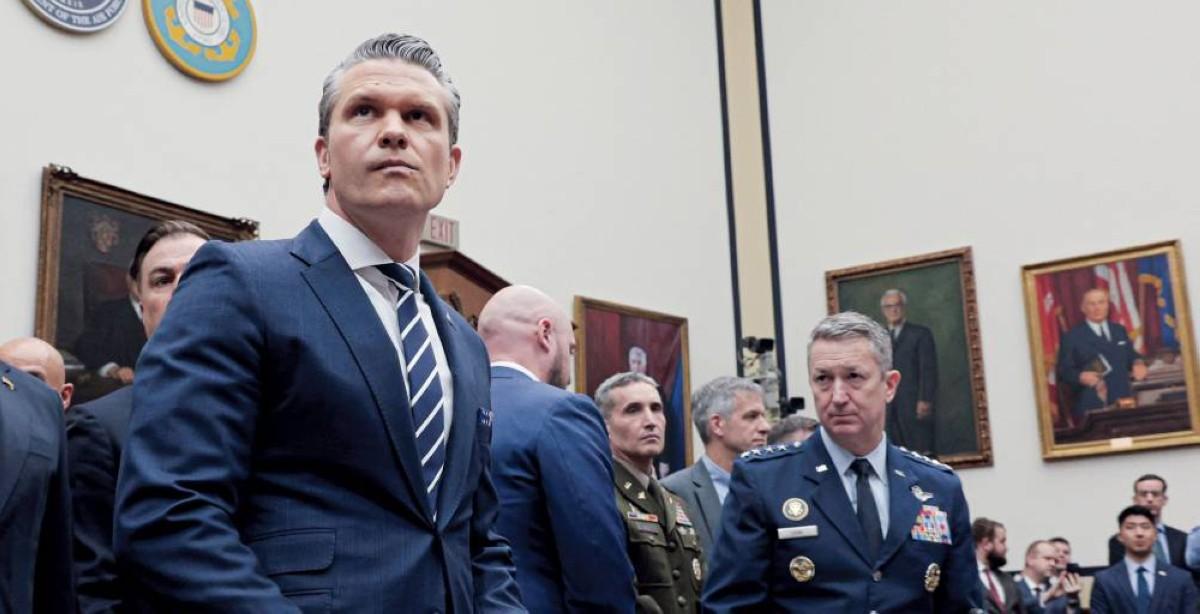
Democracy Now! includes a Pentagon news conference quote from U.S. Defense Secretary Pete Hegseth saying, “Iran knows that they still have an open window to choose wisely,” and it adds that “All they have to do is abandon a nuclear weapon in meaningful and verifiable ways, or instead they can watch their regime’s fragile economic state collapse under the unrelenting pressure of American power.”
Democracy Now! also quotes Brigadier General Mohammad Akraminia, a spokesperson for the Iranian army, saying, “Regarding the current situation, we have not considered the war to be over,” and that since fighting stopped, “we have continued in the same way as during the war, making serious efforts to update our list of targets.”
The Arabic-language outlet الجزيرة نت describes Trump’s Sunday remarks as threatening to destroy Iran’s infrastructure and power plants if it does not accept his terms, and it quotes Trump’s Truth Social line: “the United States will destroy every power plant and every bridge in Iran.”
It also reports Iran’s warning that it might not participate in negotiations and accuses the United States of violating the ceasefire and imposing an illegal blockade.
Al Jazeera adds a named expert voice, quoting Rachel Ziemba saying, “Negotiations seem stalled … and any near-term resolution seems difficult,” and linking that to global price impacts.
Competing frames across outlets
While the underlying facts of stalled talks and blockade pressure recur, the outlets frame the situation differently—especially around who is driving the process and what the next step is.
Democracy Now! centers a narrative of U.S. disarray, with Jeremy Scahill saying Trump’s administration is in “a state of total chaos, erratic meltdowns,” and he argues that “it’s the Trump administration that is in a state of total chaos” rather than Iran.
Scahill also says Iran has “briefed Pakistan, which is currently the mediating country,” and that Iran told Pakistan, “Here are our conditions for ending the war.”
In contrast, 조선일보 emphasizes Trump’s direct pressure and the stalled nuclear track, writing that the Strait of Hormuz remains blocked and negotiations are uncertain, and it says the U.S. and Iran have failed to reach a peace agreement for over two months.
Hindustan Times and The Business Standard both attribute the “short and powerful” strike planning to Axios and CENTCOM, but they emphasize different angles: Hindustan Times highlights Trump’s reported rejection of an Iranian proposal to open the Strait of Hormuz, while The Business Standard frames the blockade as a safer alternative to bombing or stopping the war.
Al Jazeera, meanwhile, foregrounds the economic and inflation consequences, reporting WTI crude at $100.09 at 12:30pm ET and Brent trading at $111.85, and it ties those numbers to U.S. petrol prices and broader inflation risks.
What comes next
The sources describe an immediate window for further diplomacy in Pakistan, but they also lay out conditions that could keep the standoff going.
Democracy Now! says negotiations are at an impasse as the conflict reaches “its 61st day,” and it reports that President Trump and his national security team are skeptical of Iran’s proposal to reopen the Strait of Hormuz in exchange for tabling nuclear talks.
The Arabic outlet الجزيرة نت says Trump told on Sunday that American officials would travel to Islamabad on Monday to continue negotiations with Iran, while also threatening to destroy Iran’s infrastructure and power plants if it does not accept his terms.
It also reports that the first round of negotiations in Islamabad at the end of last weekend ended without tangible progress, and it says the second round is mediated by Pakistan, with doubts about whether both delegations will attend.
On the enforcement side, BW Businessworld reports that U.S. Central Command said Marines boarded the commercial vessel M/V Blue Star III in the Arabian Sea on Tuesday over suspicions it was heading to Iran in violation of sanctions, but later released it after confirming its voyage would not include an Iranian port call.
Al Jazeera adds that the conflict’s economic effects are expected to linger beyond any truce, quoting Ben May of Oxford Economics saying the firm lowered its world GDP growth forecast by 0.4 percentage points since the start of March to 2.4 percent because it expects a more prolonged disruption to shipping activity through the Strait of Hormuz.
More on USA
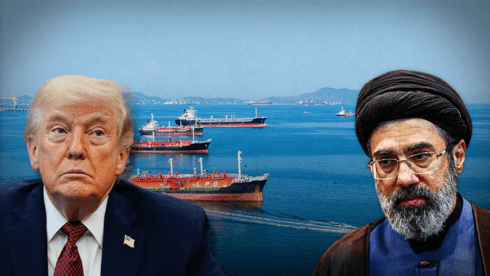
Donald Trump Vows To Keep Iran Naval Blockade Until Nuclear Deal Is Reached
18 sources compared

King Charles III Delivers Joint Address to Congress in Washington, Cites Bonds With United States
11 sources compared

U.S. Supreme Court Voids Louisiana’s Majority-Black District, Weakening Voting Rights Act
15 sources compared
Donald Trump Posts AI Image With Rifle, Threatens Iran With “No More Mr. Nice Guy”
13 sources compared