USA01 May, 20268 min read
Trump Tells Congress Iran Hostilities Have Terminated Ahead of May 1 War Powers Deadline
Trump asserts hostilities terminated, due to ceasefire and deadline expiration. He sent a letter to Congress declaring termination and noting no exchanges since April 7.
BBC was read line by line by the Watchdog: 4.4. See the score →
Trump’s “terminated” letter
President Donald Trump told congressional leaders in a letter on Friday that hostilities with Iran have “terminated,” framing the claim as a way to avoid a May 1 war powers deadline even as U.S. troops remain in the region.
“There has been no exchange of fire between United States Forces and Iran since April 7, 2026. The hostilities that began on February 28, 2026, have terminated.”
The Washington Post reported that Trump claimed in a letter to Congress that hostilities with Iran have “terminated” as he reached a legal deadline requiring military operations to halt unless lawmakers authorize force.

KOMO said the conflict reached the 60-day mark Friday and that the Trump administration argues it has effectively ended due to a fragile ceasefire that began in April, allowing the administration to sidestep the May 1 deadline.
In the letter, Trump wrote, “The hostilities that began on February 28, 2026, have terminated,” addressed to House Speaker Mike Johnson, R-La., and Senate President Pro Tempore Chuck Grassley, R-Iowa, according to KOMO.
The BBC similarly reported that Trump told Congress the ceasefire meant he did not need lawmakers’ authorisation for the Iran war, citing the War Powers Resolution’s requirement to “terminate any use of United States Armed Forces” within 60 days unless Congress allows a continuation.
The Guardian said the letter, dated 1 May, waves off the 1 May legal deadline and repeated Trump’s language that “There has been no exchange of fire between United States Forces and Iran since April 7, 2026. The hostilities that began on February 28, 2026, have terminated.”
In parallel, PBS (AP) reported that Trump’s message “effectively skirts a May 1 legal deadline” to gain approval from members of Congress to continue the war with Iran.
War Powers clock and ceasefire
Multiple outlets described the legal fight over whether a ceasefire can stop the War Powers Resolution clock after the president notifies Congress. The BBC said the law requires a president to “terminate any use of United States Armed Forces” within 60 days of notification unless Congress allows a continuation, and it noted that the ceasefire had not yet produced a longer-term deal through talks. KOMO reported that under the War Powers Resolution, presidents must end military operations within 60 days unless Congress approves an extension, and it said Democrats have pushed to enforce those limits while Republicans have largely backed Trump’s authority.
The Guardian emphasized that the letter suggests the 60-day deadline no longer applied, citing the War Powers Act of 1973 and the requirement that the president must receive congressional approval within 60 days to continue military operations. PBS (AP) said the letter “brings into stark relief the bold but legally questionable assertion of presidential power,” and it described the War Powers Resolution’s structure that Congress must declare war or authorize the use of force within 60 days, or within 90 days if the president asks for an extension. Al Jazeera reported that Defense Secretary Pete Hegseth argued the “60-day clock pauses, or stops” during a pause in fighting, while Democratic lawmakers and legal experts argued the statute contains no provision allowing for a pause once the deadline has started.

CNN Arabic said Trump’s administration appears to be making efforts to comply with Congress’s demands, and it quoted the letter’s position that “the hostilities that began on February 28, 2026 have ended.” In the same dispute, BBC quoted Georgetown University Law professor Prof Heather Brandon-Smith saying, “A ceasefire is not a permanent end to the conflict,” and that “To my mind, a permanent end to the conflict is what would actually sort of close up the 60 days.”
Reactions from Democrats and GOP
The outlets also laid out competing reactions from lawmakers and legal voices as Trump’s letter landed.
KOMO said Trump dismissed the idea of seeking congressional approval, telling reporters at the White House, “It’s never been sought before — there’s been many, many times and nobody’s ever gotten it before. They consider it totally unconstitutional.”
The BBC reported that in Congress, lawmakers faced questions about whether they intended to schedule a vote in each chamber, and it quoted Prof Heather Brandon-Smith of Georgetown University Law in Washington DC saying, “A ceasefire is not a permanent end to the conflict,” and that “To my mind, a permanent end to the conflict is what would actually sort of close up the 60 days.”
The Guardian quoted Senator Chuck Schumer on X saying, “That’s bullshit,” and it quoted Jeanne Shaheen saying Trump’s declaration “doesn’t reflect the reality that tens of thousands of US service members in the region are still in harm’s way.”
The Guardian also quoted Shaheen writing that “President Trump entered this war without a strategy and without legal authorization and today’s announcement doesn’t change either fact,” and it reported that the ACLU sent a letter expressing “profound concern” that Trump was “carrying out an illegal war.”
PBS (AP) reported that Senate Majority Leader John Thune said he did not plan on a vote to authorize force in Iran, and it quoted Sen. Susan Collins saying, “That deadline is not a suggestion; it is a requirement,” and that “The president's authority as commander in chief is not without limits.”
Axios reported that Sen. Todd Young said, “It sounds like there's some wiggle room he provided there for himself,” and it quoted the letter’s language that “The hostilities that began on February 28, 2026, have terminated.”
CNN Arabic added that Trump wrote the threat posed by the Iranian regime “remains large,” and that the Department of Defense would continue “updating the status of its forces” to address this threat “as necessary and appropriate.”
How outlets framed the same dispute
While the core facts of Trump’s letter and the ceasefire were consistent, outlets diverged in emphasis and framing, particularly around whether the administration’s interpretation was legally defensible and what the ceasefire meant in practice. The Washington Post focused on the claim itself and the skepticism it drew, describing “widespread skepticism and criticism” of Trump’s assertion that the conflict with Iran is “terminated.” KOMO foregrounded the procedural mechanics, saying the administration argues the ceasefire began in April and that this position allows it to sidestep the May 1 deadline to seek authorization for ongoing military action.
The Guardian framed the letter as a contested interpretation of the War Powers Act, describing how it is “fiercely contested by legal scholars and Democrats,” and it highlighted the ACLU’s “profound concern” and the argument that there is “no pause button – and certainly no reset button.” PBS (AP) described the assertion as “bold but legally questionable,” and it tied the letter to Congress’s failure to enforce the 60-day requirement, noting that the Senate rejected a Democratic attempt to halt the war for a sixth time. Al Jazeera framed the dispute around the definition of “hostilities,” describing how the disagreement reflects “a deeper clash over how ‘hostilities’ are defined,” and it reported that the Strait of Hormuz remains effectively blocked while Washington maintains a naval blockade.

Axios framed the move as a “volley” aimed at discouraging lawmakers from restricting military action, and it said declaring hostilities over “effectively resetting the clock” could make it more difficult for Congress to challenge authority. CNN Arabic framed the administration’s posture as efforts to comply with Congress’s demands, saying the letter aligns with earlier CNN reports and that Trump invoked the War Powers decision as “completely unconstitutional.” Across these accounts, the same letter language—“There has been no exchange of fire between United States Forces and Iran since April 7, 2026”—was used, but each outlet paired it with different legal and political implications.
Negotiations, blockade, and next steps
Beyond the legal dispute, the articles described ongoing negotiation efforts and continued military and economic pressure tied to the Strait of Hormuz.
The BBC said Iranian media reported a new proposal from Tehran sent via Pakistan on Friday, with IRNA reporting that a proposal for negotiations with the US was sent to Pakistan intermediaries, while the details were not published and it was unclear if the proposal had reached the US.
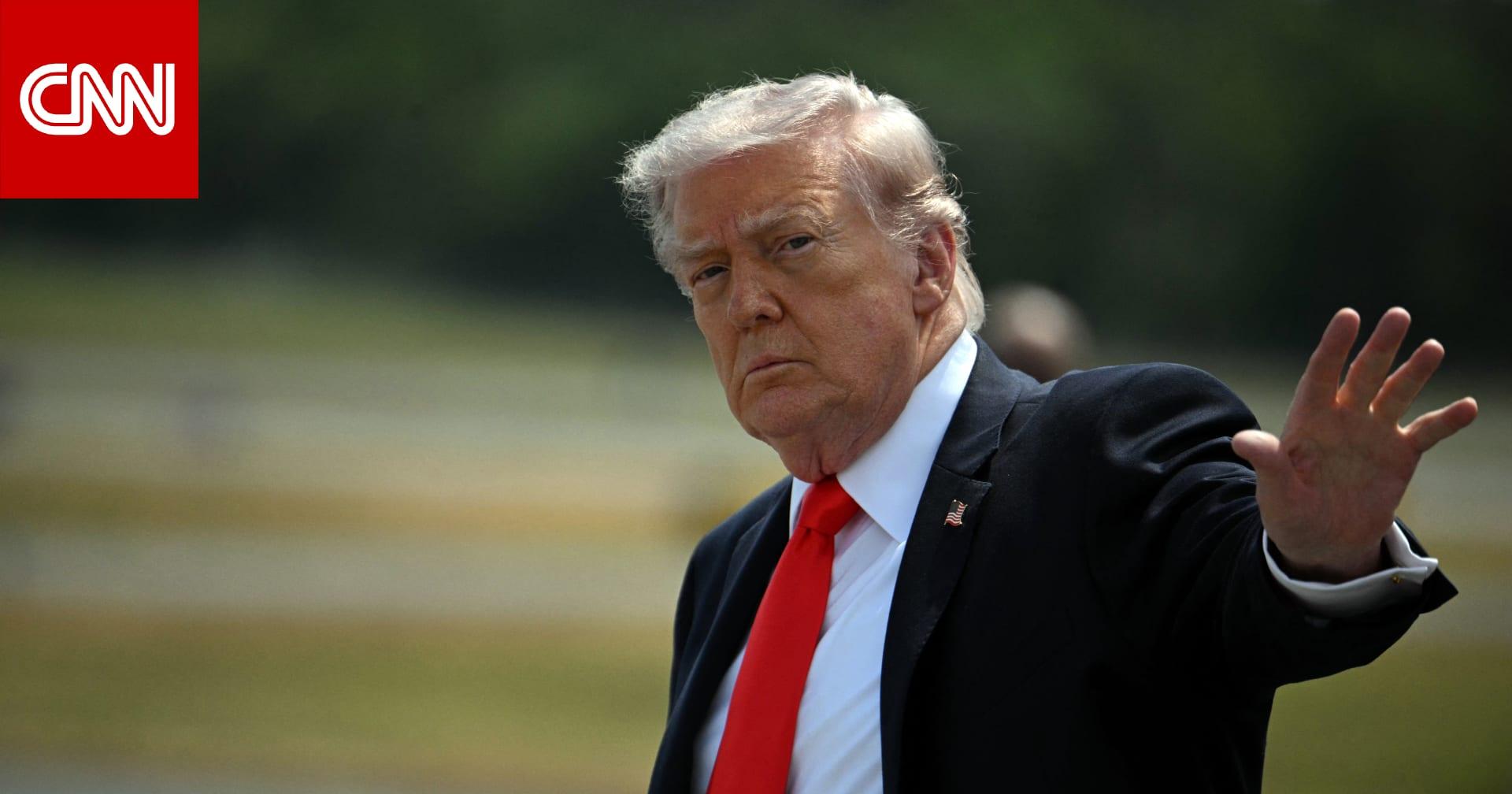
The Times of Israel reported that Trump said he was dissatisfied with a new ceasefire offer from Tehran, quoting him: “They want to make a deal, but I’m not satisfied with it,” and it said Trump confirmed he had been briefed on ways to “blast the hell out of them” if no deal were reached.
The Times of Israel also described how talks had faltered over Iran’s nuclear program and control of the Strait of Hormuz, which it said is under competing Iranian and US naval blockades, and it reported that the closure of the Strait of Hormuz caused unprecedented disruption to energy markets, choking off 20% of the world’s oil and gas supplies and causing a record rally in oil prices.
The BBC said the key shipping channel is still effectively closed, causing economic impacts around the world, and it reported that the U.S. Treasury issued a notice warning that any individual or company that pays Iran a “toll” for passage through the Strait of Hormuz was at risk of violating US sanctions.
The Guardian reported that Jeanne Shaheen said the strait of Hormuz remains closed and prices are skyrocketing at home, and it quoted her as saying Trump’s declaration “doesn’t reflect the reality” of tens of thousands of U.S. service members in harm’s way.
Politico said the letter came amid stalled talks and a continued military blockade of Iranian ports, and it quoted Trump telling reporters he had given Iran “a final proposal” while expressing pessimism about being able to reach an agreement with the country’s “disjointed” government.
PBS (AP) reported that Pentagon officials left Congress with a picture of continued readiness, and it described how some GOP senators said they eventually want Congress to have a say, including Sen. Todd Young’s statement that if the conflict resumes, he expects the White House to work with Congress to pass an authorization for use of military force.
Across the accounts, the next step remained contested: whether Congress will be forced into a vote under the War Powers Resolution or whether the administration’s “terminated” framing will keep the clock from running.