Trump Tells Congress Iran Hostilities Have Terminated As War Powers Deadline Ends
Key Takeaways
- Trump says hostilities with Iran have terminated in a letter to Congress.
- White House argues ongoing ceasefire ended fighting, making the War Powers deadline moot.
- No exchange of fire since April 7, 2026.
Ceasefire and a 60-Day Deadline
President Donald Trump told congressional leaders that “hostilities” with Iran have “terminated,” writing that “There has been no exchange of fire between United States Forces and Iran since April 7, 2026” and that “The hostilities that began on February 28, 2026 have terminated.”
The letters were sent as a legal deadline under the 1973 War Powers Resolution approached and then arrived, with the 60-day clock triggered by the administration’s notification to Congress on March 2.

CBS News reported that Trump’s letters to House Speaker Mike Johnson and GOP Sen. Chuck Grassley marked the moment the 60-day deadline reached its end on Friday, and it described the constitutional dispute as a “political and constitutional storm.”
The same CBS account said the conflict began on Feb. 28, when U.S. forces, alongside Israel, launched large-scale strikes on Iranian targets, and it said Iran retaliated as global energy markets were disrupted.
The same CBS account said Defense Secretary Pete Hegseth told the Senate Armed Services Committee that a ceasefire means the clock “pauses or stops.”
Trump’s letters and public remarks were also framed against the administration’s view that the ceasefire brokered in early April effectively terminated active hostilities, even as the U.S. continued a naval blockade on Iranian ports.
In parallel, multiple outlets described the administration’s insistence that the threat remains significant, with Trump writing that “the threat posed by Iran to the United States and our Armed Forces remains significant.”
How the War Powers Fight Escalated
The legal dispute over the Iran campaign sharpened around the War Powers Resolution’s 60-day threshold and the administration’s claim that the ceasefire reset or stopped the clock.
CBS News explained that under the War Powers Resolution, the president may initiate military action without prior authorization but must notify Congress within 48 hours and terminate hostilities within 60 days unless lawmakers approve an extension, and it said the 60-day clock was triggered by the president’s notification to lawmakers on March 2.

France 24 described the Friday deadline as forcing Trump to choose between ending the war on Iran or going to Congress to seek an extension, while also noting that there were “no indications of a halt to the fighting” as eyes turned toward the looming decision.
France 24 further stated that the War Powers Act requires the president to end any hostilities after 60 days unless authorized to continue, with a one-time 30-day extension available in cases of “unavoidable military necessity relating to the safety of the United States armed forces.”
Politico reported that the White House laid out its rationale in a letter obtained by POLITICO, arguing that “a ceasefire with Tehran” effectively stops the clock, and it said the missive sought to head off a battle on Capitol Hill as the war entered its second month.
The Hill similarly described a senior Trump administration official’s position that the military operation was already “terminated” following the ceasefire deal reached between the U.S. and Iran, and it said Friday marked 60 days since the administration formally notified Congress on March 2.
Al Jazeera’s reporting emphasized that Hegseth argued the “60-day clock pauses, or stops” during a pause in fighting, while Democrats and legal experts disputed that reading and argued the statute contains no provision allowing for a pause once the deadline has started.
Across the outlets, the timeline also included the administration’s continued posture: CBS News said the administration enforced a naval blockade on Iranian ports even after the ceasefire, and it said the U.S. threatened to imminently restart strikes.
In the same set, PBS described the White House assertion to Congress that hostilities had “terminated” despite the continued presence of U.S. armed forces in the region, framing the letter as skirting the May 1 legal deadline.
Voices Clash in Congress
The administration’s position that the ceasefire ended the legal “hostilities” collided with Democrats’ and some Republicans’ constitutional objections in hearings, floor votes, and public statements.
Defense Secretary Pete Hegseth told the Senate Armed Services Committee, “We are in a ceasefire right now, which our understanding means the 60-day clock pauses or stops in a ceasefire,” and he repeated the logic in other reporting as well.
Democratic Sen. Tim Kaine of Virginia rejected that interpretation, saying, “I do not believe the statute would support that,” and he cast the deadline as a “really important legal question for the administration.”
PBS quoted Sen. John Thune saying, “I'm listening carefully to what the members of our conference are saying, and at this point I don't see that,” describing the reluctance of some Republicans to weigh in.
The Hill reported that House Speaker Mike Johnson told NBC News that the U.S. is “not at war” with Iran, adding, “I don’t think we have an active, kinetic military bombing, firing or anything like that. Right now, we are trying to broker a peace,” while Democrats argued that the blockade showed continuing hostility.
In the Senate, Politico reported that Sen. Susan Collins of Maine became the first Republican senator to switch votes since the war began, and it quoted her statement: “That deadline is not a suggestion; it is a requirement.”
The Hill also described Collins emphasizing that Trump’s military powers are “not without limits,” and it quoted her: “The Constitution gives Congress an essential role in decisions of war and peace, and the War Powers Act establishes a clear 60-day deadline for Congress to either authorize or end U.S. involvement in foreign hostilities.”
Meanwhile, CNBC included Senate Minority Leader Chuck Schumer’s sharp dismissal, quoting him on X that the president’s claim was “bulls---,” and it said Schumer called it “This is an illegal war.”
Al Jazeera added that legal experts and Democrats argued there is “no pause button in the War Power Resolution,” quoting Harold Hongju Koh of Yale Law School, and it tied that dispute to the question of how “hostilities” are defined.
What Happens Next and What’s at Stake
Even as Trump declared the legal “hostilities” terminated, multiple outlets described continuing military posture and looming options that could restart the legal clock or require congressional action.
CBS News said the administration has enforced a naval blockade on Iranian ports, which it described as an act of war, and it said the U.S. has threatened to imminently restart strikes, with Defense Secretary Pete Hegseth telling lawmakers, “We are locked and loaded on your critical dual-use infrastructure, on your remaining power generation and on your energy industry.”

Politico reported that Pentagon officials have said American military forces remain on standby to resume attacks on Iran if peace talks break down, and it noted that the White House can seek to extend military operations for another 30 days for winding down the conflict.
France 24 described analysts and members of Congress expecting the deadline to be extended or ignored, and it said Trump would either notify Congress of a 30-day extension or ignore the deadline altogether, with the current ceasefire seen as the end of the conflict.
Al Jazeera added that some officials suggested starting a new operation under a new name to get around the deadline, and it quoted Richard Goldberg saying a new mission could be called “Epic Passage,” describing it as “a mission of self-defence focused on reopening the strait while reserving the right to offensive action in support of restoring freedom of navigation.”
The Hill reported that the president could request a 30-day extension due to “unavoidable military necessity regarding the safety of United States Armed Forces” while withdrawing forces, and it described another GOP and Democratic attempt to force withdrawal that was defeated by three votes including one from Democratic Sen. John Fetterman.
PBS described the political stakes for Republicans as public frustration mounting over the conflict and its impact on gas prices, and it noted that Congress made no attempt at enforcing the requirement while leaving town Thursday after the Senate rejected a Democratic attempt to halt the war for a sixth time.
In the same PBS account, Sen. Todd Young said lawmakers “must ensure that the people, through their elected representatives, weigh in on whether to send our military into combat,” and it quoted his view that if the conflict resumes, he expects the White House to work with Congress to pass an authorization for use of military force.
The Jerusalem Post described a senior U.S. official’s position that the ceasefire “terminated” hostilities “for the purposes of an approaching congressional war powers deadline,” while also noting that the 1973 law allows a 30-day extension on “unavoidable military necessity” for the safety of the armed forces.
More on Iran

Trump Announces Project Freedom To Guide Stranded Ships Out Of Strait Of Hormuz Monday
19 sources compared
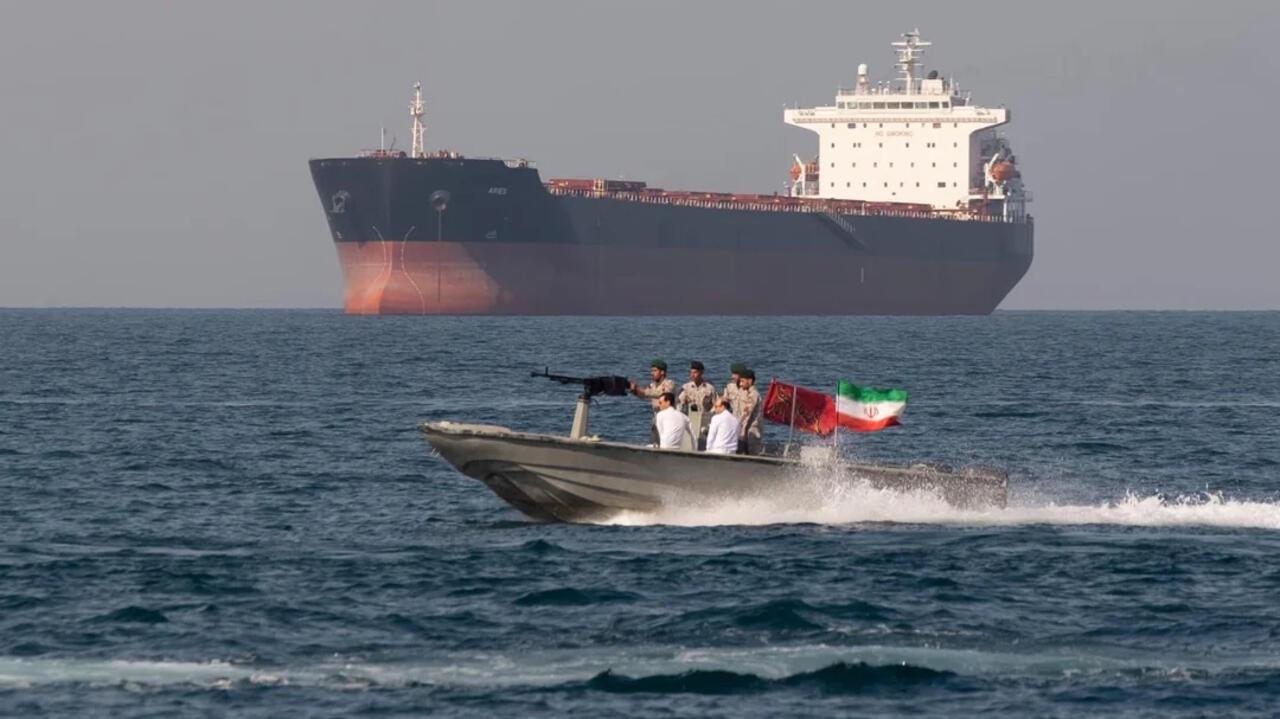
Iran Claims It Struck U.S. Navy Vessel Near Strait of Hormuz, CENTCOM Denies
19 sources compared

Iran Destroys 74 Missiles And 117 Drones In Bahrain, Bahrain Defence Forces Say
10 sources compared

Iranian Media Claims Two Missiles Hit US Frigate Near Strait of Hormuz, Washington Denies
29 sources compared