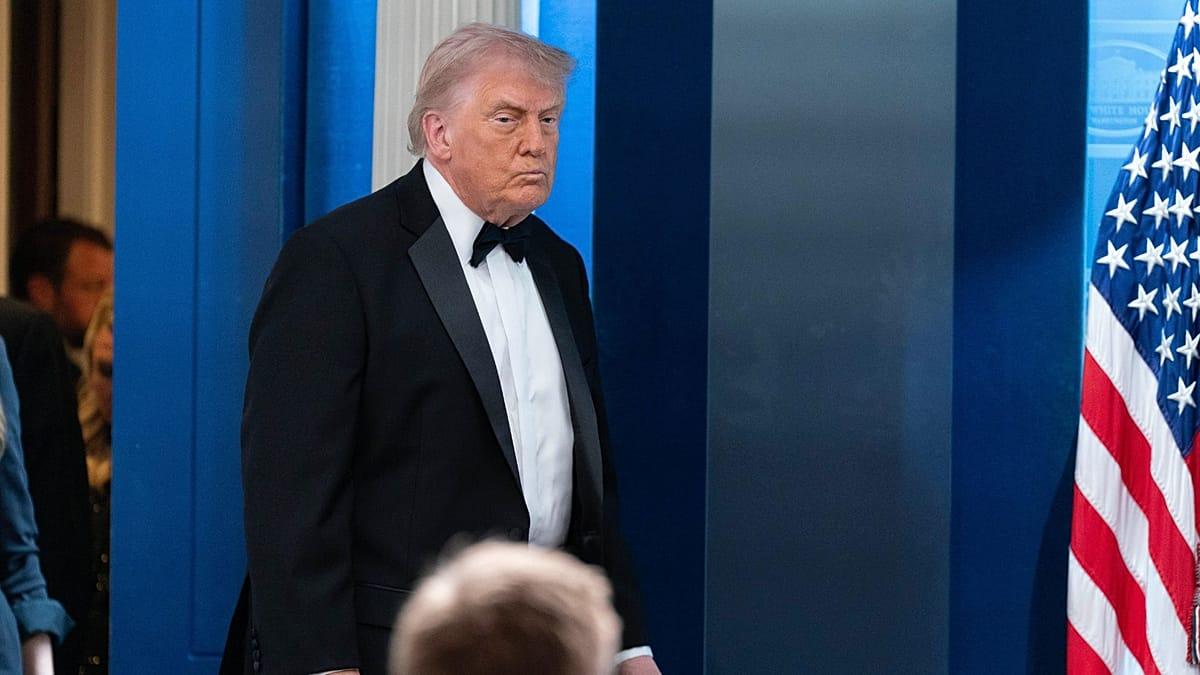
Trump Tells Congress U.S. Hostilities With Iran Have Terminated During Ceasefire
Key Takeaways
- Trump says U.S. hostilities with Iran have terminated during the ceasefire.
- He claims the War Powers deadline to seek congressional approval does not apply.
- He states he is not satisfied with Iran's latest proposal to end the war.
Ceasefire, but not peace
President Donald Trump told Congress that U.S. hostilities with Iran “have terminated” during an ongoing ceasefire, arguing he does not need to meet a deadline for legislative approval of the Iran war.
In letters to congressional leaders, Trump wrote: “There has been no exchange of fire between United States Forces and Iran since April 7, 2026” and “The hostilities that began on February 28, 2026 have terminated.”
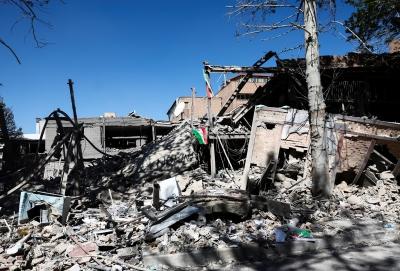
The BBC and CNBC both tied Trump’s position to the War Powers Resolution of 1973, describing a 60-day requirement for presidents to seek authorization from Congress after notifying lawmakers of military action.
CNBC said Friday marked “60 days since the war began, in late February,” while the BBC said the relevant US law requires action “within sixty calendar days” of notifying lawmakers.
Trump’s letters were addressed to House Speaker Mike Johnson, R-La., and Senate president pro tempore Chuck Grassley, R-Iowa, according to the BBC and CNBC.
Even as Trump declared the hostilities ended, the BBC reported that “the key shipping channel is still effectively closed,” and that the US Treasury issued a notice warning that paying Iran a “toll” for passage through the Strait of Hormuz could violate US sanctions.
The BBC also said the US and Iran have not yet reached a longer-term peace deal via talks, even as Iranian media reported a new proposal sent via Pakistan.
Trump rejects Iran’s offer
While Trump told Congress the hostilities had terminated, he simultaneously rejected Iran’s latest proposal to end the war.
Axios reported that Iran delivered its response to the latest U.S. amendments to a draft plan to end the war, but Trump told reporters he was “not satisfied with what they are offering.”

On Friday, Axios said Trump told reporters: “We have just had a conversation with Iran. We will see what happens. But I am not happy.”
The BBC similarly quoted Trump saying: “We just had a conversation with Iran. Let's see what happens. But, I would say that I am not happy.”
NBC News described the Iranian proposal as one that “would open shipping in the Strait of Hormuz and end the U.S. blockade of Iran while leaving talks on Iran’s nuclear programme for later,” and said Trump was “not satisfied” with it.
NBC News added that Trump told reporters at the White House: “They’re asking for things that I can’t agree to.”
CNN reported that Trump said the United States could be “better off” if officials don’t reach a deal with Iran, and quoted him: “Frankly, maybe we’re better off not making a deal at all.”
War powers fight in Congress
The dispute over whether Trump must seek congressional authorization for continued military action became a central political flashpoint as the War Powers Resolution deadline approached.
The BBC said the law requires a president to receive Congress’ approval within 60 days of notifying lawmakers of military action, or else cease hostilities, and it described Trump’s argument that the ceasefire “had paused the clock.”
CNBC said Trump’s letters were “a volley aimed at discouraging lawmakers in Congress from restricting military action against Iran,” and it quoted Senate Minority Leader Chuck Schumer, D-N.Y., calling Trump’s claim “bulls---.”
The BBC reported that Defence Secretary Pete Hegseth argued before a congressional hearing on Thursday that the clock had paused, while Democratic Senator Tim Kaine responded: “I do not believe the statute would support that.”
The Guardian framed the backlash more sharply, quoting Schumer’s post as “That’s bullshit,” and quoting Jeanne Shaheen saying Trump’s declaration “doesn’t reflect the reality that tens of thousands of U.S. service members in the region are still in harm’s way.”
The BBC also said lawmakers faced “mounting questions” about whether they intend to schedule a vote in each chamber to decide whether the war should receive formal authorisation.
Trump told reporters, according to the BBC: “no other country has ever done it,” and said “Most people consider it totally unconstitutional.”
Military options and escalation talk
Even as Trump argued that hostilities had terminated, multiple reports described ongoing military planning and the possibility of renewed strikes.
Axios said Trump huddled with his top national security team on Iran for about 45 minutes in the White House Situation Room on Thursday, and it listed attendees including Vice President JD Vance, Secretary of State Marco Rubio, Secretary of Defense Pete Hegseth, CIA Director John Ratcliffe and White House envoy Steve Witkoff.
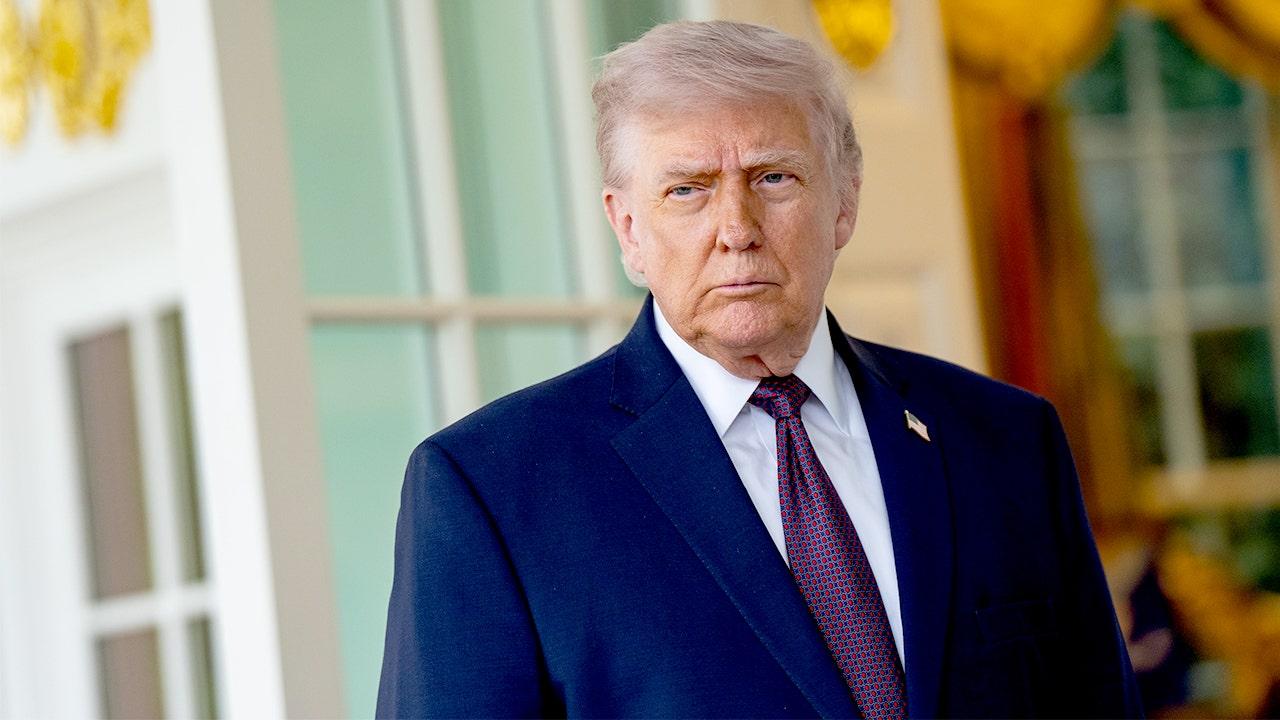
Axios also said CENTCOM commander Adm. Brad Cooper and Joint Chiefs Chairman Gen. Dan Caine briefed Trump and his team on “new plans for possible military action against Iran.”
After the briefing, Axios reported Trump said: “There are options. Do we want to go and just blast the hell out of them and finish them forever or do we want to try and make a deal.”
CBS News similarly described Trump’s framing of options and said a senior Iranian commander warned that any new U.S. attacks would draw “sustained, wide-ranging, and painful retaliation.”
CBS News also reported that the U.S. sold a new tranche of about $9 billion in weapons to Israel and several Middle East allies, including 10,000 Advanced Precision Kill Weapon Systems to Israel at a total cost of $992.4 million.
CNN added that Trump considered it “treasonous” to say the US isn’t winning the war, and it quoted him saying: “Frankly, maybe we’re better off not making a deal at all.”
Strait of Hormuz and sanctions pressure
The Strait of Hormuz and the blockade/sanctions regime remained the operational center of gravity in the reporting, even as the ceasefire and negotiations continued.
NBC News said the Iranian proposal would “open shipping in the Strait of Hormuz and end the U.S. blockade of Iran while leaving talks on Iran’s nuclear programme for later,” and it described the war as having caused “the biggest disruption ever to global energy supplies.”
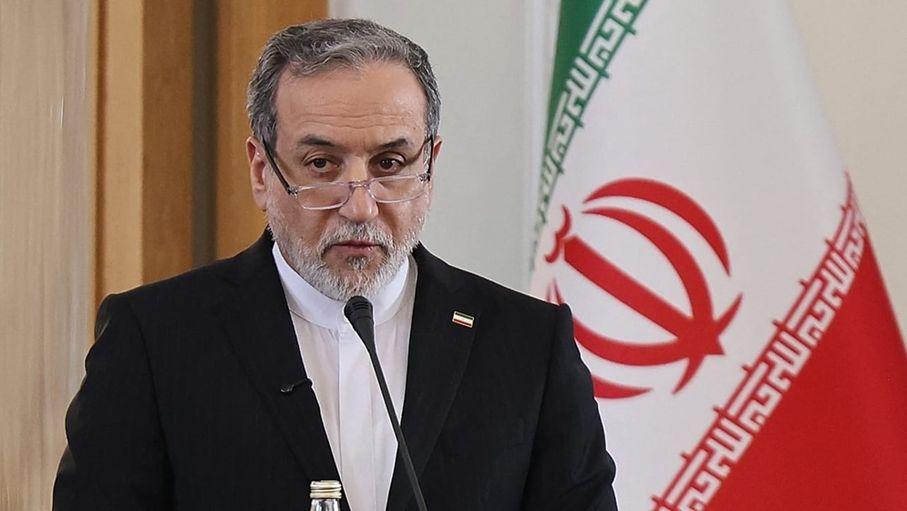
The BBC reported that “the key shipping channel is still effectively closed,” and it said the US Treasury issued a notice warning that any individual or company that pays Iran a “toll” for passage through the Strait of Hormuz was at risk of violating US sanctions.
DW said the UK’s Starmer was working with French President Emmanuel Macron to open the Strait of Hormuz, calling it “the vital waterway used for energy exports out of the Persian Gulf that has been blockaded amid the Iran war.”
In the same DW report, Starmer said: “But even when that happens, I don't want anybody to think that once the Strait of Hormuz is open, it all returns to normal. It won't be like that,” and he added: “But the status quo wasn't working. And therefore, we cannot do that again.”
Axios said Trump maintains a U.S. naval blockade and considers new military action against Iran, and it described the Iranian response as signaling diplomacy wasn’t entirely frozen.
The Guardian’s account of congressional backlash also emphasized that the Strait of Hormuz remains closed and prices are rising at home, quoting Shaheen’s claim that Trump’s declaration “doesn’t reflect the reality that tens of thousands of U.S. service members in the region are still in harm’s way” and that “the Strait of Hormuz remains closed.”
More on USA
Trump Pulls Casey Means Nomination, Names Nicole Saphier Surgeon General Replacement
19 sources compared
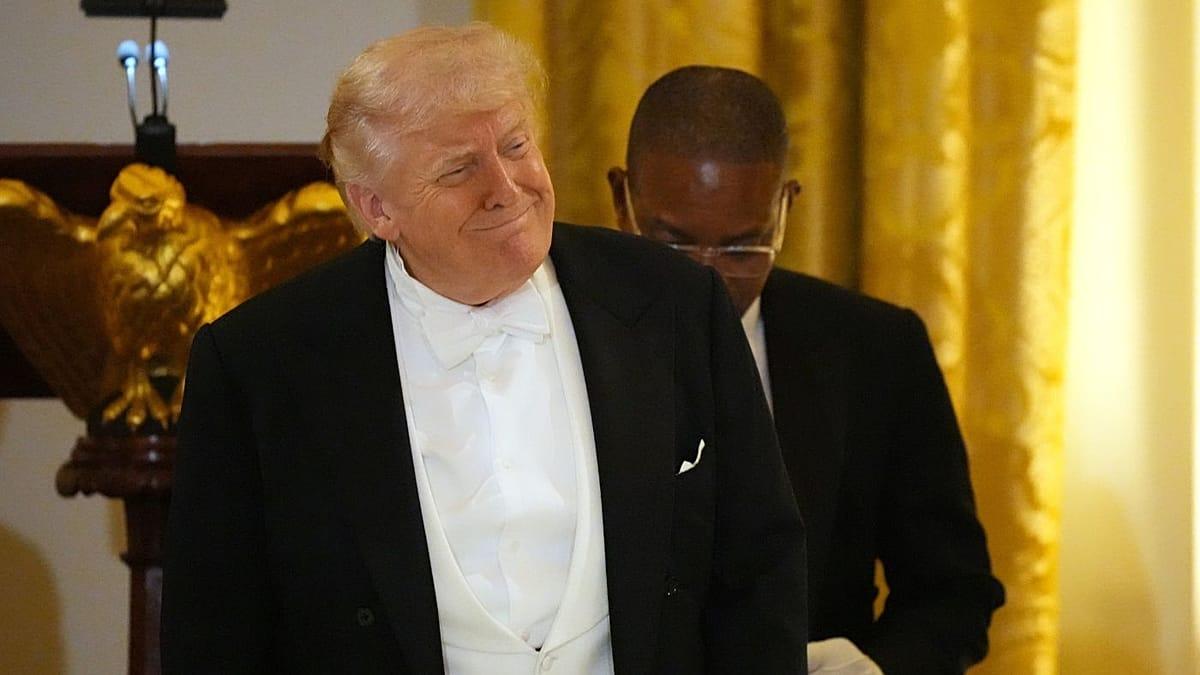
Trump Says Iran Hostilities Have Terminated as Germany Anticipates 5,000 Troop Withdrawal
21 sources compared

Spirit Airlines Begins Orderly Wind-Down After White House Rescue Deal Fails
32 sources compared
U.S. Rebuilds Logistics Supply Chain After Ceasefire, Boosts CENTCOM Airlift From Ramstein
12 sources compared