
Trump Tells Iran To Call U.S. As Abbas Araghchi Meets Vladimir Putin In Russia
Key Takeaways
- Trump says Iran can call the United States to negotiate.
- Araghchi arrives in St. Petersburg to meet Putin amid stalled U.S.-Iran talks.
- Pakistani mediation is failing as talks stall.
Trump’s “call us” message
U.S. President Donald Trump told Iran to “call us” as Washington and Tehran remained at an impasse over peace talks, with Trump scrapping a planned envoys’ trip to Islamabad and urging direct contact instead.
In reporting carried by multiple outlets, Trump’s message was explicit: “if they want to talk, they can come to us, or they can call us,” and he added “You know, there is a telephone. We have nice secure lines.”

Reuters reported that Trump said Iran could telephone if it wants to negotiate an end to their two-month war, as Iranian Foreign Minister Abbas Araghchi landed in Russia to seek support from President Vladimir Putin.
The same Reuters reporting described how hopes for reviving negotiations receded after Trump canceled the visit by envoys Steve Witkoff and Jared Kushner to Pakistan, after an earlier round of talks in Islamabad failed to reach a deal.
In the Reuters account, Araghchi blamed Washington for the failure of the previous round, saying “The US approaches caused the previous round of negotiations, despite progress, to fail to reach its goals because of the excessive demands.”
The diplomatic standoff is tied to the Strait of Hormuz, where the sources say energy prices surged again Monday and where Iran’s leverage and the U.S. blockade have kept shipping constrained.
Across the coverage, the U.S. position is presented as requiring Iran to accept limits on its nuclear program, with Trump saying “They cannot have a nuclear weapon; otherwise, there’s no reason to meet.”
Putin meets Araghchi
While Trump pressed for phone contact, Iranian Foreign Minister Abbas Araghchi traveled to Russia and met President Vladimir Putin in St. Petersburg as part of a broader diplomatic tour that included Pakistan and Oman.
Reuters described Araghchi’s trip as the “fourth leg of a whirlwind diplomatic tour,” noting he had “sandwiched a trip to Oman in between two visits to main mediator Pakistan.”
In the Reuters account, Putin told Araghchi that Russia would “do everything that serves your interests, the interests of all the people of the region, so that peace can be achieved as soon as possible.”
Another outlet quoting Russian state media similarly reported Putin’s message of support, including that he saw “how courageously and heroically the people of Iran are fighting for their independence” and that Russia would “do everything that serves your interests and the interests of all the peoples of the region.”
The sources also tie the meeting to a message Putin said he received from Iran’s new supreme leader, Mojtaba Khamenei, who was appointed after his father, Ayatollah Ali Khamenei, was killed in an airstrike and was wounded in a bombing himself.
In the Reuters reporting, Putin voiced “commitment” to the two countries’ “strategic relationship,” and in the Al-Monitor and other coverage he wished Khamenei “the very best, good health and well-being.”
Araghchi, for his part, told Russian state media that “Iran is resisting the biggest superpower in the world,” and he said the U.S. “hasn’t ‘achieved a single goal. That’s why’ Trump is ‘asking for negotiations, and we’re considering it.’”
Proposal on Hormuz and nuclear delay
The diplomatic push is centered on a proposal described across outlets as focusing on reopening the Strait of Hormuz and ending the war while postponing nuclear negotiations to a later stage.
Reuters reported that Axios, citing a U.S. official and two other sources, said Iran sent a new proposal to end the war centered on reopening the Strait of Hormuz and ending a U.S. naval blockade there, with nuclear negotiations postponed for a later stage.
NBC News likewise said Iran presented a proposal to the United States that would focus on opening the Strait of Hormuz and ending the war but would table thorny discussions around Iran’s nuclear program until a later date, a Gulf source and a regional source told NBC News.
In the NBC News account, White House Press Secretary Karoline Leavitt said the proposal was discussed in a meeting between President Donald Trump and his national security team, and she said, “I wouldn’t say they’re considering it. I would just say that there was a discussion this morning that I don’t want to get ahead of.”
NewsNation’s coverage similarly described the proposal as offering to open the Strait of Hormuz but not end Iran’s nuclear program, and it said the proposal would include the U.S. ending its blockade of Iranian ports in exchange for opening the throughway.
The sources also show how the U.S. frames its red lines, with Leavitt reiterating that “the president’s red lines with respect to Iran have been made very, very clear,” and with Trump’s position summarized in multiple reports as requiring Iran to not have a nuclear weapon.
The NPR report adds that the Trump administration discussed the latest Iranian proposal to end both Iran’s closure of the strait and the U.S. naval blockade on Iranian ports, and it notes that the proposal’s details were not confirmed by NPR.
European and U.S. reactions
Reactions in the U.S. and Europe show the proposal and the blockade as the central pressure points, with officials and leaders commenting on both negotiations and the economic impact.
NewsNation reported that German Chancellor Friedrich Merz said the U.S. was being “humiliated” by the situation in Iran, adding that “An entire nation is being humiliated by the Iranian leadership, especially by these so-called Revolutionary Guards,” and Merz said “At the moment, I don’t see what exit strategy the Americans are choosing.”

In the same NewsNation reporting, Merz also said Iran was “obviously negotiating very skillfully” and “clearly stronger than one thought,” citing Reuters.
On the U.S. side, Secretary of State Marco Rubio rejected a purported offer from Iran to reopen the Strait of Hormuz under certain conditions, and he said, “What they mean by opening the straits is, yes, the straits are open, as long as you coordinate with Iran, get our permission, or we’ll blow you up and you pay us,” before adding that he rejected the idea because “those are international waterways and it cannot be left to the Iranians to decide who can transit the strait or charge money for it.”
The sources also include White House messaging through Karoline Leavitt, who told reporters that “the proposal was being discussed” and that “the president’s red lines with respect to Iran have been made very, very clear.”
Reuters and other outlets also describe domestic pressure on Trump to find an off-ramp as fuel prices rise, with midterm elections due in November and polls showing the war is unpopular among Americans.
The reporting thus places the negotiations in a wider political context, where U.S. statements about red lines and blockade effectiveness collide with Iranian insistence on leverage and control of the strait.
Stakes: blockade, shipping, and escalation risk
The sources describe the Strait of Hormuz standoff as producing immediate economic and shipping consequences, while also setting conditions for further diplomatic and military decisions.
Reuters says Iran has blockaded Hormuz, cutting off flows of oil, gas and fertilizer and sending prices soaring, and that in response the U.S. has imposed a blockade of Iranian ports in the waterway and beyond.

Reuters also reports that Trump faces domestic pressure to find an off-ramp as fuel prices rise, with midterm elections due in November and polls showing the war is unpopular among Americans, while Iran’s Revolutionary Guards have said they have no intention of lifting their blockade.
The NPR report adds that traffic is largely at a standstill in the Strait of Hormuz, where about one-fifth of the world’s oil and natural gas transited before the war, and it says the U.S. imposes a naval blockade on Iranian ports, deepening a global energy crisis.
NewsNation reports that consumer gas prices have retreated from their peaks in the U.S., but jet fuel prices are adding as much as 20% to flight tickets, linking the standoff to broader costs.
In addition to economic stakes, the sources describe operational and security dynamics: the Al-Monitor Reuters reporting says Gulf shipping is blocked and that oil prices rose and U.S. stock futures wobbled lower in early Asia trade on Monday.
The overall picture across the reporting is that the next steps hinge on whether the phased proposal—Hormuz reopening and blockade changes with nuclear talks later—can fit within Trump’s red lines and Iran’s insistence on leverage.
More on USA
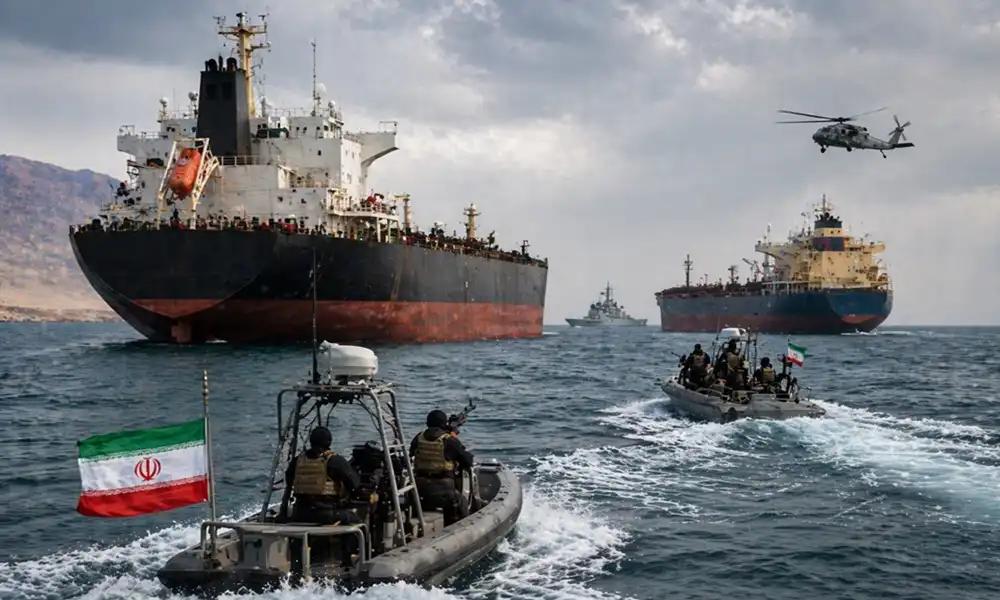
U.S. Prepares Extended Blockade of Iran’s Ports and Strait of Hormuz, Pentagon Estimates $25 Billion
14 sources compared
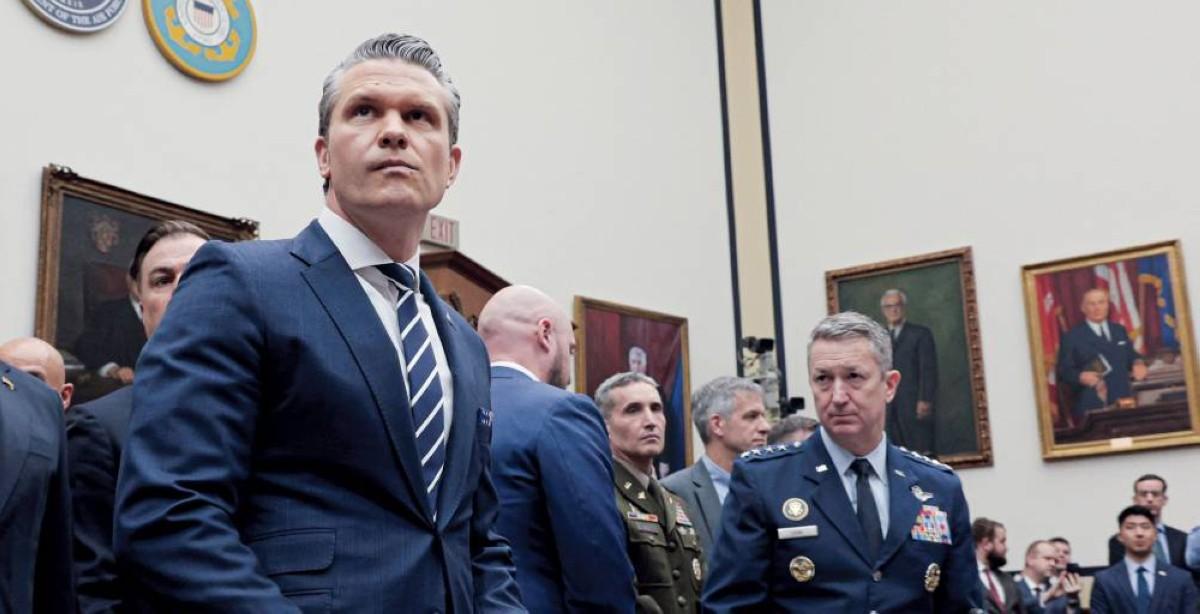
Donald Trump Posts AI Image With Rifle, Threatens Iran With “No More Mr. Nice Guy”
13 sources compared
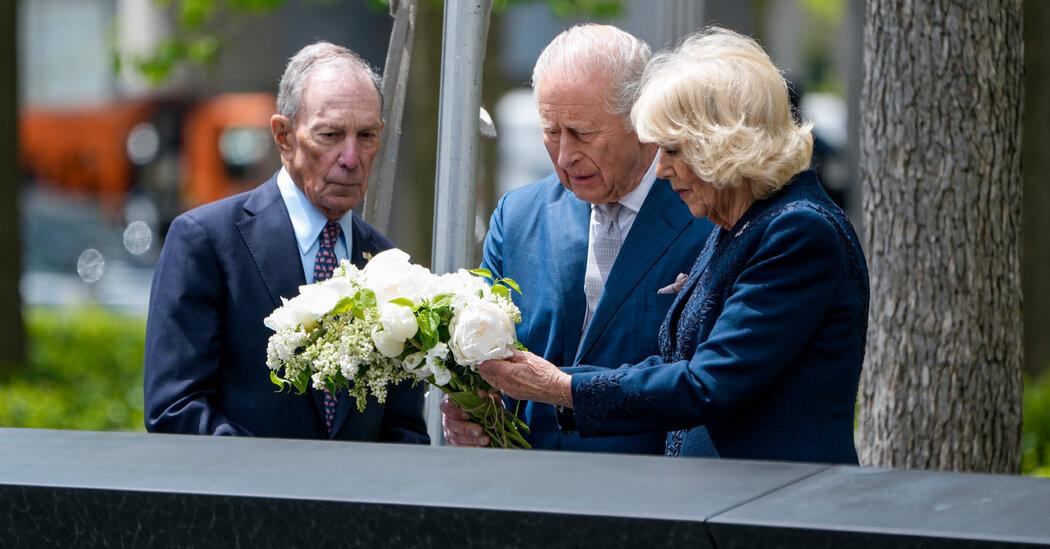
King Charles III And Queen Camilla Visit New York 9/11 Memorial Ahead Of 25th Anniversary
14 sources compared

King Charles III Urges U.S. Congress To Defend Checks On Executive Power
27 sources compared