Iran24 May, 20263 min read
Trump Tells Republicans 'Don’t Listen to the Losers' Over Iran 60-Day Ceasefire Deal
Senior Republican hawks criticize a proposed 60-day Iran ceasefire as a disaster. Trump urged Republicans not to listen to critics of the Iran ceasefire deal.
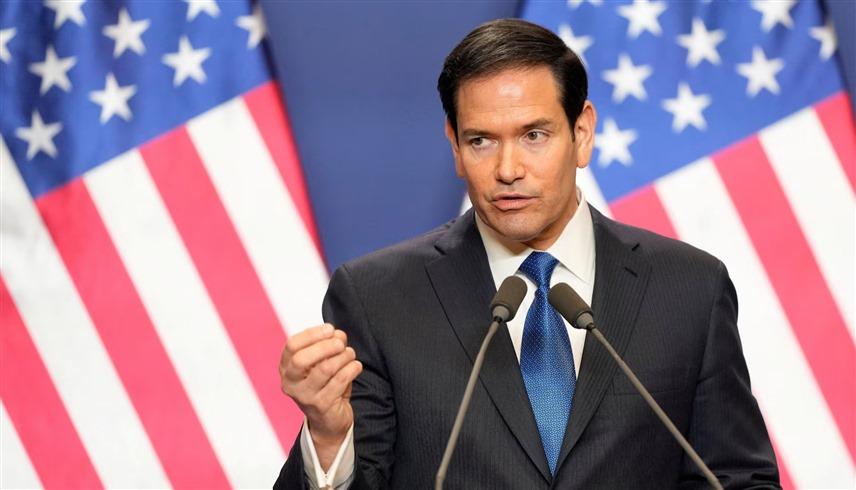
Ceasefire Deal Sparks Rift
President Donald Trump said a tentative U.S.–Iran ceasefire framework is nearing completion, with lawmakers and defense-oriented Republicans warning that the reported terms would leave Iran with leverage over the Strait of Hormuz and continued nuclear capability.
Sen. Ted Cruz, R-Texas, argued that if the outcome is “an Iranian regime — still run by Islamists who chant ‘death to America’ — now receiving billions of dollars, being able to enrich uranium & develop nuclear weapons, and having effective control over the Strait of Hormuz,” then it would be “a disastrous mistake,” according to his post on X.
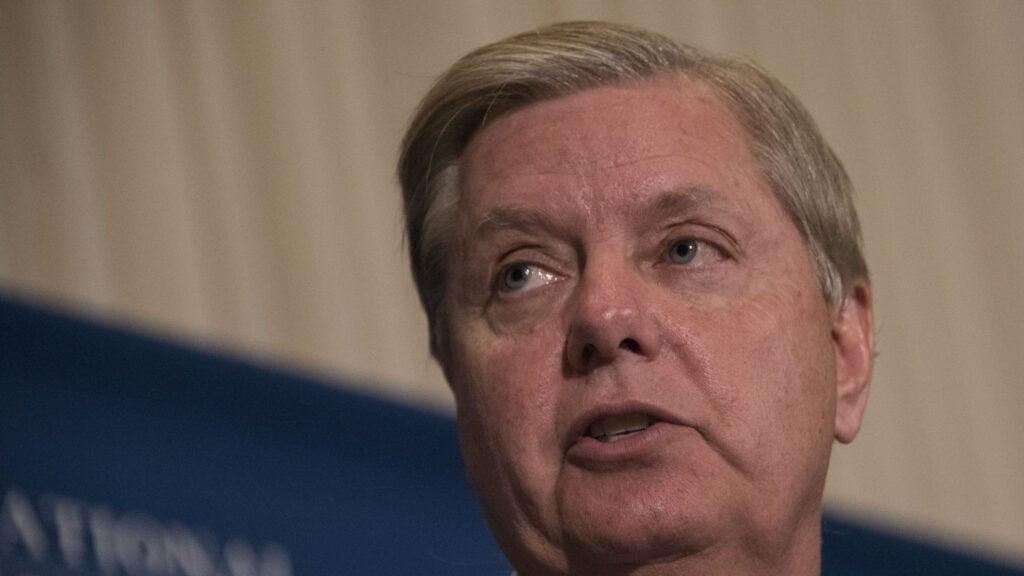
Sen. Roger Wicker, R-Miss., questioned the merit of a proposed 60-day ceasefire, saying it would be a “disaster,” and warning that “Everything accomplished by Operation Epic Fury would be for naught!”
Trump dismissed objections, saying the deal was not “even fully negotiated yet,” and telling critics: “So don’t listen to the losers, who are critical about something they know nothing about.”
Under the proposal described by regional officials to The Associated Press, the war would come to an end and Iran would reopen the strait and give up its stockpile of highly enriched uranium, with details and timelines to be worked out during a later 60-day window.
Strait of Hormuz Dispute
Iranian officials acknowledged talks and suggested major sticking points could prevent a final deal, while the Fars news agency reported that Trump’s remarks about the Strait of Hormuz were “inconsistent with reality.”
Fars said the agreement would allow Iran to manage the Strait of Hormuz, through which 20 percent of the world’s oil supply flows, and it added that Iran would allow the number of ships passing through the Strait to return to “pre-war” levels without “in any way mean ‘free passage’.”
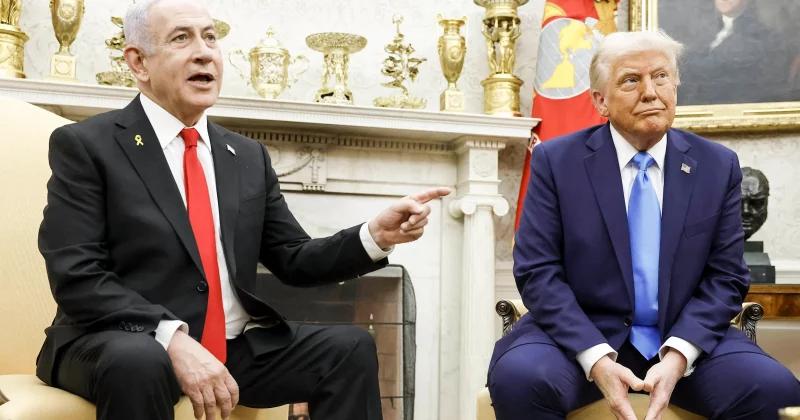
Trump said the deal would lead to the Strait of Hormuz being opened, but did not mention Iranian management of the waterway, and the reporting tied the dispute to U.S. pressure to relieve high gas prices in the United States.
Sen. Lindsey Graham, R-S.C., warned that if Iran retains the capability to disrupt the Strait of Hormuz and inflict “massive damage to Gulf oil infrastructure,” it would be a “nightmare for Israel,” framing the issue as a shift in the balance of power.
The Hill reported that Iran has made no commitments on its nuclear program as a result of the talks, and that the terms of how shipping traffic will be handled through the Strait are a major sticking point to reaching a final deal.
What’s at Stake Next
As mediators discuss a possible 60-day extension, a senior American official said it is not expected that an American-Iran deal would be signed today because details remain under negotiation, while Israeli Prime Minister Benjamin Netanyahu said he reached with President Donald Trump an understanding that any final agreement must lead to the removal of the nuclear threat. Mohsen Rezaei, the military adviser to Iran's Supreme Leader, said on Sunday that Tehran's management of the Hormuz Strait is a legal right to guarantee national security, and intermediaries said a new proposal would extend the ceasefire for 60 days with gradual reopening of the Hormuz Strait and easing pressure on Iranian ports. The proposed framework described by Financial Times reporting included easing the U.S. blockade on Iranian ports, a limited easing of sanctions, and the gradual release of Iranian assets abroad, while also postponing more sensitive nuclear disputes to a later stage of negotiations.
“Rubio said during his visit to New Delhi, 'There may be news later today and there may not. I hope there will be news.'”
In the same reporting, President Trump’s demand was described as requiring Tehran to hand over about 440 kilograms of enriched uranium to near weapons-use levels and to accept restrictions that prevent it from developing a nuclear weapon, with the nuclear file remaining an obstacle to the talks. Marco Rubio told reporters in New Delhi that there is a “chance” of an agreement, while reiterating the United States’ demand that Iran fully open the Strait of Hormuz and hand over its stockpile of highly enriched uranium, as negotiators work toward a framework that is not yet a final agreement.