
Trump Thanks Gulf States as Iran Fully Opens Strait of Hormuz to Commercial Shipping
Key Takeaways
- Trump thanks Gulf states for their tremendous support amid Hormuz opening.
- Iran says Hormuz remains open until Lebanon ceasefire takes hold.
- Outlets describe a breakthrough in Iran-Gulf dialogue surrounding Hormuz.
Hormuz Opens, Trump Celebrates
Iran’s announcement that the Strait of Hormuz is “completely open” to all vessels after the Lebanon ceasefire triggered a rapid chain of reactions from US President Donald Trump and regional leaders, with multiple outlets tying the maritime shift to the broader Israel-Hezbollah truce.
“Iran announced that the Strait of Hormuz will remain open for commercial vessels until a ceasefire takes hold, in line with the ceasefire in Lebanon”
In a post on X, Iranian Foreign Minister Abbas Araghchi said Tehran had opened the strait to commercial shipping traffic for the remainder of a 10-day cease-fire between Israel and Lebanon, and later said the waterway will remain open throughout the truce period.
Trump welcomed the move while insisting that the US naval blockade would remain in place, telling reporters that “Things are going very well in the Middle East, with Iran,” and adding “We’ll know over a short period of time.”
In a Turning Point USA event, Trump said, “This will be a great and brilliant day for the world,” and thanked Gulf states for their “tremendous” support as Iran fully opened the Strait of Hormuz.
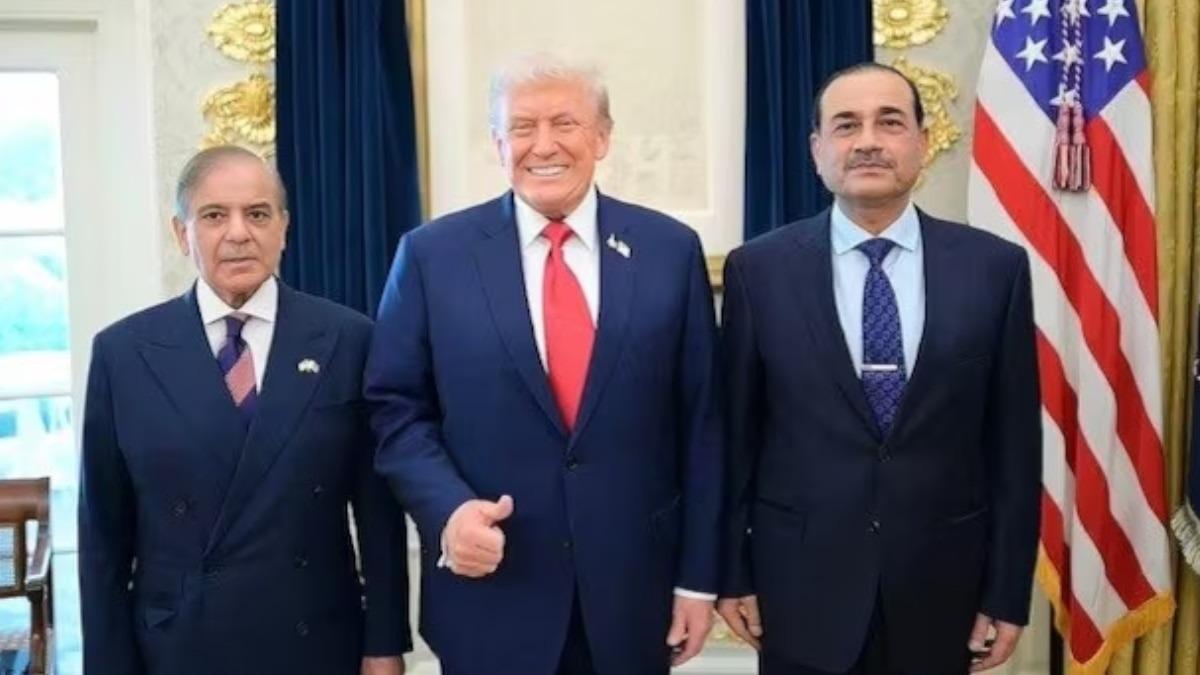
The Express Tribune reported Trump praised Prime Minister Shehbaz Sharif and Chief of Defence Forces (CDF) and Chief of the Army Staff, Field Marshal Asim Munir, after the “breakthrough in Iran's announcement to open the Strait of Hormuz to commercial vessels.”
Al Jazeera’s newsfeed version also framed the day as Trump thanking Gulf states while Iran “fully opens the Strait of Hormuz,” as the Strait became the focal point of the US-Iran confrontation.
Blockade Stays, Talks Continue
Even as Iran moved to reopen the Strait of Hormuz for commercial vessels, Trump’s public line kept the pressure mechanism in place, with outlets describing a continuing US naval blockade aimed at Iranian ports and coastal areas.
ABP News said Trump posted that while the waterway was open, “a US naval blockade would remain in place with “full force and effect as it pertains to Iran only, until such time as our transaction with Iran is 100% complete.”

Radio Free Europe/Radio Liberty reported Trump said the blockade of Iranian ports had been “very successful” and that “the blockade is going to remain, and…we’ll have to start dropping bombs again” if a cease-fire is not extended.
The Times reported Trump told reporters that “When the agreement is signed, the blockade ends,” and also described his claim that talks with Iran would continue over the weekend.
The Siasat Daily added that Trump imposed a naval blockade earlier this week after Tehran restricted traffic through the strait, and that he said the blockade would remain until a broader agreement is reached.
In parallel, Radio Free Europe/Radio Liberty described shipping movement through the strait on April 18, with Marine Traffic data showing “LPG carriers and several oil product and chemical tankers moving through Iranian waters south of Larak Island,” even as the US blockade targeted vessels “entering or departing Iranian ports and coastal areas.”
Iran’s Response and Warnings
Iran’s stance, as described by outlets, combined a claim of openness with warnings about what would happen if the US blockade continued.
The Times quoted Iran’s foreign ministry warning that its military will take “necessary measures” if the US naval blockade of its ports continues, with Esmaeil Baqaei telling state TV: “The opening and closing of the Strait of Hormuz, does not take place on internet, it is determined in the field, and our armed forces certainly know how to behave in response to any action by the other side.”
The same report said Baqaei warned, “What they call a naval blockade will definitely be met with an appropriate response from Iran,” and added, “A naval blockade is a violation of the ceasefire and Iran will definitely take the necessary measures.”
Radio Free Europe/Radio Liberty reported Iran’s powerful parliament speaker Mohammad Baqer Qalibaf set up another potential standoff, writing on X that “With the continuation of the blockade, the Strait of Hormuz will not remain open,” and that passage would depend on authorization from Iran.
CBS News described the Strait of Hormuz as “effectively closed to most commercial shipping traffic due to Iran's threats and despite an ongoing U.S. military blockade of Iranian ports,” describing tanker gridlock that kept global oil and gas prices high.
The Siasat Daily said the International Maritime Organization (IMO) was seeking clarity on Iran’s announcement to reopen the Strait of Hormuz amid ongoing security concerns, and reported that US Central Command said more than 10,000 US sailors, marines and airmen were involved in enforcing restrictions on ships attempting to enter or depart Iranian waters.
Voices Beyond Washington and Tehran
While the US and Iran traded claims over the strait, other governments and officials also weighed in on the ceasefire framework and the maritime implications.
CBS News reported that Top Pakistani officials were visiting Iran and other Gulf states and possibly returning to Washington as they raced to orchestrate a new round of U.S.-Iran talks, and it described President Trump voicing optimism that the war would end soon and that the next, still-to-be-scheduled round of talks would yield “amazing” results.
The Times said Sir Keir Starmer and President Macron expanded on their announcement of a mission to protect freedom of navigation in the Strait of Hormuz, calling for “the unconditional, unrestricted, and immediate reopening of the Strait of Hormuz,” and adding that “the right of transit passage without restrictions or tolls is the bedrock of international trade.”
It also reported that they confirmed “support for the vital work of the International Maritime Organisation to ensure the safety of seafarers and vessels,” and said the UK and France would establish an “independent and strictly defensive multinational mission” to protect merchant vessels and conduct mine-clearance operations.
The Siasat Daily quoted Australian Prime Minister Anthony Albanese saying, “This was positive news that we received last night. We hope that it holds, but what we know is that the impact will be long-lasting.”
In the Gulf, CBS News quoted UAE diplomatic advisor Anwar Gargash saying Gulf states view Iran as the “main enemy,” stating, “Iran is the one that attacked the Gulf states with thousands of missiles and drones, and for this reason we do not trust it, and we view it as a primary enemy.”
What Comes Next
The next phase, as described across the reports, hinges on whether the Lebanon ceasefire holds and whether US-Iran negotiations produce a deal that ends the blockade and clarifies maritime safety.
The Siasat Daily said Trump indicated that a second round of direct talks between Washington and Tehran could take place over the weekend, quoting Trump: “The Iranians want to meet,” and “I think a meeting will probably take place over the weekend.”

Radio Free Europe/Radio Liberty said Trump expected developments “over a short period of time” and described his view that “The main thing is that Iran will not have a nuclear weapon,” while also warning that failure to reach a deal could bring renewed military action.
The Times reported Trump said the US blockade would end when a deal is reached, quoting him: “When the agreement is signed, the blockade ends,” and it also said the US Treasury would place further sanctions on Iraqi militia commanders it claims are backed by Iran, with Scott Bessent saying, “We will not allow Iraq’s terrorist militias, backed by Iran, to threaten American lives or interests.”
On the maritime enforcement side, The Siasat Daily said CENTCOM reported “19 vessels turned back” and that “Since commencement of the blockade, 19 ships have complied with direction from US forces to turn around and return to Iran,” while also stating that ships attempting to enter or leave Iranian ports complied with directions to turn around.
CBS News described the Strait of Hormuz as “effectively closed to most commercial shipping traffic” due to threats and gridlock, and it said the tanker situation kept pressure on all parties to find a solution.
More on Iran

Donald Trump Threatens Iran Infrastructure Strike Over Strait Of Hormuz Ceasefire Violations
23 sources compared

Trump Threatens Strikes as Iran Fires on Ships in Strait of Hormuz
11 sources compared
Donald Trump Sends U.S. Delegation to Pakistan for Iran Talks, Threatens Power Plants and Bridges
47 sources compared

Iran Rejects Trump Claims It Will Transfer Enriched Uranium to the United States
21 sources compared