USA05 January, 20262 min read
Trump Threatened Military Strike on Colombia, Then Invited Colombia’s President Gustavo Petro to the White House
Trump publicly threatened possible U.S. military action against Colombia, accusing Petro of narcotrafficking. Petro vowed to take up arms again to defend Colombia if the United States attacked.
56 outlets told this the same way.
Outlets did split on Trump Interrupted by Protesters at San Antonio Rally for Ken Paxton →
Operation sparks regional fallout
A high-stakes sequence of events began after a U.S. military operation in Venezuela reportedly captured President Nicolás Maduro and his wife and transferred them to U.S. custody. The operation prompted broad fallout across the region. In the wake of that operation, President Donald Trump publicly accused Colombian President Gustavo Petro of enabling cocaine production.
“The operation, which the article says involved surprise strikes and the capture of President Nicolás Maduro, reportedly killed dozens (Venezuela said 80 died; Cuba said 32 of its citizens were killed).”
Trump also suggested a U.S. operation in Colombia "sounds good to me" and issued crude personal warnings toward Petro. Multiple outlets reported the Venezuela operation and its human cost. Those reports link the operation to an escalation in rhetoric aimed at Colombia, including Trump's accusation that Petro was "making cocaine and selling it to the United States."

Petro's response to U.S. accusations
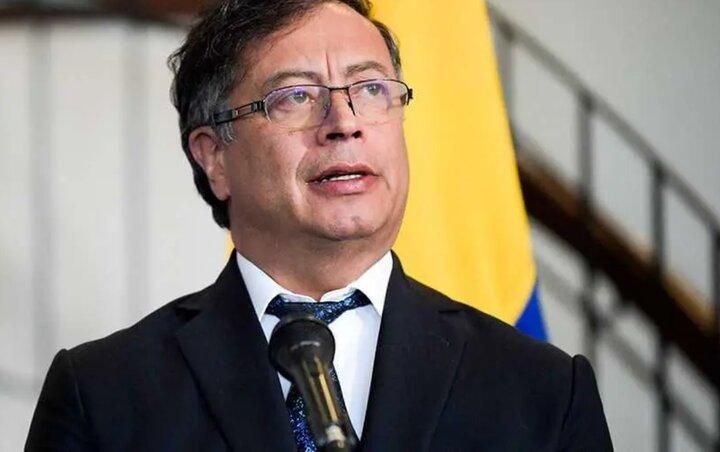
Colombian President Gustavo Petro reacted with alarm and defiance. In repeated posts on X and in public statements, he denied U.S. accusations linking him to narcotrafficking and called American threats illegitimate. He warned he would "take up arms" to defend Colombia if the United States carried out violent intervention, a phrase widely quoted by both mainstream and regional outlets.
Domestically, Colombia deployed troops to the Venezuelan border. Petro framed U.S. threats as an assault on Latin American sovereignty while also pointing to his administration’s counternarcotics measures.

White House tone shift
Despite earlier threats and harsh public language, several U.S. outlets reported an abrupt change in tone from the White House. Trump told reporters or posted that he had a "friendly phone call" with Petro, that Petro had explained disagreements over drugs, and that he invited Petro to the White House.
“President Trump unexpectedly softened his tone toward Colombian President Gustavo Petro Wednesday, saying they had a friendly phone call, that Petro had explained disagreements over drugs, and that Trump invited him to the White House.”
Local U.S. outlets and wire services noted the shift even as sanctions and other punitive measures remain on the record. The reversal drew attention because it followed public sanctions, visa revocations, and the designation of Colombia as insufficiently cooperative on counternarcotics earlier in the same period.
Regional and media reactions
Regional and international responses were mixed and, in many cases, sharply critical. Latin American leaders, legal experts, and multilateral organizations warned that threats of force would violate sovereignty and international law. They also cautioned that such threats could provoke broader instability.
Mainstream European outlets and West Asian media similarly documented diplomatic backlash. Alternative and tabloid outlets emphasized the spectacle and the potential for U.S. expansionism. Some U.S. sources framed the actions as part of a strategic anti-narcotics or resource-security agenda, producing competing narratives about motives and legality.
