USA12 November, 20252 min read
Trump Threatens $1bn Lawsuit Against BBC Over Misleading Edit of His Jan 6 Speech
Trump's lawyers demanded $1 billion and a public retraction over a Panorama edit Panorama spliced Trump’s January 6 remarks, creating misleading 'fight like hell' juxtaposition; BBC apologized
32 outlets told this the same way.
Outlets did split on Trump Interrupted by Protesters at San Antonio Rally for Ken Paxton →
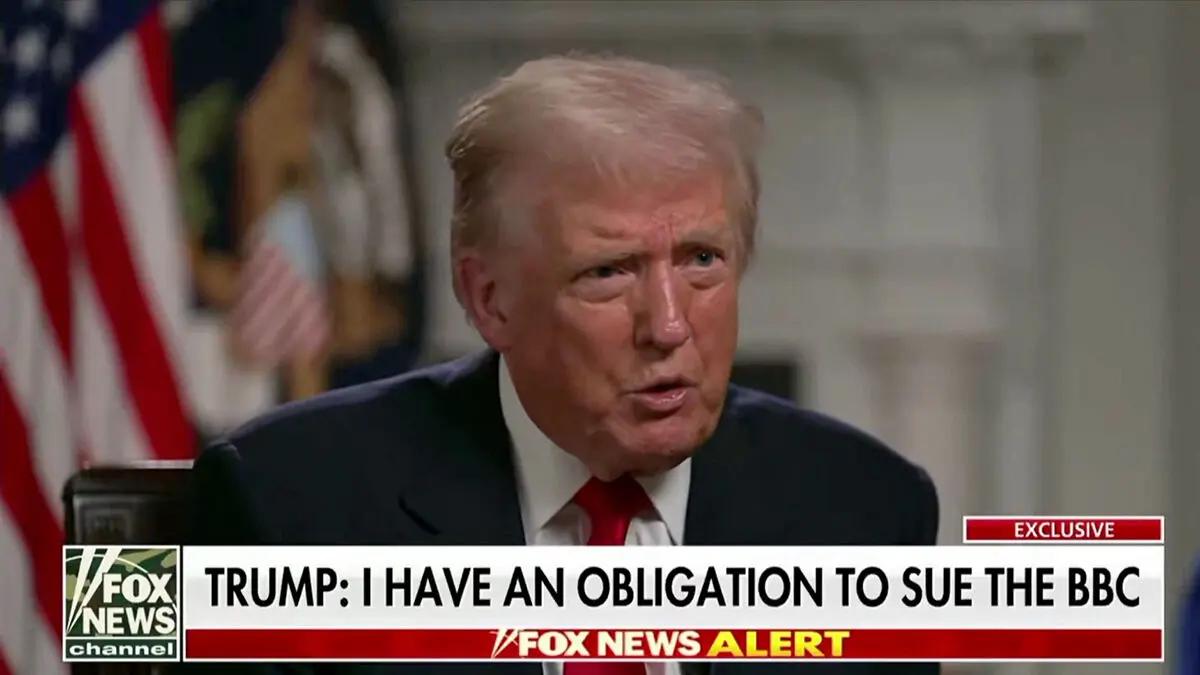
Trump threatens BBC lawsuit
Former President Donald Trump has threatened to sue the BBC for up to $1 billion, accusing its Panorama programme of deceptively editing portions of his January 6, 2021 speech to give the impression he urged violence. The BBC acknowledged the contested edit, apologised and said it will review legal correspondence after two senior executives — director‑general Tim Davie and head of news Deborah Turness — resigned amid the row.
“Former President Donald Trump has threatened to sue the BBC for up to $1 billion over a Panorama episode he says contained ‘false, defamatory, disparaging and inflammatory’ edits that made it appear he encouraged the January 6 riot.”
Trump's lawyers sent a formal demand for a retraction, apology and damages and set a deadline for the broadcaster to respond. The allegation and the BBC's response have fuelled a high‑profile dispute over editorial standards days before and after the U.S. election coverage and the Panorama broadcast's removal from BBC platforms.


Trump defamation challenges
Legal commentators say Trump would face significant hurdles if he pursues a U.S. defamation case because, as a public figure, he would likely have to prove falsity, actual malice and measurable harm.
There are also complex jurisdiction and limitation issues because the Panorama episode was broadcast in the UK and BBC iPlayer is not generally available in the U.S.
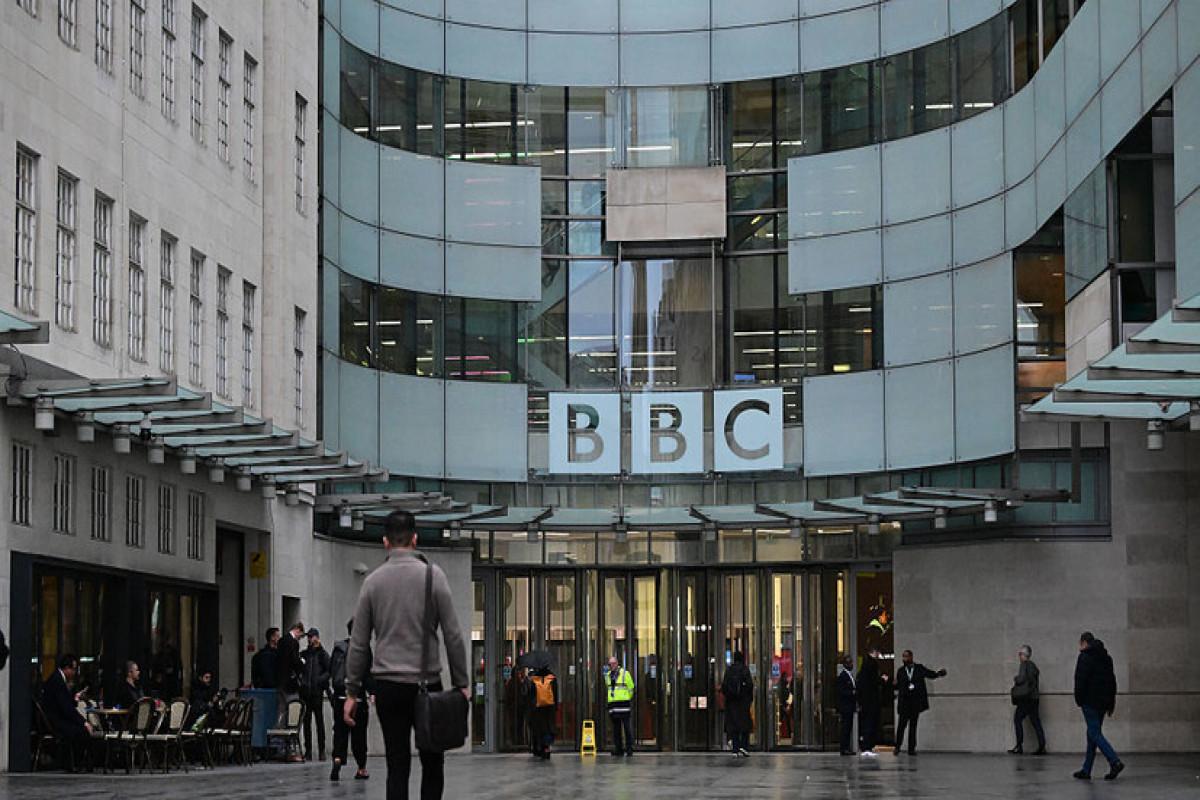
Some experts note that bringing a claim in the UK would avoid U.S. First Amendment barriers but is largely impractical because English defamation claims usually must be brought within one year of publication and UK awards are far smaller than U.S. headline figures.
Panorama editing dispute
The central factual dispute concerns how the Panorama episode assembled footage of Trump's Jan. 6 remarks.
“A BBC Panorama episode edited together clips from Donald Trump’s Jan. 6, 2021 speech in a way that made it appear he immediately said ‘We’re gonna walk down to the Capitol and I’ll be with you’ followed by ‘We fight, we fight like hell…,’ when those lines actually occurred about 15 and 54 minutes into the speech, respectively.”
Multiple sources report that producers spliced together lines spoken many minutes apart so the clip implied he immediately followed a call to 'walk down to the Capitol' with 'we fight like hell.'
The BBC called the splice an 'error of judgement' and said it should have signalled the edit visually, while critics point to a leaked internal memo and former advisers who said the montage was misleading.
BBC episode political fallout
The episode produced political reverberations in the UK and beyond. It fed internal BBC turmoil and prompted parliamentary attention and public debate about impartiality ahead of the corporation's charter renewal. In the U.S., the White House reportedly denounced the broadcaster as "fake news."
Public reaction has been mixed, with YouGov polling cited by some outlets finding a majority wanted an apology. Campaigns and petitions have formed both opposing and supporting the BBC. In other regions, the story has been linked to local politics and market reactions, with some outlets reporting unexpected international responses.
Media litigation and governance
Observers place Trump’s threat in a wider pattern: he has repeatedly used litigation threats against media organisations, and commentators say large headline damages figures often function as opening bids or political messaging as much as compensatory claims. Some analysts warn such actions can pressure news organisations even when legal success is unlikely, while others argue the legal and jurisdictional obstacles make a billion-dollar award implausible. The dispute has therefore become both a legal question and a broader debate about media standards, political pressure and the governance of public broadcasters.
“Former President Donald Trump has threatened to sue the BBC for at least $1 billion after its Panorama documentary ... The controversy has intensified scrutiny of the corporation’s editorial standards and governance ahead of its 2027 Royal Charter renewal.”