Iran-Israel02 February, 20262 min read
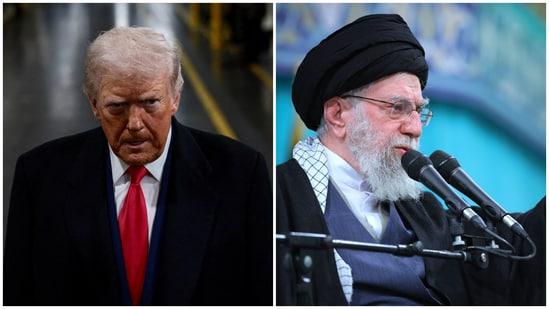
Trump Threatens 'Bad Things' While U.S. Pursues Nuclear Talks With Iran in Istanbul
U.S. envoy Steve Witkoff and Iran's Abbas Araghchi scheduled nuclear talks in Istanbul Feb. 6 Trump warned of military consequences if nuclear negotiations with Iran fail

13 outlets told this the same way.
Outlets did split on U.S. Intercepts Iran Message Activating Sleeper Cells After U.S.-Israel Strike Kills Khamenei →
Potential U.S.-Iran meeting
U.S. officials pursued parallel tracks of pressure and diplomacy this week.
“Sources told Axios that Trump administration special envoy Steve Witkoff and Iranian Foreign Minister Abbas Araghchi are expected to meet, though a source cautioned nothing is final.”
Reports circulated that a meeting in Istanbul or nearby Ankara between Iran's Foreign Minister Abbas Araghchi and Trump administration special envoy Steve Witkoff was being arranged.

Reuters and Axios were cited in Israeli and regional outlets saying the two envoys were expected to meet, though multiple sources cautioned nothing was final.
U.S. President Donald Trump publicly said talks were ongoing while noting military forces were moving into the region.
The prospect of a brief, high-level U.S.-Iran contact comes amid regional actors such as Turkey, Egypt, Qatar and others reportedly helping to convene or mediate the discussions.
Details remained fluid.
U.S.-Iran diplomacy and threats
At the same time, President Trump paired offers of diplomacy with repeated military warnings, saying U.S. assets were headed to the region and signaling potential punitive action if negotiations failed. Israeli reporting quoted Trump saying "We have ships heading to Iran right now ... and we have talks going on with Iran," while other outlets described the U.S. approach as a mix of threats and an unspecified deadline for a deal. Iranian leaders and IRGC-linked outlets responded with stark military rhetoric, increasing the risk calculus for any strike or failed diplomacy.
Iran's dual diplomatic messaging
Iran publicly signaled conditional openness to talks while insisting on core demands and issuing deterrent warnings. Iranian officials and outlets repeatedly framed diplomacy as acceptable only on Iranian terms — with respect, removal of immediate military pressure, and sanctions relief that Tehran called fundamental and non‑negotiable.
“An Iranian diplomat told the Washington Post Tehran is open to ‘respectful’ negotiations but will not begin talks while under American military pressure, calling Trump’s conditions ‘unrealistic and unnegotiable.’”
At the same time, IRGC-linked Tasnim and senior military figures issued combative language, including a major‑general’s warning that "no American would be safe," and lawmakers labeled Iran’s nuclear and missile capabilities as red lines. That dual messaging — an offer of talks alongside firm red lines and military rhetoric — complicates any quick bridge between the sides.
Iran nuclear damage and unrest
Analysts and imagery assessments offer differing takes on Iran’s damaged nuclear infrastructure and wider deterrent posture. Satellite imagery reported in The Straits Times and The Guardian shows limited repair work at Isfahan and Natanz, with new roofing on some destroyed buildings but not broad reconstruction. Think‑tank observers note construction at tunnel entrances that could reflect hardening or asset movement.
Coverage warns that even limited strikes or pressure risk reigniting domestic unrest in Iran, where protests and a harsh crackdown have been reported. Those domestic dynamics reshape Tehran’s external signaling and vulnerability to external coercion.

Regional mediation and tensions
Regional diplomacy and mediation efforts are prominent but uncertain. Several outlets list Qatar, Egypt, Turkey, Oman and Saudi figures as potential participants or facilitators, and some reports say senior U.S. advisers and regional officials might attend. Multiple accounts note backtracking and ambiguity in Iranian state outlets about whether formal orders to return to talks were issued.
“Senior officials from Qatar, Egypt, Saudi Arabia, Oman and Turkey are reported likely to join, and Jared Kushner is said to be attending.”
Analysts warn that public threats from both Washington and Tehran raise the costs of miscalculation. Coverage across Israeli, West Asian and Western outlets converges on a tense, unresolved standoff where both hard power and limited diplomacy are being tested.