India05 January, 20262 min read
Trump Threatens Higher Tariffs on India Over Russian Oil Purchases
This article is an automated aggregation of coverage from news outlets. Our editorials offer in-depth analysis curated by the NewsCord team.
Trump warned he would impose higher tariffs if India continues importing Russian oil. Trump said Prime Minister Modi knew of his displeasure over India's Russian oil purchases.
8 outlets told this the same way.
Outlets did split on Three Indians Rescued From MV Royad Mammadov Attack Depart Romania For India →
Trump warns India on trade
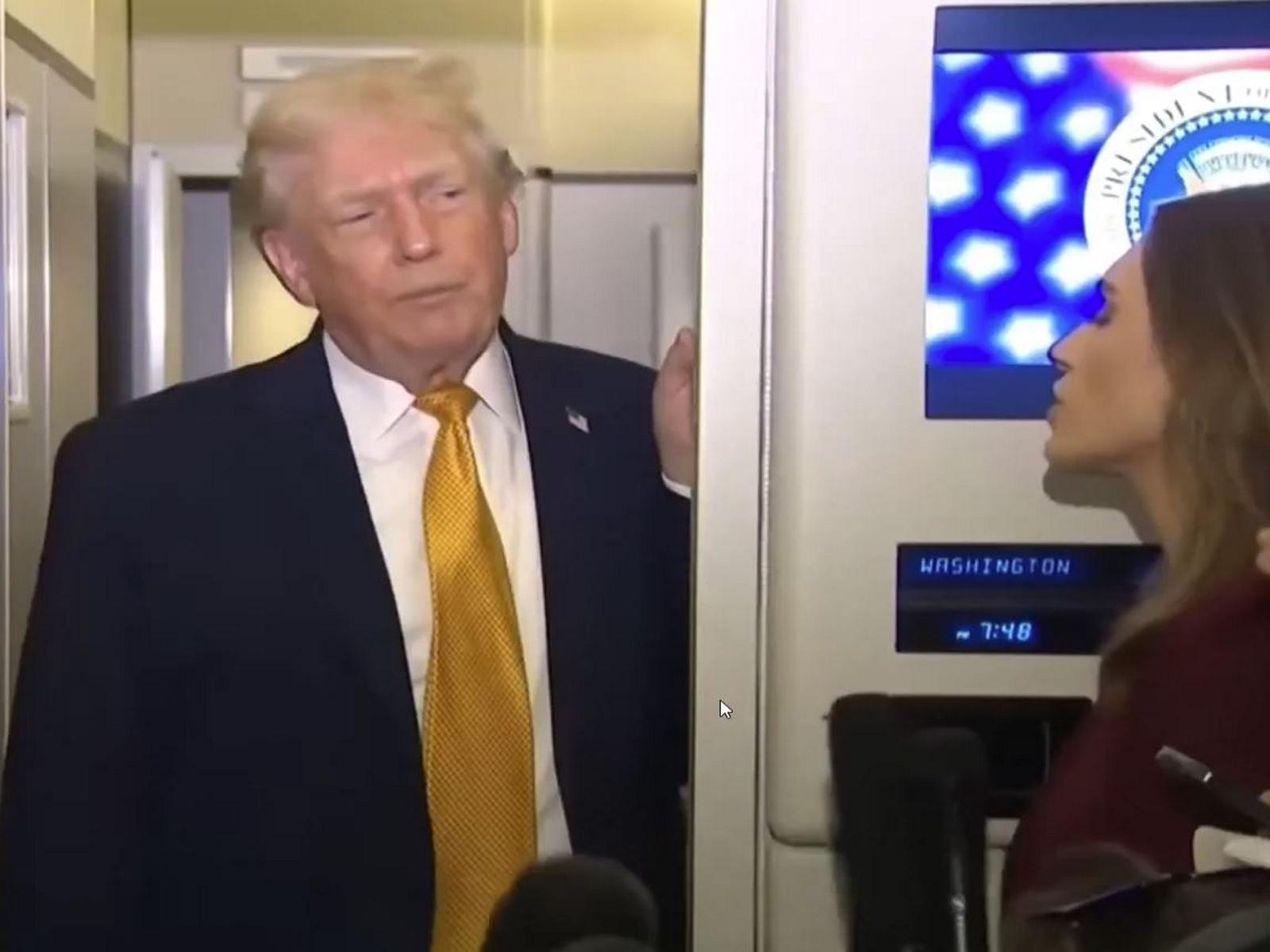
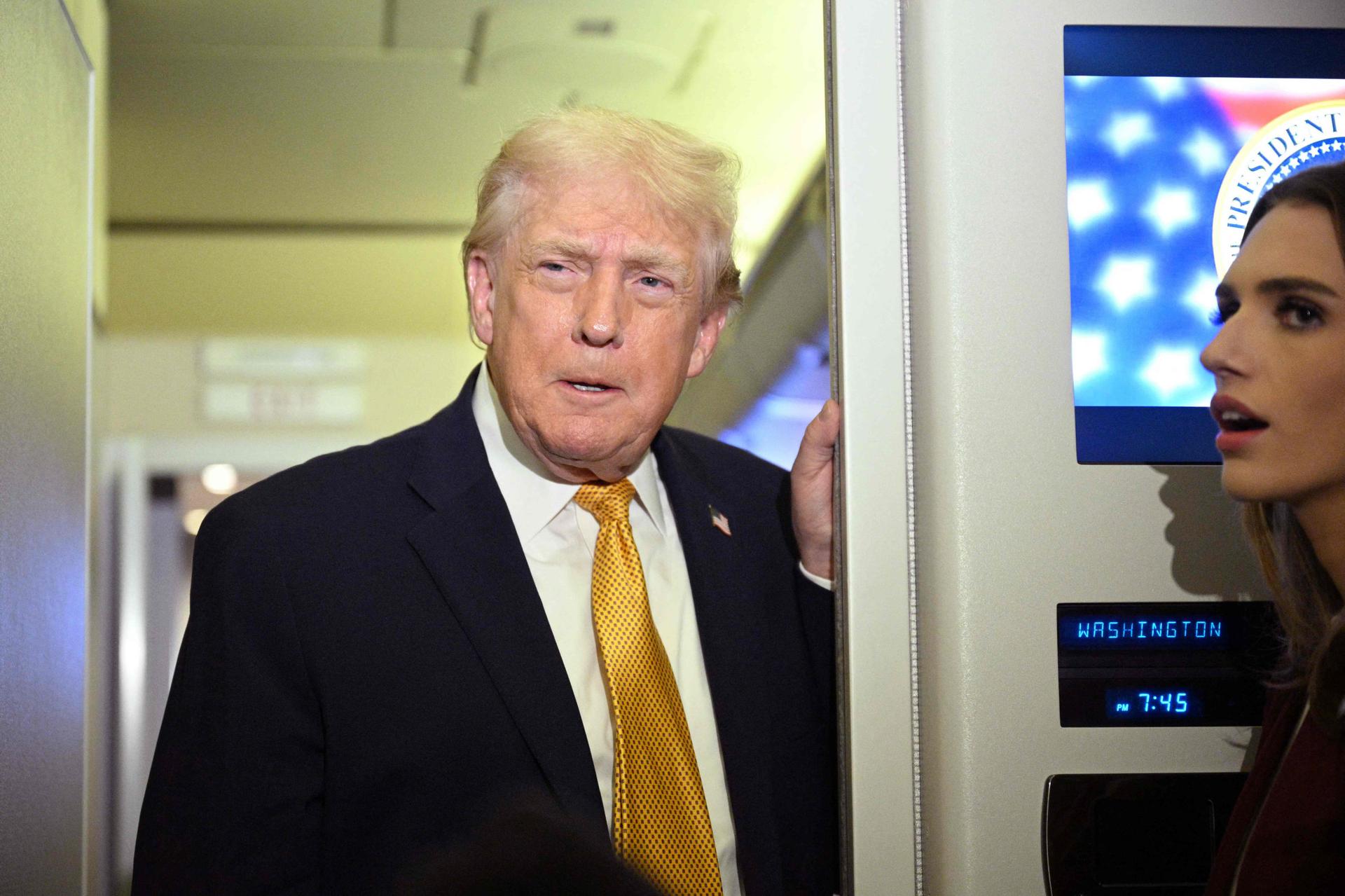
Former President Donald Trump warned he could quickly raise tariffs on India, tying trade pressure to New Delhi's energy purchases from Russia and framing the issue in personal terms. Reports quote Trump saying it was important to 'make me happy' and that Modi 'knows Trump is displeased,' even as he also called Prime Minister Narendra Modi 'a very good man.' The warning arrived amid renewed U.S.–India engagement, including a recent phone call between Trump and Modi and new bilateral trade talks aimed at resolving long-standing trade deadlocks.
“Former President Donald Trump warned he could quickly raise tariffs on India, saying trade concessions mattered to him, amid renewed US concern over global energy and trade.”
U.S.-India oil tensions
U.S. officials and commentators tied potential tariff escalation to India's purchases of discounted Russian crude. Washington is pressing New Delhi to curb those imports as part of broader energy and trade leverage.
Some reports say the U.S. has already taken punitive tariff steps, with Deccan Chronicle noting a prior 50% tariff imposed in August partly linked to Russian oil imports. Other sources describe ongoing negotiations and requests for greater transparency, such as refiners being asked to report weekly Russian and U.S. crude volumes.
Oil geopolitics and tariffs
The tariff rhetoric is set against a renewed focus on global oil geopolitics. Several sources underline Venezuela's massive proven reserves - over 300 billion barrels - and note that production has plunged to roughly 1 million barrels per day because of U.S. sanctions and long-term underinvestment. These facts are used to illustrate why oil has returned to the center of geopolitics and to explain Washington's heightened attention to who is buying discounted Russian crude amid constrained global supply.
“Venezuela’s vast oil reserves — estimated at over 300 billion barrels (about 17% of the world total) — are highlighted as geopolitically important...”
US-India trade tensions
Observers note that trade negotiations continue even as tariff threats escalate. Officials met and phone calls took place as New Delhi seeks a deal with Washington. Analysts expect India’s Russian crude imports to fall amid that bargaining.
Days before the tariff threat, Trump warned of duties on Indian rice after U.S. farmers complained about dumping. The dispute has opened other trade fronts, underlining how agricultural grievances and energy politics are being fused into the bilateral negotiation dynamic.