Trump Threatens Iran Over Hezbollah as US and Iran Begin Talks in Switzerland
Key Takeaways
- U.S. and Iran begin talks in Switzerland to flesh out interim peace deal.
- Trump warned he would attack Iran if it failed to curb Hezbollah.
- Iran claimed the Strait of Hormuz was closed amid ceasefire violations.
Interim deal meets threats
The United States and Iran began a first round of direct talks in Switzerland after signing an initial agreement to end the war, with President Donald Trump exchanging warnings with Iran's lead negotiator Mohammad Bagher Ghalibaf as talks held in Switzerland.
“Beirut, Lebanon – The memorandum of understanding (MoU) between the United States and Iran leaves no room for doubt, declaring “the immediate and permanent termination of military operations on all fronts, including Lebanon,” between the two countries and their allies”
Trump threatened to attack Iran if it did not restrain the Lebanese armed group Hezbollah, and Ghalibaf dismissed the threat by saying, "No matter how much they talk, it is we who take action."

The initial agreement included a commitment to reach a final deal within 60 days, an end to fighting on "all fronts" including in Lebanon, and the reopening of the Strait of Hormuz, but fighting between Hezbollah and Israeli forces in southern Lebanon and Israeli air strikes continued.
As the talks in Lucerne between the US and Iranian delegations began, Trump posted that Iran "must immediately stop their highly paid PROXIES in Lebanon from causing trouble" and threatened to "hit Iran very hard again" if they did not.
In parallel, the US and Iran dispute Iran's claim that it shut the Strait of Hormuz, with tracking data showing vessels continued to pass through it and four tankers passing through the strait by late afternoon.
Nuclear red line and talks
Iran's President Masoud Pezeshkian drew a nuclear "red line" ahead of crucial talks by declaring that Tehran will never surrender its right to enrich uranium and insisting that uranium enrichment remains a non-negotiable sovereign right.
Pezeshkian offered written guarantees that Iran is not pursuing a nuclear weapon, but he still said, "What is certain is that we will never back down from the right to enrich uranium," according to Iran's state media.
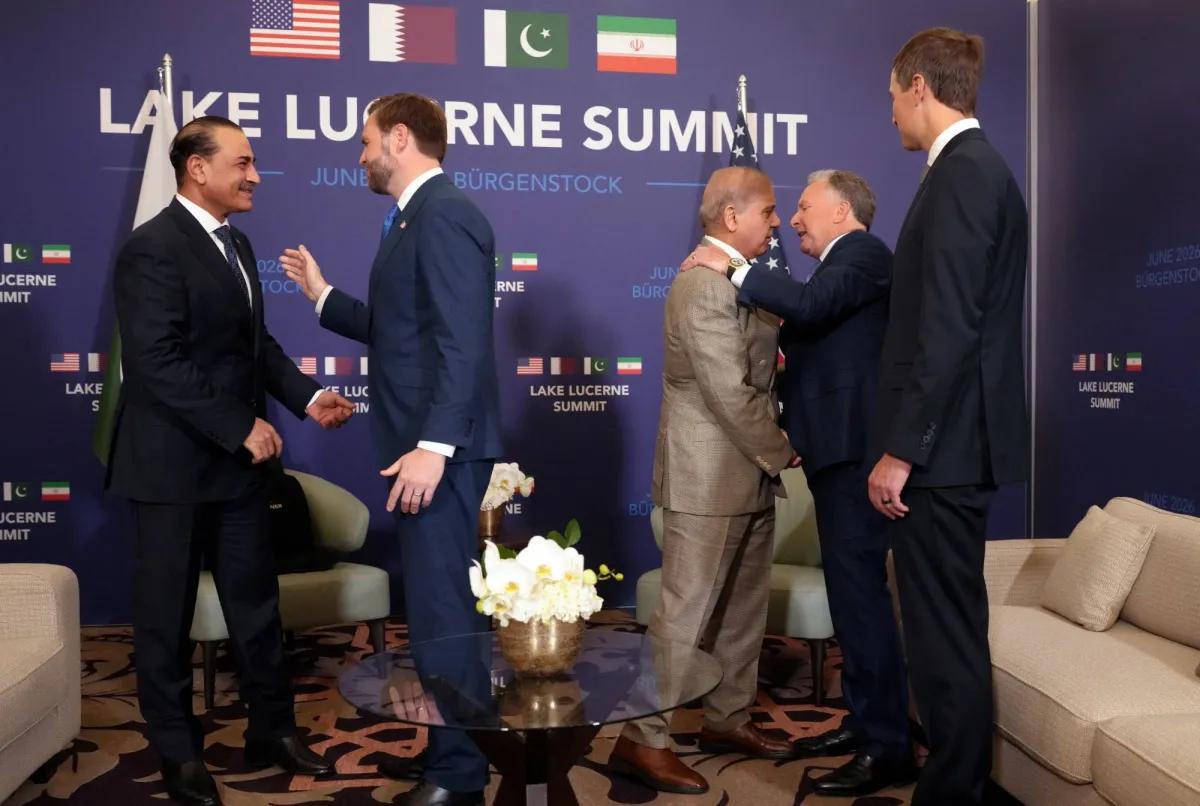
JD Vance arrived in Switzerland on Sunday morning for talks with Iranian officials, meeting representatives from Pakistan including Prime Minister Shehbaz Sharif and Staff Field Marshal Asim Munir, as well as special envoy Steve Witkoff and Jared Kushner.
Vance told reporters he would be in Switzerland "for a day or two" and said he hoped to make progress on the nuclear issue and the Lebanon ceasefire issue, while Iranian Foreign Ministry spokesperson Esmail Baghaei said negotiations toward a final agreement will begin once key commitments are upheld.
The stakes were framed around a 60-day window for a nuclear agreement under the memorandum of understanding, with the issue of Iran's nuclear programme still to be negotiated even as the US agreed to lift a military blockade on ships going to and from Iranian ports.
Lebanon fighting threatens MoU
The MoU's ceasefire language in Lebanon is being tested by continued fighting, with Al Jazeera saying the memorandum of understanding leaves no room for doubt in declaring "the immediate and permanent termination of military operations on all fronts, including Lebanon," between the United States and Iran and their allies.
“US and Iran to talk Sunday in Switzerland as Tehran says it closed Strait of Hormuz again US and Iran to talk Sunday in Switzerland as Tehran says it closed Strait of Hormuz again TYRE, Lebanon (AP) — U”
Al Jazeera also reported that Israel appears to either have not received the memo or to be deliberately ignoring it, with Israeli attacks on Lebanon continuing and the death toll since March 2 reaching more than 4,000.
In the BBC account, Israeli Prime Minister Benjamin Netanyahu insisted that the Israeli military would remain in southern Lebanon for as long as is necessary to protect northern Israel, while Hezbollah leader Naim Qassem rejected any Israeli military presence in southern Lebanon and said Hezbollah would defend itself.
The AP described how Iran said it closed the Strait of Hormuz again because of Israel’s attacks in Lebanon and warned that little might be achieved if fighting doesn’t stop, while the US disputed Iran’s announcement and said Capt. Tim Hawkins warned that "Traffic continues to flow".
With the Strait of Hormuz emerging as a focus and the interim deal meant to stop fighting on all fronts including Lebanon, the sources show the negotiations are proceeding alongside a widening conflict in southern Lebanon that both sides link to the deal’s survival.
More on Iran

Trump Threatens Tehran as JD Vance Meets Mohammad Bagher Qalibaf in Switzerland Talks
18 sources compared

JD Vance Holds US-Iran Talks in Switzerland as Trump Threatens Strikes Over Hormuz
12 sources compared

Iran’s Qalibaf Urges US To Be Cautious After Trump Threats
10 sources compared
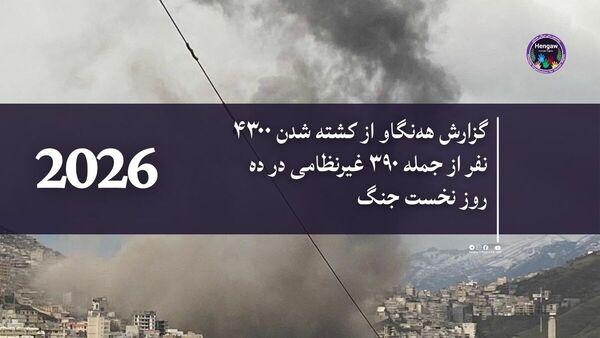
U.S. and Israel Attack Iran, Killing 1,394 Civilians, Human Rights Groups Say
15 sources compared