Iran20 February, 20262 min read
Trump Threatens Limited Military Strike on Iran
President Trump said he is considering limited strikes on Iran to force a nuclear deal. Trump said Iran has ten to fifteen days to reach a deal before possible action.

32 outlets told this the same way.
President Trump weighs Iran strike
President Trump told reporters he is "considering" a limited military strike on Iran to pressure Tehran into a new nuclear deal. He said this would give Iran roughly 10–15 days to reach an agreement while leaving open the possibility that diplomacy could still succeed.
“President Trump told reporters Friday he is ‘considering’ limited military strikes on Iran to pressure its nuclear program and may decide within the next 10–15 days, while leaving open the possibility a deal with Tehran could still be reached.”
Multiple outlets report the administration is weighing initial strikes on Iranian military or government sites and broader options if Iran resists, while White House officials say no final decision has been made. The president's comments came amid parallel talks in Geneva where Iranian officials say they will draft and send a proposal within days.

U.S. naval buildup and options
The administration has repositioned significant military forces in the region. Multiple outlets report a major U.S. naval buildup and reinforcements that officials describe as the largest U.S. presence in the Middle East in decades.
Some reports detail warships moved to the Indian Ocean and carrier strike groups transiting strategic chokepoints. U.S. officials presented a range of options to the president, from a narrowly targeted strike to plans that could expand into a longer campaign if Iran does not comply.

Iran negotiating and deterrence posture
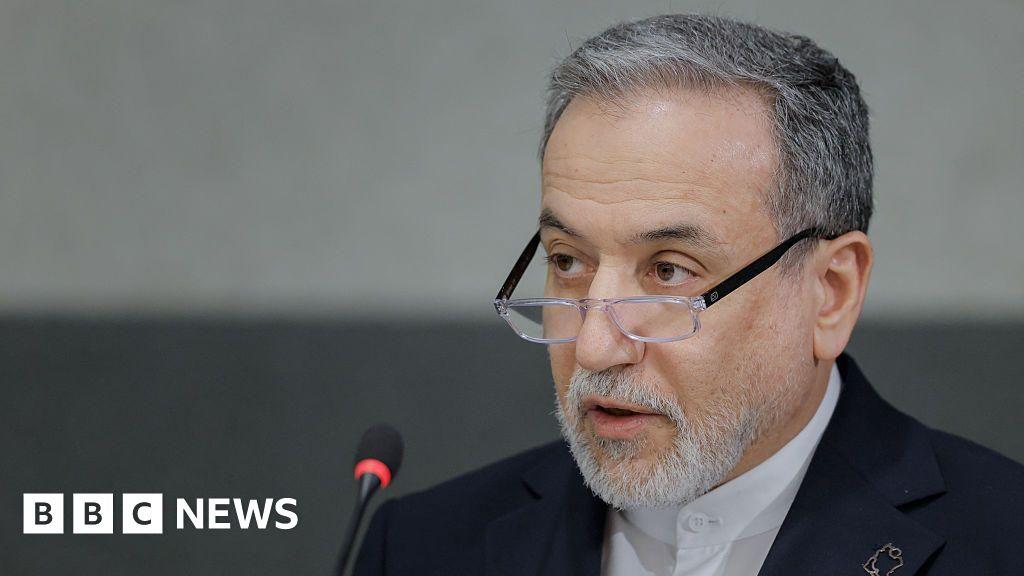
Iran’s negotiating team and political leadership signaled simultaneous willingness to negotiate and readiness to respond to aggression. Iranian deputy negotiator Abbas Araghchi told reporters the country is "prepared for diplomacy" while also saying it is "prepared for war" if talks collapse. Iranian officials said a draft proposal would be ready to send within two to three days.
“Iran’s top diplomat said Tehran expects to have a draft deal to send to Washington within 2–3 days and hopes to begin serious text negotiations in about a week.”
Tehran’s UN envoy and state media warned U.S. bases and assets could be considered legitimate targets if Washington attacked. Reuters satellite reporting, as relayed by regional outlets, shows Iran hardening military and nuclear-linked sites.
Politics and escalation risks
Domestic politics and legal constraints in Washington surfaced in coverage. Democracy Now! and other outlets note that Congress has not authorized war and some members plan a war‑powers vote if strikes are ordered.
BBC and other mainstream pieces warn the president has not articulated clear military objectives and that public deadlines and secrecy complicate accountability. Alternative outlets emphasize the risk of escalation and potential targeting of Iranian leadership if diplomacy fails.
Market reactions to tensions
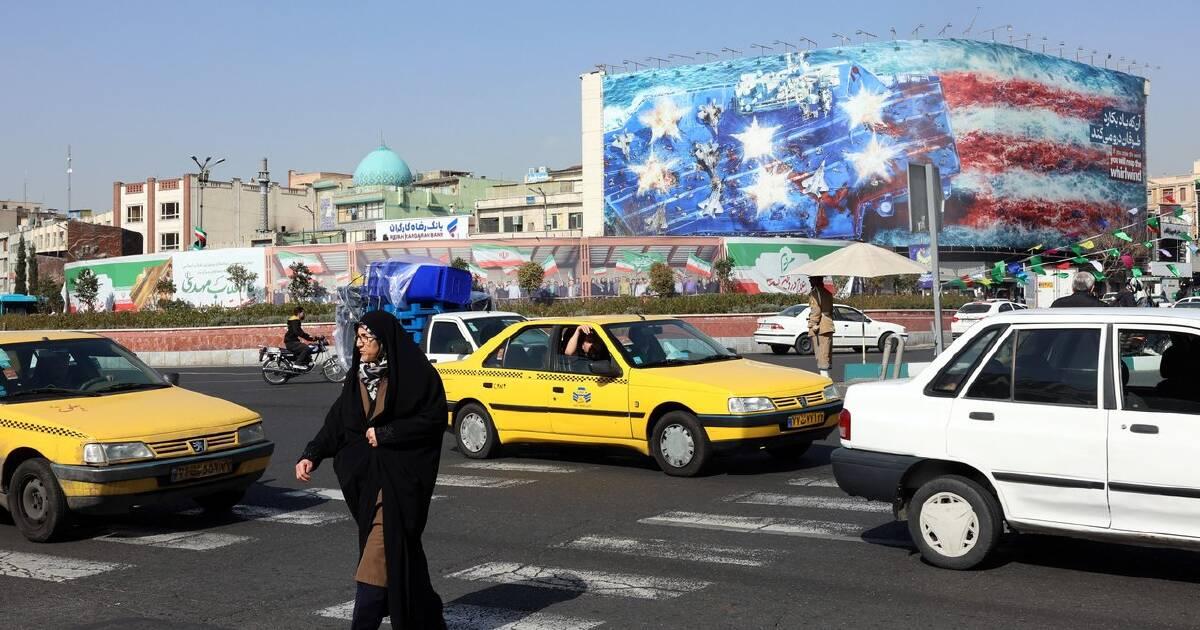
Markets and analysts reacted to the twin signals of diplomacy and military threat. Oil and gold prices moved with geopolitical risk. Crypto observers warned of downside pressure.
“Oil, which had jumped more than 5% earlier in the week on fears of imminent U.S. action, was largely steady Friday: U.S. crude closed at $66.39 a barrel (down $0.04) and Brent at $71.76 (up $0.10).”
Some business coverage noted that markets were already pricing in a range of outcomes. CNBC reported U.S. crude and Brent prices with small intraday changes.
Iran International and Xinhua noted Brent near $70 and movements in the rial and gold. CoinGape flagged crypto weakness tied to renewed geopolitical uncertainty.