Iran-Israel02 January, 20263 min read
Trump Threatens Military Action Against Iran
Trump warned the U.S. was 'locked and loaded' to intervene if Iran used lethal force. Widespread economic protests in Iran turned deadly, with at least seven people killed.

20 outlets told this the same way.
Outlets did split on U.S. Intercepts Iran Message Activating Sleeper Cells After U.S.-Israel Strike Kills Khamenei →
U.S. warning on Iran protests
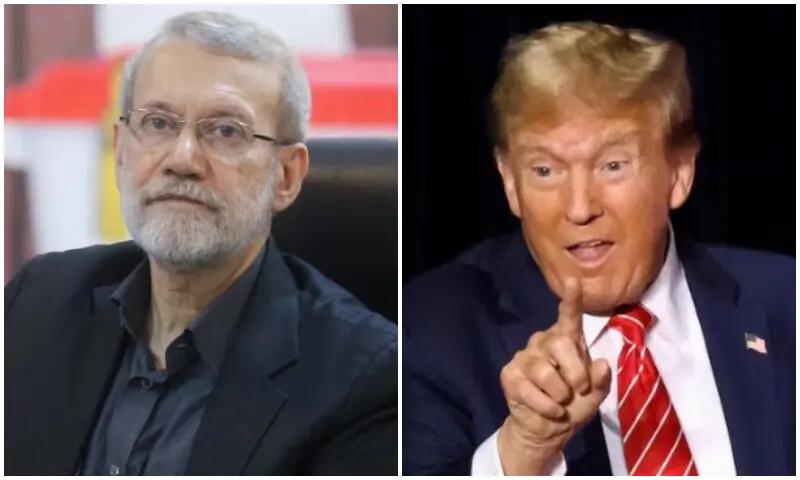
On Jan. 2, 2026, former U.S. President Donald Trump posted on Truth Social that the United States was 'locked and loaded' and prepared to intervene 'if Iran shoots and violently kills peaceful protesters'.
“On 2 January 2026, President Donald Trump warned on Truth Social that the United States is ‘locked and loaded’ and prepared to intervene ‘if Iran shoots and violently kills peaceful protesters,’ saying the U.S. ‘will come to their rescue.’ The White House has not specified what action it might take; the article says Trump's remarks mark a sharp escalation of his administration's ‘maximum pressure’ campaign amid growing unrest across Iran.”
Several outlets described the post as an escalation of U.S. rhetoric amid large anti-government demonstrations in Iran.
Nigeria Info FM reported the message as a sharp escalation of his administration's 'maximum pressure' campaign and noted the White House did not specify what action it might take.
Middle‑east‑online and ایران اینترنشنال similarly recorded Trump's 'locked and loaded' language and highlighted that Tehran condemned the comment.
The immediate U.S. warning added a new international dimension to protests already focused on economic collapse and currency shock inside Iran.
Iranian official responses
Iranian officials and state-affiliated media pushed back, blamed foreign meddling, and warned against intervention. The Daily Jagran reports senior figures, including Ali Larijani and adviser Ali Shamkhani, blamed U.S. and Israeli interference after Trump's comments.
The Arab Weekly records Iranian authorities saying peaceful protests are legitimate but promising a 'decisive response' to violence and noting arrests of alleged foreign-linked agitators by state and semi-official outlets. i24NEWS adds that some senior officials privately described the country as in 'survival mode' and urged measured responses to avoid inflaming public anger, signaling internal caution even as public statements stressed external threats.
Escalation concerns and rhetoric
The Trump warning sharpened international concern about escalation while analysts and journalists highlighted the uncertain boundary between rhetoric and action. ایران اینترنشنال explicitly noted that analysts warned the rhetoric risks broadening the crisis but cautioned that verbal threats do not always lead to military action.
“On 2 January 2026, President Donald Trump warned on Truth Social that the United States is ‘locked and loaded’ and prepared to intervene... The White House has not specified what action it might take; the article says Trump's remarks mark a sharp escalation of his administration's ‘maximum pressure’ campaign amid growing unrest across Iran.”
Nigeria Info FM and middle-east-online recorded the stark language but also pointed out limits, such as the lack of White House detail about what concrete steps, if any, would follow. The Sydney Morning Herald placed the exchange in a broader pattern of rising tensions between Tehran and Washington, saying mutual accusations have increased even as Tehran faces a domestic political and economic emergency.
Media reports on unrest
All outlets stress the domestic drivers and the human cost of the unrest that Trump's comment referenced. They differ over casualty figures and who is responsible. Several reports say multiple people were killed amid clashes: The Daily Jagran, Firstpost and vocal.media cite at least seven deaths and describe clashes, burning vehicles and arrests.
The Sydney Morning Herald reports at least eight deaths and that a Basij member was killed. Moneycontrol and PTC News underscore contested accounts, noting state media said a 21-year-old Basij member died while rights groups and Kurdish monitors said protesters were shot by security forces. Firstpost and The Arab Weekly say President Masoud Pezeshkian acknowledged protesters' legitimate demands and signaled a willingness to negotiate, indicating both repression and outreach are part of Tehran's response.
&w=1920&q=75)
Coverage of rising tensions
Coverage shows ambiguity and risk: Trump's "locked and loaded" message increased international pressure but left concrete action unspecified. Iranian officials publicly blamed foreign actors while some privately urged caution, and casualty counts and reports of security force conduct remain contested. i24NEWS highlights limited government options and contingency planning, ایران اینترنشنال and middle‑east‑online warn that bellicose rhetoric could widen the crisis, and Nigeria Info FM stresses an escalation in tone without clear follow‑through, creating a volatile standoff with unclear next moves.
“Three unnamed sources say senior Iranian officials have privately acknowledged the country is in ‘survival mode’ as widespread protests continue.”