Iran-Israel15 January, 20262 min read
Trump Threatens Military Action, Iran Postpones 800 Executions
President Trump threatened strong U.S. retaliation if Iran executed anti-regime protesters Iran postponed the scheduled execution of protester Erfan Soltani
20 outlets told this the same way.
Outlets did split on U.S. Intercepts Iran Message Activating Sleeper Cells After U.S.-Israel Strike Kills Khamenei →
U.S.-Iran tensions over executions
In mid-January the United States signalled a readiness to use force over Iran's domestic crackdown after reports of planned executions of protesters, but then moved to de-escalate when Western officials said Tehran had postponed those sentences. President Donald Trump said he had been told by "very important sources on the other side" that killings had stopped and executions would not take place.
“US President Donald Trump said he has been assured by ‘very important sources’ in Tehran that lethal force against protesters has stopped and there are no planned executions, and he has for now pulled back from threatened strikes on Iran.”
White House press aides said Iran had postponed roughly 800 scheduled executions after warnings of "grave consequences." U.S. officials also discussed military options and consulted regional partners as tensions rose.
Disputed casualty reports in Iran
The domestic picture in Iran that prompted U.S. warnings is sharply disputed across reporting: rights groups and monitors provide widely differing death tolls, Tehran denies imminent executions and promises fast trials, and state media stress restored control and calm. International monitors and rights-group figures range from around 2,400–3,428 deaths in the snippets here, while some outlets cite verification figures of about 2,615; Iranian officials and the judiciary deny imminent hangings and in at least one high-profile case said a sentence was not in force. The varying casualty figures and Iran’s internet blackout underline how difficult independent verification has been.
U.S. military posture changes
Washington’s military posture shifted visibly. U.S. forces moved personnel and aircraft from regional bases. Al Udeid in Qatar was singled out.
“U.S. forces ordered evacuations from regional air bases by Wednesday evening, including Al Udeid in Qatar — the largest American base in the Middle East housing about 10,000 troops and previously targeted by Iran in June.”
Senior U.S. officials reviewed options while diplomatic channels worked to lower the immediate risk of strikes. Some reports said personnel were being evacuated and bases put on alert.
Other reports later described a partial stand-down as diplomats urged restraint and the Pentagon relaxed heightened alerts at some facilities. Analysts quoted in alternative outlets suggested Washington might also be leveraging the threat of force as a deliberate tactic.
Contested Soltani case
The case of Erfan Soltani illustrates competing accounts: families and activists said he faced imminent hanging and pleaded for international help. Iranian judicial statements and some officials denied a death sentence or said proceedings did not yet warrant execution. Media outlets covering family appeals and activist verification emphasized the human urgency and alleged denials of legal counsel, while mainstream outlets quoting official statements framed Soltani’s situation as not sentenced to death or postponed, producing a contested narrative around a single emblematic case.
Diplomatic pressure on Tehran
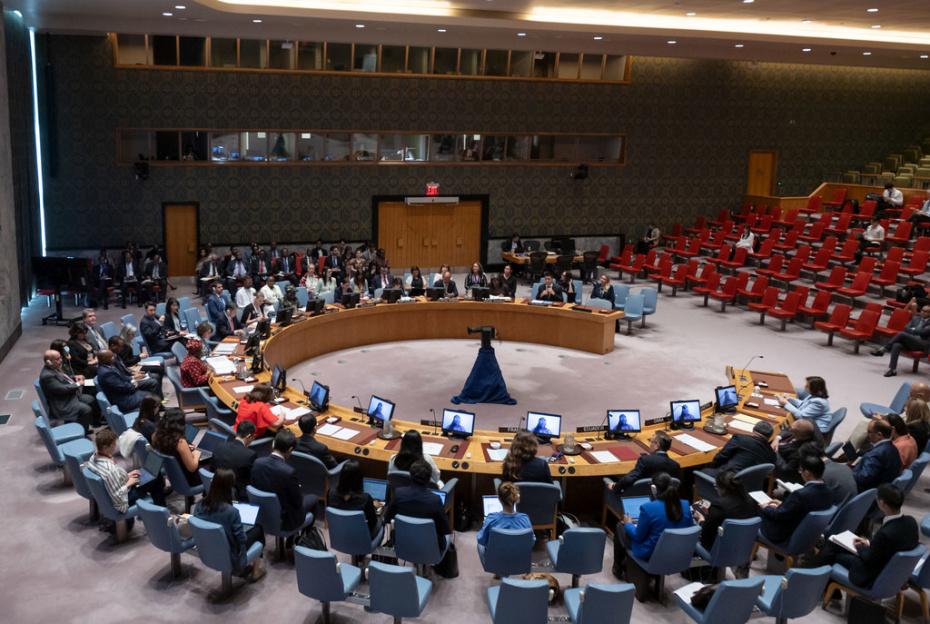
International bodies and regional capitals pushed for de‑escalation while signalling pressure on Tehran. The U.S. asked the UN Security Council for a briefing, G7 ministers warned of additional measures, and regional states reportedly urged Washington to avoid unilateral strikes. Iran accused the U.S. and Israel of fomenting unrest and warned of decisive responses if attacked.
“At the U.S. request, the U.N. Security Council scheduled an emergency meeting for Thursday, and G7 foreign ministers said they stand ready to impose ‘additional restrictive measures’ over Iran’s use of violence, killings of protesters, arbitrary detention and intimidation.”
An ongoing internet blackout and state messaging insisted the capital was calm and authorities were "in full control." The result was a mix of tightening pressure and a cautious rollback of immediate kinetic options.
