Iran-Israel12 January, 20263 min read
Trump Threatens Military Strikes on Iran After Regime Massacres Protesters
This article is an automated aggregation of coverage from news outlets. Our editorials offer in-depth analysis curated by the NewsCord team.
Iranian security forces' crackdown has killed over 500 protesters, activists report President Trump threatened to order military strikes against Iran if killings of protesters continue

8 outlets told this the same way.
Outlets did split on U.S. Intercepts Iran Message Activating Sleeper Cells After U.S.-Israel Strike Kills Khamenei →
Iran protests and responses
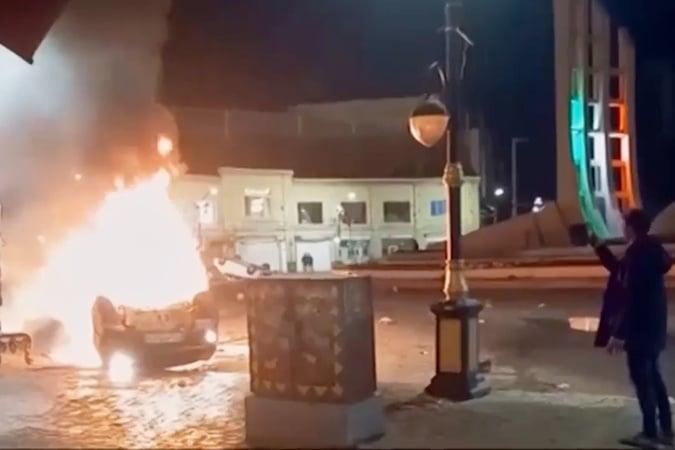
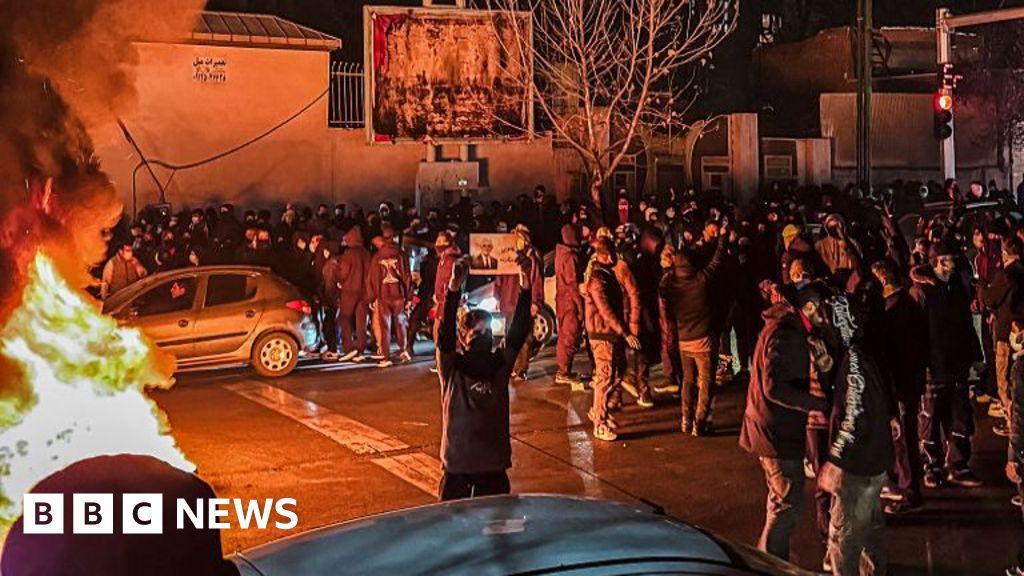
A week of mass protests in Iran has escalated into violent crackdowns, mounting verified deaths, large-scale detentions, and sharp international responses including threats of U.S. military action. The BBC reported intense unrest left 'hundreds dead and thousands detained,' and HRANA verified 495 protesters and 48 security personnel killed and about 10,600 detained over two weeks. The BBC also verified video showing dozens of bodies in morgues.
“Intense unrest in Iran has left hundreds dead and thousands detained. US-based Human Rights Activist News Agency (HRANA) says it has verified 495 protesters and 48 security personnel killed, and about 10,600 detained over the two weeks of protests.”
The Guardian noted U.S. and Israeli planners were weighing strikes but warned that high population density would make targeted air strikes likely to cause heavy civilian casualties. A South Florida reporter described Washington as 'locked and loaded,' and President Trump said the U.S. 'stands ready to help' and could strike 'very, very hard.'

Eyewitness reports during blackout
Independent reporting from inside and outside Iran highlights both vivid eyewitness accounts and severe limits on verification caused by an internet blackout. The Independent relays eyewitnesses saying streets were 'covered in bloodstains' and reports mobile and landline calls down and texts warning 'armed terrorists are out'.
The BBC notes an internet shutdown that has left most international outlets unable to report from inside Iran, while some morgue footage and hospital reports were verified. Sky News Australia adds a practical travel advisory, warning Australians that consular help is 'extremely limited'.
U.S. options and risks
U.S. policymakers are publicly weighing a wide range of responses while critics warn of blowback. Multiple outlets report President Trump has threatened strong action and been briefed on options including cyber attacks and strikes. The BBC cites White House warnings that the U.S. may have to act before a meeting and is looking at some very strong options.
“President Trump said Iranian leaders had called to negotiate but warned the US 'may have to act before a meeting' and was 'looking at some very strong options.'”
The South Florida Reporter describes the administration as 'locked and loaded' and quotes Trump saying the U.S. stands ready to help and could strike very, very hard. By contrast, The Guardian and independent analysts emphasize risks, noting that past strikes—cited as killing more than 1,000 Iranians in June—briefly boosted nationalist sentiment and that strikes could strengthen the regime or otherwise backfire on U.S. aims.
Regional and international reactions
Tehran's response and regional reactions add further complexity: Iranian officials have labeled protesters 'terrorists' and threatened to treat U.S. bases and personnel as 'legitimate targets' if Washington uses force. Parliament Speaker Mohammad Baagher Qalibaf is quoted by the South Florida Reporter warning that U.S. bases and personnel would be treated as 'legitimate targets' if Washington uses force. The Independent and BBC report Tehran accusing those it called 'terrorists' of provoking violence to invite foreign intervention.
The Guardian documents exile figures and activists urging Washington to act and describing continued repression as crimes against humanity. China's foreign ministry, cited by The Independent, stressed opposition to interference and respect for sovereignty, illustrating diverging international lines.
Media coverage of unrest
The reporting landscape shows both convergences and notable omissions: most sources agree on the basic arc—large protests, a deadly crackdown, U.S. threats and Iranian counter-warnings—but they diverge in focus and framing. South Florida Reporter emphasizes a hawkish U.S. posture and severe economic distress, noting the rial at about 1.4 million to $1. The BBC and The Independent focus on casualty tallies and the limits of independent verification.
“The Iranian government has imposed an internet shutdown since Thursday, and most international news organisations cannot report from inside Iran, complicating independent verification.”
The Guardian concentrates on strategic risks and calls from exiles for outside intervention. Sky News highlights travel advisories and the practical fallout for people abroad. Given the internet blackout and inconsistent figures, the exact death toll and sequence of many events remain unclear and unverifiable from the open sources cited.